
GRAP-3 restrictions imposed in Delhi: What’s open, what’s closed as national capital battles 'severe' AQI
The move follows a sharp increase from Monday's AQI of 362, attributed to calm winds and weather conditions that caused pollutants to accumulate.
- Nov 11, 2025,
- Updated Nov 11, 2025 12:55 PM IST
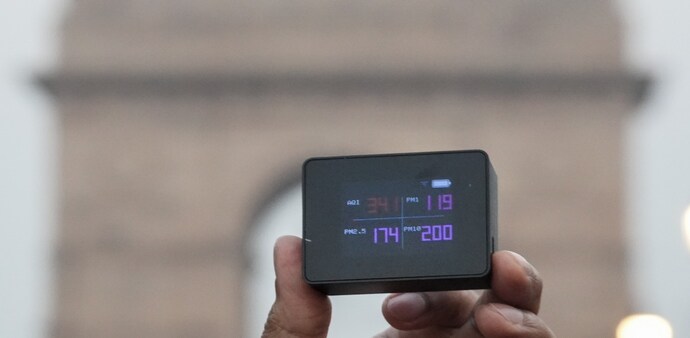
Delhi-NCR has implemented stricter anti-pollution measures after the region's air quality index (AQI) reached the 'severe' category on Tuesday, with an average AQI of 425. Authorities have initiated Stage III of the Graded Response Action Plan (GRAP), introducing additional restrictions to address the ongoing public health concern.
The move follows a sharp increase from Monday's AQI of 362, attributed to calm winds and weather conditions that caused pollutants to accumulate. The new Stage III rules include a comprehensive ban on non-essential construction and demolition activities across Delhi-NCR.
Prohibited work involves earth excavation, piling, laying of sewer and electric lines via open trench systems, and the use of Ready-Mix Concrete (RMC) batching plants. These measures aim to limit dust and particulate matter emissions from major infrastructure projects.
Private sector companies are being advised to implement work-from-home or hybrid working arrangements to decrease the number of vehicles on the road, thereby reducing emissions linked to daily commutes.
Authorities have also imposed restrictions on inter-state diesel buses, preventing them from entering or operating within Delhi. The use of diesel generator sets is now banned, except for emergency and essential service situations. These restrictions are part of a broader initiative to control diesel-related particulate emissions.
Stage III further limits the use of BS-III petrol and BS-IV diesel cars within Delhi and neighbouring NCR districts, with exemptions for persons with disabilities. This action targets older vehicles that contribute disproportionately to air pollution.
Schools up to Class 5 are required to move to hybrid learning modes, allowing parents and students to opt for online education where available. This measure is intended to reduce children's exposure to hazardous air quality.
The Commission for Air Quality Management (CAQM) attributed the sharp AQI increase to unfavourable meteorological conditions, as well as emissions from vehicles, paddy-straw burning, firecrackers, and other local pollution sources typical during winters.
These Stage III curbs, which supplement ongoing measures under earlier GRAP stages, also require the closure of stone crushers and mining activities. Authorities stress that these steps are necessary as meteorological factors continue to hinder air dispersion in the region.
Delhi-NCR has implemented stricter anti-pollution measures after the region's air quality index (AQI) reached the 'severe' category on Tuesday, with an average AQI of 425. Authorities have initiated Stage III of the Graded Response Action Plan (GRAP), introducing additional restrictions to address the ongoing public health concern.
The move follows a sharp increase from Monday's AQI of 362, attributed to calm winds and weather conditions that caused pollutants to accumulate. The new Stage III rules include a comprehensive ban on non-essential construction and demolition activities across Delhi-NCR.
Prohibited work involves earth excavation, piling, laying of sewer and electric lines via open trench systems, and the use of Ready-Mix Concrete (RMC) batching plants. These measures aim to limit dust and particulate matter emissions from major infrastructure projects.
Private sector companies are being advised to implement work-from-home or hybrid working arrangements to decrease the number of vehicles on the road, thereby reducing emissions linked to daily commutes.
Authorities have also imposed restrictions on inter-state diesel buses, preventing them from entering or operating within Delhi. The use of diesel generator sets is now banned, except for emergency and essential service situations. These restrictions are part of a broader initiative to control diesel-related particulate emissions.
Stage III further limits the use of BS-III petrol and BS-IV diesel cars within Delhi and neighbouring NCR districts, with exemptions for persons with disabilities. This action targets older vehicles that contribute disproportionately to air pollution.
Schools up to Class 5 are required to move to hybrid learning modes, allowing parents and students to opt for online education where available. This measure is intended to reduce children's exposure to hazardous air quality.
The Commission for Air Quality Management (CAQM) attributed the sharp AQI increase to unfavourable meteorological conditions, as well as emissions from vehicles, paddy-straw burning, firecrackers, and other local pollution sources typical during winters.
These Stage III curbs, which supplement ongoing measures under earlier GRAP stages, also require the closure of stone crushers and mining activities. Authorities stress that these steps are necessary as meteorological factors continue to hinder air dispersion in the region.