
Gyanvapi mosque: ASI survey not the final one, will decide on next move, say Muslim petitioners
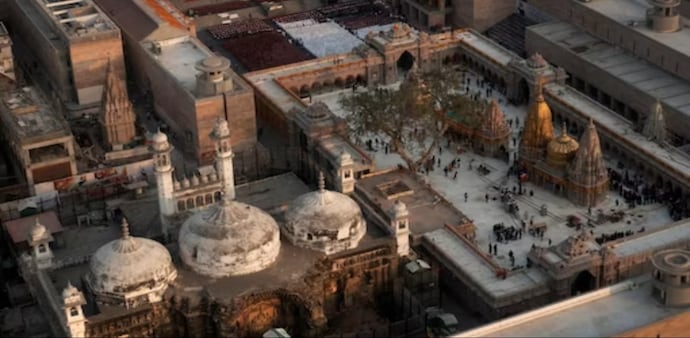
The survey report, submitted in the court in December 2023, said the western wall of the Gyanvapi mosque is the remaining part of a pre-existing Hindu temple. The ASI report said that it can be said there existed a Hindu temple prior to the construction of the existing structure, that is the mosque.
- Jan 27, 2024,
- Updated Jan 27, 2024 11:23 AM IST
A day after the Archaeological Survey of India's (ASI) survey claimed that a large Hindu temple existed before the construction of the Gyanvapi Masjid in Varanasi, the Muslim petitioners in the case said the report is not the final one. They said the team would study the document before deciding on their next move.
The survey report, submitted to the court in December, said the western wall of the Gyanvapi mosque is the remaining part of a pre-existing Hindu temple. The ASI report said that it can be said there existed a Hindu temple prior to the construction of the existing structure, that is the mosque.
The Arabic-Persian inscription found inside a room noted that the mosque was built in the 20th regal year of Aurangzeb (1676-77 CE). Hence, the pre-existing structure appears to have been destroyed in the 17th century, during the reign of Aurangzeb, and part of it was modified and reused in the existing structure.
Following the report was made public on January 25, Hindu petitioners, led by lawyer Vishnu Shankar Jain, said they will approach the Supreme Court for a fresh survey of the sealed area of the mosque which contains a disputed structure, seen as a Shivling by Hindus but a ritual ablution fountain by Muslims.
SM Yasin, Joint Secretary of Anjuman Intezamia Masjid Committee (AIMC) which manages the mosque, said the body will go through the ASI survey report, analyse it, consult experts and then decide on its next move.
“It is our first and foremost responsibility to keep the mosque safe… ASI has given the report as per its reputation. This is a report and not a decision,” Yasin said.
Yasin, denying the facts in report, said: “The Gyanvapi mosque was built 600 years ago by a zamindar (landlord) of Jaunpur. It was renovated by Mughal emperor Akbar during his rule. Then the expansion and renovation of the Gyanvapi mosque was done by Mughal emperor Aurangzeb.”
He added: “Muslims have been offering namaz for about 600 years ago… and will continue to do so in future too.”
“The report contains 839 pages. We will read the ASI survey report. Our team of counsel will study it. Its study and analysis will take time. After analysing all the things discussed in the report, an opinion will be taken from the experts. We will decide our further legal move,” he further said.
On the other hand, Jain, the lead lawyer for four Hindu women petitioners seeking regular worshipping rights inside the mosque, said he will file a petition in Supreme Court seeking an order for an ASI survey in the sealed Wazukhana of the Mosque. The current survey had excluded that section.
“The survey is required to make it clear if the structure is a Shivling or a fountain,” said Jain.
Also read: ASI survey report shows photos of 'shivling', broken statues present inside Gyanvapi Mosque
Also read: Gyanvapi mosque: ASI survey not the final one, will decide on next move, say Muslim petitioners
A day after the Archaeological Survey of India's (ASI) survey claimed that a large Hindu temple existed before the construction of the Gyanvapi Masjid in Varanasi, the Muslim petitioners in the case said the report is not the final one. They said the team would study the document before deciding on their next move.
The survey report, submitted to the court in December, said the western wall of the Gyanvapi mosque is the remaining part of a pre-existing Hindu temple. The ASI report said that it can be said there existed a Hindu temple prior to the construction of the existing structure, that is the mosque.
The Arabic-Persian inscription found inside a room noted that the mosque was built in the 20th regal year of Aurangzeb (1676-77 CE). Hence, the pre-existing structure appears to have been destroyed in the 17th century, during the reign of Aurangzeb, and part of it was modified and reused in the existing structure.
Following the report was made public on January 25, Hindu petitioners, led by lawyer Vishnu Shankar Jain, said they will approach the Supreme Court for a fresh survey of the sealed area of the mosque which contains a disputed structure, seen as a Shivling by Hindus but a ritual ablution fountain by Muslims.
SM Yasin, Joint Secretary of Anjuman Intezamia Masjid Committee (AIMC) which manages the mosque, said the body will go through the ASI survey report, analyse it, consult experts and then decide on its next move.
“It is our first and foremost responsibility to keep the mosque safe… ASI has given the report as per its reputation. This is a report and not a decision,” Yasin said.
Yasin, denying the facts in report, said: “The Gyanvapi mosque was built 600 years ago by a zamindar (landlord) of Jaunpur. It was renovated by Mughal emperor Akbar during his rule. Then the expansion and renovation of the Gyanvapi mosque was done by Mughal emperor Aurangzeb.”
He added: “Muslims have been offering namaz for about 600 years ago… and will continue to do so in future too.”
“The report contains 839 pages. We will read the ASI survey report. Our team of counsel will study it. Its study and analysis will take time. After analysing all the things discussed in the report, an opinion will be taken from the experts. We will decide our further legal move,” he further said.
On the other hand, Jain, the lead lawyer for four Hindu women petitioners seeking regular worshipping rights inside the mosque, said he will file a petition in Supreme Court seeking an order for an ASI survey in the sealed Wazukhana of the Mosque. The current survey had excluded that section.
“The survey is required to make it clear if the structure is a Shivling or a fountain,” said Jain.
Also read: ASI survey report shows photos of 'shivling', broken statues present inside Gyanvapi Mosque
Also read: Gyanvapi mosque: ASI survey not the final one, will decide on next move, say Muslim petitioners