
He topped UPSC, joined IAS, then left for Gita Gopinath's dream: Iqbal Dhaliwal tells the full story...
While Gopinath always wanted to be an economist and later moved to the US for a PhD at Princeton University, Dhaliwal joined the IAS after topping the UPSC Civil Services Examination in 1996
- Jul 4, 2026,
- Updated Jul 4, 2026 9:47 AM IST
Long before Gita Gopinath rose to become one of the world's most influential economists, her husband Iqbal Singh Dhaliwal made a life-changing decision: he resigned from the Indian Administrative Service (IAS) so she could pursue her dream in the United States.
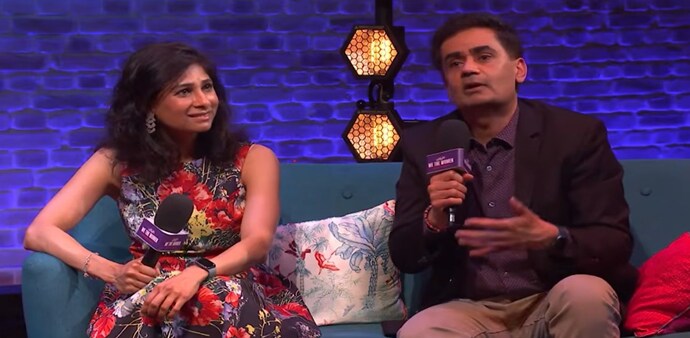
Speaking to Barkha Dutt at the We The Women event in London, Dhaliwal, now Global Executive Director of MIT's Abdul Latif Jameel Poverty Action Lab (J-PAL), recalled why he left the IAS and moved to the US.
"If I look back- this was many, many years ago, I always wanted to be in the IAS," he said.
Growing up, Dhaliwal said, his father wanted him to become an engineer. But after failing to get into the IITs, he joined the Delhi School of Economics. "Failing the IIT was the best thing ever because I met Gita," he said.
The two met as classmates at the Delhi School of Economics. While Gopinath always wanted to be an economist and later moved to the US for a PhD at Princeton University, Dhaliwal joined the IAS after topping the UPSC Civil Services Examination in 1996.
"I joined the IAS, absolutely loved it. I was in the field, implementing development programs, which is the dream for any development economist," he said.
Don't Miss | 'You're in the wrong chair': When Gita Gopinath faced bias as IMF chief economist
"This is the 1990s. Like an STD call or an ISD call, you have to go to a booth. It used to cost Rs 100 for a three-minute call. My entire salary in the IAS at that time was about Rs 7,000...So it was becoming tough," he recalled.
When Gopinath had one year left in her PhD at Princeton, she suggested that Dhaliwal apply for study leave from the IAS and come to the US for further studies.
"In the IAS, they let you come for study leave. So Gita said I have one year left of my PhD at Princeton, you say you want to take a study leave in the US. Why don't you come now? So luckily I was able to get study leave, got into a few schools, and Princeton was one of those, so I came for my master's."
"And then, as fate would have it, my MPA program was two years. Gita had one year left. So she wraps up her PhD and gets into the University of Chicago. This is the 1990s, and Gita starts appearing for interviews for McKinsey to go to McKinsey Bombay," Dhaliwal said.
He, however, felt that Gopinath going back wasn't a great idea as she was "brilliant and could achieve just about everything in life".
"So I said, look, my dream was to always be in the IAS to some extent. I lived that dream already. Her dream is to be in this thing. So let's see where the second dream takes us. And look how right I was," he said. "It has never felt like a sacrifice."
Asked how he would rate Gopinath at home, Dhaliwal responded with humour. "I think she gets a C minus, a D minus in many, many things," he joked, before quickly adding that the things that truly mattered were different.
Recalling advice from a senior IAS officer, he added: "Iqbal, may your troubles be small ones."
"And I just feel that if all my arguments are that you didn't load the glass properly and the spoon properly, but on fundamental things about my son and us, we are in such complete harmony, then who the hell cares."
Despite building a successful career in the United States, Dhaliwal acknowledged that he still misses the IAS. "The truthful answer is yes," he said when asked whether he missed the civil services.
He recalled arriving in Tamil Nadu as a young Sikh officer from Punjab, unable to speak the language, only to be immediately dispatched to handle communal tensions. "The first day, the collector said, there's a riot happening between two communities. Go sort it out," he said.
"There were bonded laborers who were to be released. We released the bonded laborers. When I think about some of the highlights of my life, many of them come from the IAS."
After leaving the service, Dhaliwal worked in consulting before joining the Poverty Action Lab at MIT during its early years, helping build it into a globally influential institution.
Gopinath served as the First Deputy Managing Director of the International Monetary Fund (IMF) from 2022 to 2025. She also served as the fund's Chief Economist from January 2019 to January 2022.
Long before Gita Gopinath rose to become one of the world's most influential economists, her husband Iqbal Singh Dhaliwal made a life-changing decision: he resigned from the Indian Administrative Service (IAS) so she could pursue her dream in the United States.
Speaking to Barkha Dutt at the We The Women event in London, Dhaliwal, now Global Executive Director of MIT's Abdul Latif Jameel Poverty Action Lab (J-PAL), recalled why he left the IAS and moved to the US.
"If I look back- this was many, many years ago, I always wanted to be in the IAS," he said.
Growing up, Dhaliwal said, his father wanted him to become an engineer. But after failing to get into the IITs, he joined the Delhi School of Economics. "Failing the IIT was the best thing ever because I met Gita," he said.
The two met as classmates at the Delhi School of Economics. While Gopinath always wanted to be an economist and later moved to the US for a PhD at Princeton University, Dhaliwal joined the IAS after topping the UPSC Civil Services Examination in 1996.
"I joined the IAS, absolutely loved it. I was in the field, implementing development programs, which is the dream for any development economist," he said.
Don't Miss | 'You're in the wrong chair': When Gita Gopinath faced bias as IMF chief economist
"This is the 1990s. Like an STD call or an ISD call, you have to go to a booth. It used to cost Rs 100 for a three-minute call. My entire salary in the IAS at that time was about Rs 7,000...So it was becoming tough," he recalled.
When Gopinath had one year left in her PhD at Princeton, she suggested that Dhaliwal apply for study leave from the IAS and come to the US for further studies.
"In the IAS, they let you come for study leave. So Gita said I have one year left of my PhD at Princeton, you say you want to take a study leave in the US. Why don't you come now? So luckily I was able to get study leave, got into a few schools, and Princeton was one of those, so I came for my master's."
"And then, as fate would have it, my MPA program was two years. Gita had one year left. So she wraps up her PhD and gets into the University of Chicago. This is the 1990s, and Gita starts appearing for interviews for McKinsey to go to McKinsey Bombay," Dhaliwal said.
He, however, felt that Gopinath going back wasn't a great idea as she was "brilliant and could achieve just about everything in life".
"So I said, look, my dream was to always be in the IAS to some extent. I lived that dream already. Her dream is to be in this thing. So let's see where the second dream takes us. And look how right I was," he said. "It has never felt like a sacrifice."
Asked how he would rate Gopinath at home, Dhaliwal responded with humour. "I think she gets a C minus, a D minus in many, many things," he joked, before quickly adding that the things that truly mattered were different.
Recalling advice from a senior IAS officer, he added: "Iqbal, may your troubles be small ones."
"And I just feel that if all my arguments are that you didn't load the glass properly and the spoon properly, but on fundamental things about my son and us, we are in such complete harmony, then who the hell cares."
Despite building a successful career in the United States, Dhaliwal acknowledged that he still misses the IAS. "The truthful answer is yes," he said when asked whether he missed the civil services.
He recalled arriving in Tamil Nadu as a young Sikh officer from Punjab, unable to speak the language, only to be immediately dispatched to handle communal tensions. "The first day, the collector said, there's a riot happening between two communities. Go sort it out," he said.
"There were bonded laborers who were to be released. We released the bonded laborers. When I think about some of the highlights of my life, many of them come from the IAS."
After leaving the service, Dhaliwal worked in consulting before joining the Poverty Action Lab at MIT during its early years, helping build it into a globally influential institution.
Gopinath served as the First Deputy Managing Director of the International Monetary Fund (IMF) from 2022 to 2025. She also served as the fund's Chief Economist from January 2019 to January 2022.