
Heatwave alert! Delhi-NCR, western India to experience extreme heatwave from May 18: Climate Central report
Heatwave alert! Delhi-NCR, western India to experience extreme heatwave from May 18: Climate Central report
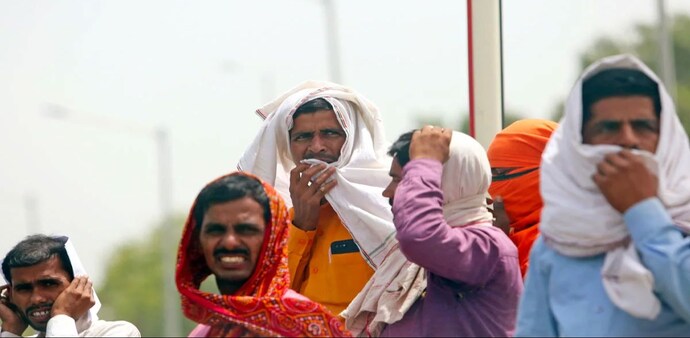
The Met department on Saturday said that extreme heat crippling large parts of northwest India will continue for another five days, with Delhi, Haryana, Punjab, Rajasthan and Uttar Pradesh predicted to bear the maximum impact.
Business Today Desk
- May 18, 2024,
- Updated May 18, 2024 4:34 PM IST
A recent study has stated that western India, including the National Capital Territory of Delhi, will experience a period of intense heat from May 18-20, 2024. The heat wave will include unusually warm night-time temperatures, which can intensify the risk of heat-related illness and death.
US-based Climate Central in its report said in large swathes of the region the thermometer will rise to more than 45 degrees Celsius from May 18-20 and possibly beyond, “intensifying the risk of heat-related illnesses and death. It is mainly due to human-caused climate change that has made this intense heat much more likely, Andrew Pershing, vice president for science at Climate Central, said in the report.
Advertisement
Night-time temperatures are unlikely to fall below 34 degree celcius for the period, making this event “particularly alarming,” Pershing added.
How has climate change influenced this heat?
> The Climate Shift Index (CSI) for May 18-20 shows a large area with average levels at or above 3 across western and northwestern India. This includes the states of Gujarat, Rajasthan, Uttar Pradesh, Haryana, Madhya Pradesh, Maharashtra, Karnataka, and the National Capital Territory of Delhi.
> While western India is expected to be hot, eastern India will be cooler than normal. This leads to conditions in Tamil Nadu that are three times less likely due to climate change (CSI level -3).
> Daily temperatures are expected to reach CSI level 11 in nine cities: Bhopal, Daman, Dispur, Gandhinagar, Imphal, Jaipur, Mumbai, Panaji, Port Blair, Pune, Shillong.
Advertisement
> A CSI level 5 indicates that human-caused climate change made this excessive heat at least five times more likely, signifying an exceptional climate change event.
> Over the entire period, 543 million people in India will experience at least one day with CSI level 3.
The Met department on Saturday said that extreme heat crippling large parts of northwest India will continue for another five days, with Delhi, Haryana, Punjab, Rajasthan and Uttar Pradesh predicted to bear the maximum impact. Swathes of north India stewed in brutal heat on Friday, with maximum temperatures soaring to a scorching 47.4 degrees Celsius in west Delhi's Najafgarh, the highest this season in the country so far.
Advertisement
The Met office also issue a "red" warning for Delhi, Haryana, Punjab and west Rajasthan, stressing the need for "extreme care for vulnerable people".
It issued an orange alert for east Rajasthan, Uttar Pradesh and Bihar and emphasised "high health concern" for vulnerable people, including infants, the elderly and those with chronic diseases.
A heat wave is officially recognized when the maximum temperature at a weather station reaches or exceeds 40 degrees Celsius in plains regions, 37 degrees Celsius along coastal areas, and 30 degrees Celsius in hilly terrains, with a deviation of at least 4.5 degrees from the normal temperature. A severe heat wave is declared if this departure exceeds 6.4 degrees. In April, several regions in east, northeast, and southern peninsular India experienced record-breaking high temperatures. This alarming situation prompted health advisories from government agencies and led some states to suspend in-person school classes as a precautionary measure.
(With PTI inputs)
A recent study has stated that western India, including the National Capital Territory of Delhi, will experience a period of intense heat from May 18-20, 2024. The heat wave will include unusually warm night-time temperatures, which can intensify the risk of heat-related illness and death.
US-based Climate Central in its report said in large swathes of the region the thermometer will rise to more than 45 degrees Celsius from May 18-20 and possibly beyond, “intensifying the risk of heat-related illnesses and death. It is mainly due to human-caused climate change that has made this intense heat much more likely, Andrew Pershing, vice president for science at Climate Central, said in the report.
Advertisement
Night-time temperatures are unlikely to fall below 34 degree celcius for the period, making this event “particularly alarming,” Pershing added.
How has climate change influenced this heat?
> The Climate Shift Index (CSI) for May 18-20 shows a large area with average levels at or above 3 across western and northwestern India. This includes the states of Gujarat, Rajasthan, Uttar Pradesh, Haryana, Madhya Pradesh, Maharashtra, Karnataka, and the National Capital Territory of Delhi.
> While western India is expected to be hot, eastern India will be cooler than normal. This leads to conditions in Tamil Nadu that are three times less likely due to climate change (CSI level -3).
> Daily temperatures are expected to reach CSI level 11 in nine cities: Bhopal, Daman, Dispur, Gandhinagar, Imphal, Jaipur, Mumbai, Panaji, Port Blair, Pune, Shillong.
Advertisement
> A CSI level 5 indicates that human-caused climate change made this excessive heat at least five times more likely, signifying an exceptional climate change event.
> Over the entire period, 543 million people in India will experience at least one day with CSI level 3.
The Met department on Saturday said that extreme heat crippling large parts of northwest India will continue for another five days, with Delhi, Haryana, Punjab, Rajasthan and Uttar Pradesh predicted to bear the maximum impact. Swathes of north India stewed in brutal heat on Friday, with maximum temperatures soaring to a scorching 47.4 degrees Celsius in west Delhi's Najafgarh, the highest this season in the country so far.
Advertisement
The Met office also issue a "red" warning for Delhi, Haryana, Punjab and west Rajasthan, stressing the need for "extreme care for vulnerable people".
It issued an orange alert for east Rajasthan, Uttar Pradesh and Bihar and emphasised "high health concern" for vulnerable people, including infants, the elderly and those with chronic diseases.
A heat wave is officially recognized when the maximum temperature at a weather station reaches or exceeds 40 degrees Celsius in plains regions, 37 degrees Celsius along coastal areas, and 30 degrees Celsius in hilly terrains, with a deviation of at least 4.5 degrees from the normal temperature. A severe heat wave is declared if this departure exceeds 6.4 degrees. In April, several regions in east, northeast, and southern peninsular India experienced record-breaking high temperatures. This alarming situation prompted health advisories from government agencies and led some states to suspend in-person school classes as a precautionary measure.
(With PTI inputs)
Read more!