
How maize has emerged as India’s leading ethanol feedstock?
Grain-based ethanol is driving India’s biofuel expansion; industry seeks stronger policy push for next phase of blending growth.
- May 11, 2026,
- Updated May 11, 2026 3:52 PM IST
India’s ethanol blending programme continues to demonstrate strong momentum, with cumulative ethanol supplies touching approximately 515 crore litres during the first six months of Ethanol Supply Year (ESY) 2025-26, according to industry estimates and supply trends compiled by the All India Distillers’ Association (AIDA).
The data indicates that against a total contracted volume of 1,059 crore litres, the industry has already supplied nearly 49% within the first half of the supply year, reaffirming the sector’s growing production capability and its strategic role in strengthening India’s energy security and reducing crude oil dependence.
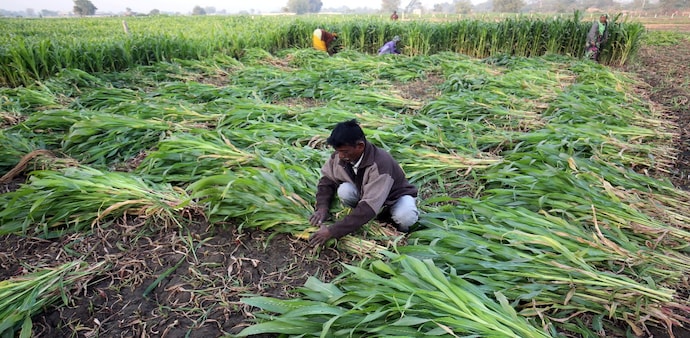
A major highlight emerging from the latest supply data is the emergence of maize as India’s single-largest ethanol feedstock, underlining a significant structural shift in the country’s biofuel landscape.
Industry experts believe the growing dependence on maize-based ethanol reflects India’s transition towards a more diversified, stable, and scalable feedstock ecosystem capable of supporting higher blending targets in the coming years.
MUST READ | Is India heading towards 100% ethanol for motor vehicles?
The data also highlights the growing balance between grain-based and sugarcane-based distilleries, strengthening India’s ability to sustain year-round ethanol availability and reduce supply-side vulnerabilities.
Grain-based distilleries contributed approximately 333 crore litres during the period and among all feedstocks, maize recorded the highest contribution and emerged as the dominant driver of India’s ethanol supply growth.
The sharp rise in maize-based ethanol production is being viewed as a major turning point for the sector.
Industry stakeholders say maize offers long-term scalability, year-round availability, and supply chain, requires substantially less water than other feedstock and stronger compatibility with India’s future higher-blending ambitions beyond E20.
DON'T MISS | 'EVs are fastest route to cut oil imports': ICCT CEO flags limits of ethanol for India
Experts also note that the rapid increase in maize utilization is likely to trigger fresh investments in grain storage, rural supply chains, ethanol capacities, and agri-processing infrastructure across several states.
The steady rise in supplies is also being seen as a positive signal for India’s clean energy transition, especially at a time when global economies are accelerating biofuel adoption to reduce fossil fuel dependence and lower carbon emissions.
Vijendra Singh, President, AIDA stated that “India’s ethanol programme has now entered a decisive growth phase and requires long-term policy certainty to unlock its full potential. India’s ethanol blending programme is today among the fastest-growing biofuel success stories globally. The emergence of maize as the leading feedstock reflects the sector’s increasing maturity, diversification, and long-term sustainability”.
India’s ethanol blending programme continues to demonstrate strong momentum, with cumulative ethanol supplies touching approximately 515 crore litres during the first six months of Ethanol Supply Year (ESY) 2025-26, according to industry estimates and supply trends compiled by the All India Distillers’ Association (AIDA).
The data indicates that against a total contracted volume of 1,059 crore litres, the industry has already supplied nearly 49% within the first half of the supply year, reaffirming the sector’s growing production capability and its strategic role in strengthening India’s energy security and reducing crude oil dependence.
A major highlight emerging from the latest supply data is the emergence of maize as India’s single-largest ethanol feedstock, underlining a significant structural shift in the country’s biofuel landscape.
Industry experts believe the growing dependence on maize-based ethanol reflects India’s transition towards a more diversified, stable, and scalable feedstock ecosystem capable of supporting higher blending targets in the coming years.
MUST READ | Is India heading towards 100% ethanol for motor vehicles?
The data also highlights the growing balance between grain-based and sugarcane-based distilleries, strengthening India’s ability to sustain year-round ethanol availability and reduce supply-side vulnerabilities.
Grain-based distilleries contributed approximately 333 crore litres during the period and among all feedstocks, maize recorded the highest contribution and emerged as the dominant driver of India’s ethanol supply growth.
The sharp rise in maize-based ethanol production is being viewed as a major turning point for the sector.
Industry stakeholders say maize offers long-term scalability, year-round availability, and supply chain, requires substantially less water than other feedstock and stronger compatibility with India’s future higher-blending ambitions beyond E20.
DON'T MISS | 'EVs are fastest route to cut oil imports': ICCT CEO flags limits of ethanol for India
Experts also note that the rapid increase in maize utilization is likely to trigger fresh investments in grain storage, rural supply chains, ethanol capacities, and agri-processing infrastructure across several states.
The steady rise in supplies is also being seen as a positive signal for India’s clean energy transition, especially at a time when global economies are accelerating biofuel adoption to reduce fossil fuel dependence and lower carbon emissions.
Vijendra Singh, President, AIDA stated that “India’s ethanol programme has now entered a decisive growth phase and requires long-term policy certainty to unlock its full potential. India’s ethanol blending programme is today among the fastest-growing biofuel success stories globally. The emergence of maize as the leading feedstock reflects the sector’s increasing maturity, diversification, and long-term sustainability”.