
'I brought inflation down, cleaned up banks': Raghuram Rajan blasts critics, says they don't even know the facts
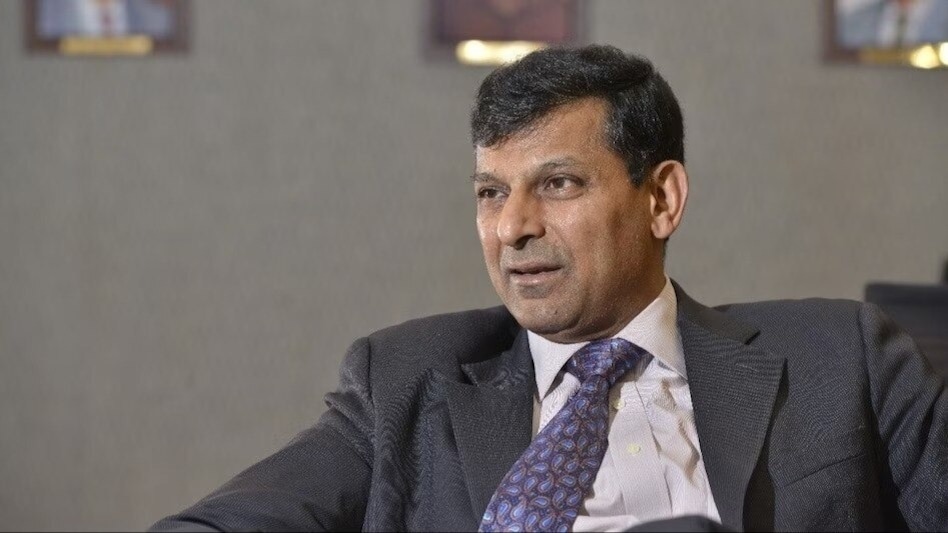
Raghuram Rajan, who served as RBI Governor from September 2013 to September 2016, said that he welcomes criticism based on facts.
- Jun 12, 2024,
- Updated Jun 12, 2024 6:51 PM IST
Renowned economist Raghuram Rajan has said that most of the criticisms about him and his tenure as central bank governor are simply not based on facts and that he does not pay attention to comments against him on social media. This comes just days after Rajan in an interview said there was an orchestrated effort to discredit him by taking his words out of context.
When asked how he handles this, Rajan said: "I don't actually read (social media comments). It doesn't affect me. There are sensible comments, but they are buried in a sea of trolling that I have no interest in what those guys said. They don't even read what I say, they just react and they are paid to react - why would I be interested in what they have to say?"
Rajan, who served as RBI Governor from September 2013 to September 2016, said that he welcomes criticism, but only those based on facts. "I don't reject criticism. What I reject is unfounded criticism, which is based on some rubbish," he said in a podcast - Jaipur Bytes - aired on June 7.
The noted economist said that he faced criticism like inflation skyrocketed during his time as governor, interest rates were hiked, and the debt crisis deepened. He said this was not true as he cut the interest rate, brought down the inflation, and cleaned up the banks.
"They don't even know the facts. (they say) you raised interest rates during the Modi regime. No, I cut interest rates during the Modi regime. (they say) you took inflation sky high - No, I brought inflation down. (they say) oh, you created a debt crisis for India - No, we cleaned up the banks - you don't have the facts. you've been taught by your masters to just react. I don't have any interest in reading what you say," Rajan said.
Rajan has been critical of Prime Minister Narendra Modi's some of the policy initiatives such as PLI schemes and massive incentives for firms setting up semiconductor facilities in India.
To counter Rajan, the BJP leaders point to double-digit inflation and the NPA (non-performing assets) crisis during the last years of the UPA-2. In a tweet last year, BJP's Amit Malviya, while responding to P Chidambaram, said that inflation in 2004 was 3.77% but it reached 10.02% in 2013-14. "This was made worse with high Current Account Deficit, declining manufacturing growth, acute policy paralysis and scams of approx 12 lakh crores," he added.
Malviya further said the Congress-led UPA government left behind a legacy of massive NPAs, double balance sheet problems, liquidity crunch, and scams like the "dial-a-bank". "It dragged India into the group of "Fragile Five" economies, with high inflation and low growth. Thanks to UPA's colossal mismanagement, India grappled with double-digit inflation for 22 months."
In May this year, Finance Minister Nirmala Sitharaman said that before 2014, the UPA government turned the banking sector into a cesspool of bad loans, vested interests, corruption, and mismanagement. "The 'seeds' of the NPA crisis were sown during the @INCIndia -led UPA era through ‘Phone Banking’, when loans were given to undeserving businesses under pressure from UPA leaders and party functionaries."
The finance minister said that the ‘seeds’ of the NPA crisis were sown during the UPA era through 'Phone Banking' when loans were given to undeserving businesses under pressure from UPA leaders and party functionaries.
Under the UPA, she said, getting loans from banks often depended on powerful connections rather than a solid business proposition. "Banks were forced to neglect proper due diligence and risk assessment before sanctioning these loans."
Sitharaman also said that two former RBI Governors - Rajan and Urjit Patel - openly "exposed the level of decay in the system left by the UPA regime". Raghuram Rajan, who also participated in Rahul Gandhi's 'Bharat Jodo Yatra', described the NPA crisis during the UPA era as a "historic phenomenon of irrational exuberance", she added.
Renowned economist Raghuram Rajan has said that most of the criticisms about him and his tenure as central bank governor are simply not based on facts and that he does not pay attention to comments against him on social media. This comes just days after Rajan in an interview said there was an orchestrated effort to discredit him by taking his words out of context.
When asked how he handles this, Rajan said: "I don't actually read (social media comments). It doesn't affect me. There are sensible comments, but they are buried in a sea of trolling that I have no interest in what those guys said. They don't even read what I say, they just react and they are paid to react - why would I be interested in what they have to say?"
Rajan, who served as RBI Governor from September 2013 to September 2016, said that he welcomes criticism, but only those based on facts. "I don't reject criticism. What I reject is unfounded criticism, which is based on some rubbish," he said in a podcast - Jaipur Bytes - aired on June 7.
The noted economist said that he faced criticism like inflation skyrocketed during his time as governor, interest rates were hiked, and the debt crisis deepened. He said this was not true as he cut the interest rate, brought down the inflation, and cleaned up the banks.
"They don't even know the facts. (they say) you raised interest rates during the Modi regime. No, I cut interest rates during the Modi regime. (they say) you took inflation sky high - No, I brought inflation down. (they say) oh, you created a debt crisis for India - No, we cleaned up the banks - you don't have the facts. you've been taught by your masters to just react. I don't have any interest in reading what you say," Rajan said.
Rajan has been critical of Prime Minister Narendra Modi's some of the policy initiatives such as PLI schemes and massive incentives for firms setting up semiconductor facilities in India.
To counter Rajan, the BJP leaders point to double-digit inflation and the NPA (non-performing assets) crisis during the last years of the UPA-2. In a tweet last year, BJP's Amit Malviya, while responding to P Chidambaram, said that inflation in 2004 was 3.77% but it reached 10.02% in 2013-14. "This was made worse with high Current Account Deficit, declining manufacturing growth, acute policy paralysis and scams of approx 12 lakh crores," he added.
Malviya further said the Congress-led UPA government left behind a legacy of massive NPAs, double balance sheet problems, liquidity crunch, and scams like the "dial-a-bank". "It dragged India into the group of "Fragile Five" economies, with high inflation and low growth. Thanks to UPA's colossal mismanagement, India grappled with double-digit inflation for 22 months."
In May this year, Finance Minister Nirmala Sitharaman said that before 2014, the UPA government turned the banking sector into a cesspool of bad loans, vested interests, corruption, and mismanagement. "The 'seeds' of the NPA crisis were sown during the @INCIndia -led UPA era through ‘Phone Banking’, when loans were given to undeserving businesses under pressure from UPA leaders and party functionaries."
The finance minister said that the ‘seeds’ of the NPA crisis were sown during the UPA era through 'Phone Banking' when loans were given to undeserving businesses under pressure from UPA leaders and party functionaries.
Under the UPA, she said, getting loans from banks often depended on powerful connections rather than a solid business proposition. "Banks were forced to neglect proper due diligence and risk assessment before sanctioning these loans."
Sitharaman also said that two former RBI Governors - Rajan and Urjit Patel - openly "exposed the level of decay in the system left by the UPA regime". Raghuram Rajan, who also participated in Rahul Gandhi's 'Bharat Jodo Yatra', described the NPA crisis during the UPA era as a "historic phenomenon of irrational exuberance", she added.