
Identity codes: QR-code based identification for Pahalgam workers
Nearly 17 to 18 vulnerable points, including popular tourist spots, have been identified where the QR-code system is strictly enforced.
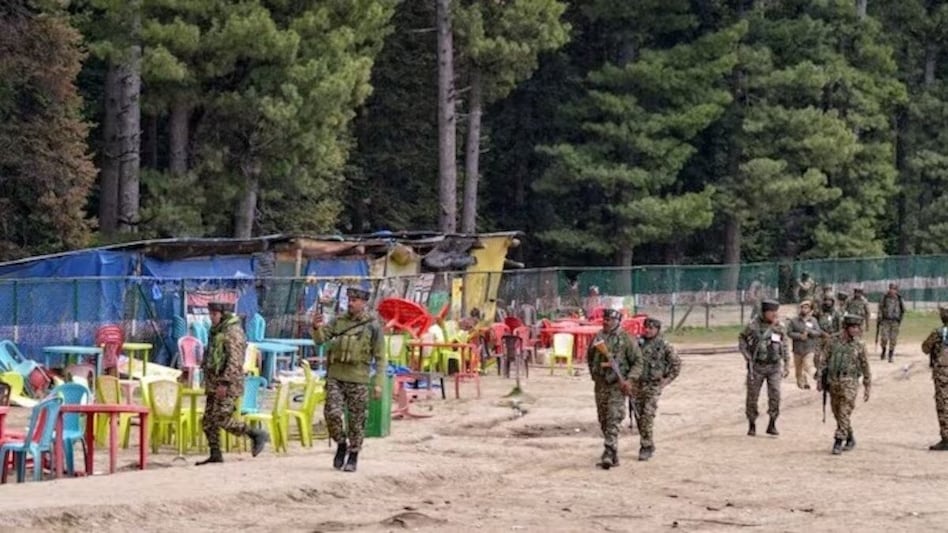
- Apr 20, 2026,
- Updated Apr 20, 2026 10:51 AM IST
Pahalgam: QR-code based identification has been introduced in Pahalgam to enhance security in the region still recovering from a terrorist attack that took place a year ago,as per a report. The local police have implemented this system for thousands of workers in the hill town to monitor individuals operating in the area.
According to a report in Times of India, pony handlers, taxi drivers, and nomadic communities in the surrounding hills are being issued unique QR codes. These codes can be scanned using apps like Google Lens to access personal information such as name, address, phone number, Aadhaar details, PIN code, and profession. The identification drive aims to cover nearly 25,000 individuals, with about 7,000 QR codes already issued in Pahalgam, the report added.
The initiative was launched following the attack by Pakistani terrorists that claimed 26 lives, including a pony handler who tried to prevent the massacre. Applicants need to submit verification forms and undergo police background checks. Even minor criminal records or FIRs for petty offences can disqualify individuals from receiving a QR code. After clearance, QR identities are generated with help from local Khidmat service centres, said the report.
Nearly 17 to 18 vulnerable points, including popular tourist spots, have been identified where the QR-code system is strictly enforced. The aim is to prevent unauthorised access and improve visitor safety. Verification is available to both security personnel and tourists, it said. A senior police officer said the programme focuses on tourist safety, and unlike earlier physical identity cards for pony handlers, QR codes offer instant and reliable verification.
Around 20 pony handlers and local guides present during the attack were questioned by police and the National Investigation Agency, with some detained for extended periods, after the Pahalgam attack.
Abdul Wahid Wani, president of the Pahalgam Local Pony Owners' Union, said the post-attack verification revealed gaps in the previous system, leading to the adoption of QR-based identification. Pahalgam has about 3,500 registered pony service providers from nine nearby villages.
Pahalgam: QR-code based identification has been introduced in Pahalgam to enhance security in the region still recovering from a terrorist attack that took place a year ago,as per a report. The local police have implemented this system for thousands of workers in the hill town to monitor individuals operating in the area.
According to a report in Times of India, pony handlers, taxi drivers, and nomadic communities in the surrounding hills are being issued unique QR codes. These codes can be scanned using apps like Google Lens to access personal information such as name, address, phone number, Aadhaar details, PIN code, and profession. The identification drive aims to cover nearly 25,000 individuals, with about 7,000 QR codes already issued in Pahalgam, the report added.
The initiative was launched following the attack by Pakistani terrorists that claimed 26 lives, including a pony handler who tried to prevent the massacre. Applicants need to submit verification forms and undergo police background checks. Even minor criminal records or FIRs for petty offences can disqualify individuals from receiving a QR code. After clearance, QR identities are generated with help from local Khidmat service centres, said the report.
Nearly 17 to 18 vulnerable points, including popular tourist spots, have been identified where the QR-code system is strictly enforced. The aim is to prevent unauthorised access and improve visitor safety. Verification is available to both security personnel and tourists, it said. A senior police officer said the programme focuses on tourist safety, and unlike earlier physical identity cards for pony handlers, QR codes offer instant and reliable verification.
Around 20 pony handlers and local guides present during the attack were questioned by police and the National Investigation Agency, with some detained for extended periods, after the Pahalgam attack.
Abdul Wahid Wani, president of the Pahalgam Local Pony Owners' Union, said the post-attack verification revealed gaps in the previous system, leading to the adoption of QR-based identification. Pahalgam has about 3,500 registered pony service providers from nine nearby villages.