
India agreed to reduce tariffs on select agri products, medical devices, other goods to 0%: Jamieson Greer on trade deal
He, however, added that New Delhi is maintaining "some protection" around agricultural goods.
- Feb 4, 2026,
- Updated Feb 4, 2026 11:23 AM IST
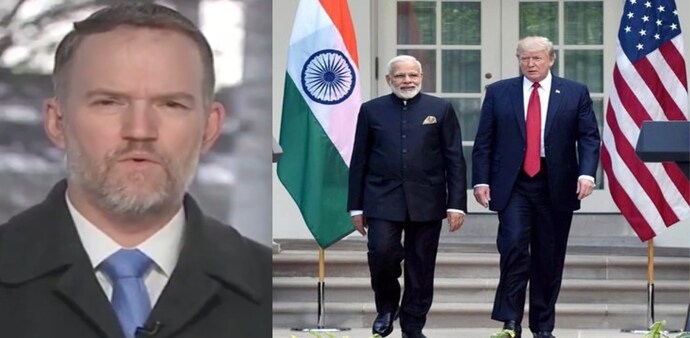
US Trade Representative Jamieson Greer on Tuesday said in an interview that India has agreed to reduce tariffs on a wide array of US exports from 13.5 per cent to zero. He, however, added that New Delhi is maintaining "some protection" around agricultural goods.
Greer told CNBC Squawk Box, "On one hand, we will continue to maintain some level of tariff against India - 18% - because we have this giant trade deficit with them, but they've also agreed to reduce their tariffs for us on a variety of agricultural products, manufactured goods, chemicals, medical devices, etc. It's an exciting opportunity for both countries."
When asked about the country's tariff regime, he said that the average tariff for US industrial goods stands at around 13.5 per cent as of now. He added, "That's going to go to zero. For virtually everything. When I say virtually, I mean 98-99%."
He added that India has reduced tariffs on many goods from the US but has been protectionist in select areas, just like the United States.
"There are vast array of agricultural goods. So, it will be zero. India, like every country in the world, including the United States, had some protection around certain key areas. Well, they will continue to control that. We'll continue to work on access. But for a variety of things, you know, tree nuts, wine, spirits, fruits, vegetables, etc. That they're going down to zero. So, this is a big win."
Additionally, Jamieson Greer mentioned that India is also significantly reducing non-tariff barriers.
"We have an understanding and an agreement with the Indians as well on a variety of technical barriers to trade, areas where they have not accepted US standards. We know American goods are safe, we know they're effective, etc. We have effective regulation in the US, sometimes too effective."
He mentioned that there is a disagreement on a process for recognising certain US standards and that Indians have their "own political considerations" and processes for accepting them.
Furthermore, Greer said that the trade deal would make India, which he described as a "market of over a billion people," open to US goods.
When asked about India's imports of Russian crude oil, he said that New Delhi did not really import that much of its oil and energy requirements from Moscow till 2022-23, but started doing so when Russian crude was trading at a discount due to sanctions on other oil-producing countries such as Venezuela.
"President Trump, very accurately, put the Indians on notice that we (the US) viewed this as supporting the Russian war effort. Starting early at the end of last year, the Indians started winding down their purchases of Russian oil. We've been monitoring that they have been diversifying their purchase of energy from the US. Not just oil, but also gas and propane and other things."
He further said that besides the US, India might also be looking at Venezuela or the Gulf to diversify its oil purchases. Towards the end, he said, "There are a lot of opportunities to do this. The Indians are making the right choice."
US Trade Representative Jamieson Greer on Tuesday said in an interview that India has agreed to reduce tariffs on a wide array of US exports from 13.5 per cent to zero. He, however, added that New Delhi is maintaining "some protection" around agricultural goods.
Greer told CNBC Squawk Box, "On one hand, we will continue to maintain some level of tariff against India - 18% - because we have this giant trade deficit with them, but they've also agreed to reduce their tariffs for us on a variety of agricultural products, manufactured goods, chemicals, medical devices, etc. It's an exciting opportunity for both countries."
When asked about the country's tariff regime, he said that the average tariff for US industrial goods stands at around 13.5 per cent as of now. He added, "That's going to go to zero. For virtually everything. When I say virtually, I mean 98-99%."
He added that India has reduced tariffs on many goods from the US but has been protectionist in select areas, just like the United States.
"There are vast array of agricultural goods. So, it will be zero. India, like every country in the world, including the United States, had some protection around certain key areas. Well, they will continue to control that. We'll continue to work on access. But for a variety of things, you know, tree nuts, wine, spirits, fruits, vegetables, etc. That they're going down to zero. So, this is a big win."
Additionally, Jamieson Greer mentioned that India is also significantly reducing non-tariff barriers.
"We have an understanding and an agreement with the Indians as well on a variety of technical barriers to trade, areas where they have not accepted US standards. We know American goods are safe, we know they're effective, etc. We have effective regulation in the US, sometimes too effective."
He mentioned that there is a disagreement on a process for recognising certain US standards and that Indians have their "own political considerations" and processes for accepting them.
Furthermore, Greer said that the trade deal would make India, which he described as a "market of over a billion people," open to US goods.
When asked about India's imports of Russian crude oil, he said that New Delhi did not really import that much of its oil and energy requirements from Moscow till 2022-23, but started doing so when Russian crude was trading at a discount due to sanctions on other oil-producing countries such as Venezuela.
"President Trump, very accurately, put the Indians on notice that we (the US) viewed this as supporting the Russian war effort. Starting early at the end of last year, the Indians started winding down their purchases of Russian oil. We've been monitoring that they have been diversifying their purchase of energy from the US. Not just oil, but also gas and propane and other things."
He further said that besides the US, India might also be looking at Venezuela or the Gulf to diversify its oil purchases. Towards the end, he said, "There are a lot of opportunities to do this. The Indians are making the right choice."