
India is making a bad bet on China, warns Stanford's Sumit Ganguly
New Delhi's attempt to normalise relations with Beijing comes at a moment of sharp strain in its partnership with the United States under President Donald Trump.
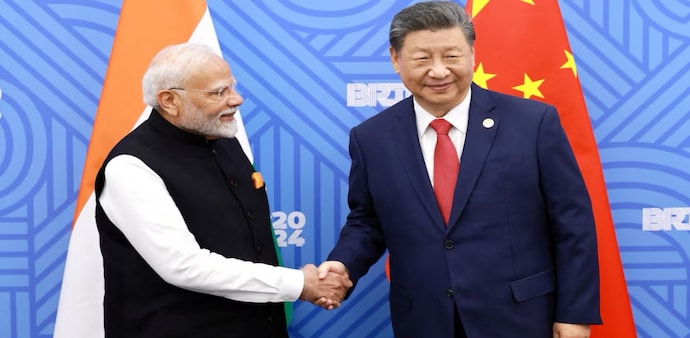
- Aug 25, 2025,
- Updated Aug 25, 2025 5:42 PM IST
India's outreach to China amid deteriorating ties with Washington is unlikely to yield lasting benefits and could prove a costly mistake, according to Sumit Ganguly, senior fellow at Stanford University's Hoover Institution. "India is making a bad bet on China, and it will not end well," Ganguly argued in a column in Foreign Policy.
New Delhi's attempt to normalise relations with Beijing comes at a moment of sharp strain in its partnership with the United States under President Donald Trump.
Chinese Foreign Minister Wang Yi visited New Delhi last week, marking the first high-level Chinese visit since the Galwan clashes in 2020. Wang met Prime Minister Narendra Modi, External Affairs Minister S Jaishankar, and National Security Advisor Ajit Doval. Modi highlighted "steady progress" since the border standoff, while Wang said India and China should not be "adversaries" but "partners."
During the visit, Modi formally accepted Chinese President Xi Jinping's invitation to meet on the sidelines of the Shanghai Cooperation Organisation summit later this month. But Ganguly questioned India's decision to host Wang at this juncture. "It seems that India decided to try to improve relations with China for one compelling reason: the drastic deterioration in its ties with the United States," he wrote.
Trump has imposed steep trade penalties, including a 50% tariff on Indian goods, with 25% linked directly to India's purchase of Russian crude oil. The US has accused India of funding Moscow's war in Ukraine - a charge New Delhi rejects. To compound matters, Ganguly said, Trump has courted Pakistan, hosting Army chief Asim Munir at the White House shortly after Islamabad suggested Trump be nominated for the Nobel Peace Prize for helping broker a cease-fire in the May conflict.
According to Ganguly, these developments have left India "astonished" after assuming it could maintain stable ties with Trump’s second administration. "India has offered to make some concessions on trade but has adopted an unyielding stance on others. Most importantly, it has steadfastly refused to stop purchasing and refining Russian oil," he wrote.
Turning to Beijing, Ganguly warned New Delhi was miscalculating. "New Delhi is locked into an intractable rivalry with Beijing: The two states have differing visions of political order in Asia and beyond, they have a border dispute on which they have made glacial progress, and the asymmetries in their economic and military capabilities are glaring and getting worse," he observed.
He pointed to Wang's subsequent trip to Kabul and Islamabad, where he agreed with Pakistan to expand the China-Pakistan Economic Corridor. "If India had any doubts on this score, it should have become more than evident as the visit concluded," Ganguly wrote.
Despite 24 rounds of talks, India and China remain far from resolving their Himalayan border dispute. Ganguly concluded that while New Delhi’s frustration with Washington is understandable, "India's effort to court China as a possible counterweight to the US may turn out to be an infelicitous choice".
"There is no sound basis for New Delhi making common cause with Beijing, and this seeming convergence of interests is bound to be fleeting," he concluded.
India's outreach to China amid deteriorating ties with Washington is unlikely to yield lasting benefits and could prove a costly mistake, according to Sumit Ganguly, senior fellow at Stanford University's Hoover Institution. "India is making a bad bet on China, and it will not end well," Ganguly argued in a column in Foreign Policy.
New Delhi's attempt to normalise relations with Beijing comes at a moment of sharp strain in its partnership with the United States under President Donald Trump.
Chinese Foreign Minister Wang Yi visited New Delhi last week, marking the first high-level Chinese visit since the Galwan clashes in 2020. Wang met Prime Minister Narendra Modi, External Affairs Minister S Jaishankar, and National Security Advisor Ajit Doval. Modi highlighted "steady progress" since the border standoff, while Wang said India and China should not be "adversaries" but "partners."
During the visit, Modi formally accepted Chinese President Xi Jinping's invitation to meet on the sidelines of the Shanghai Cooperation Organisation summit later this month. But Ganguly questioned India's decision to host Wang at this juncture. "It seems that India decided to try to improve relations with China for one compelling reason: the drastic deterioration in its ties with the United States," he wrote.
Trump has imposed steep trade penalties, including a 50% tariff on Indian goods, with 25% linked directly to India's purchase of Russian crude oil. The US has accused India of funding Moscow's war in Ukraine - a charge New Delhi rejects. To compound matters, Ganguly said, Trump has courted Pakistan, hosting Army chief Asim Munir at the White House shortly after Islamabad suggested Trump be nominated for the Nobel Peace Prize for helping broker a cease-fire in the May conflict.
According to Ganguly, these developments have left India "astonished" after assuming it could maintain stable ties with Trump’s second administration. "India has offered to make some concessions on trade but has adopted an unyielding stance on others. Most importantly, it has steadfastly refused to stop purchasing and refining Russian oil," he wrote.
Turning to Beijing, Ganguly warned New Delhi was miscalculating. "New Delhi is locked into an intractable rivalry with Beijing: The two states have differing visions of political order in Asia and beyond, they have a border dispute on which they have made glacial progress, and the asymmetries in their economic and military capabilities are glaring and getting worse," he observed.
He pointed to Wang's subsequent trip to Kabul and Islamabad, where he agreed with Pakistan to expand the China-Pakistan Economic Corridor. "If India had any doubts on this score, it should have become more than evident as the visit concluded," Ganguly wrote.
Despite 24 rounds of talks, India and China remain far from resolving their Himalayan border dispute. Ganguly concluded that while New Delhi’s frustration with Washington is understandable, "India's effort to court China as a possible counterweight to the US may turn out to be an infelicitous choice".
"There is no sound basis for New Delhi making common cause with Beijing, and this seeming convergence of interests is bound to be fleeting," he concluded.