
El Nino impact? India headed for driest monsoon since 2009, food inflation fears rise: Report
The deepening rainfall deficit is sharpening concerns over crop yields, food inflation and government supply measures.
- Sep 18, 2026,
- Updated Sep 18, 2026 7:28 AM IST
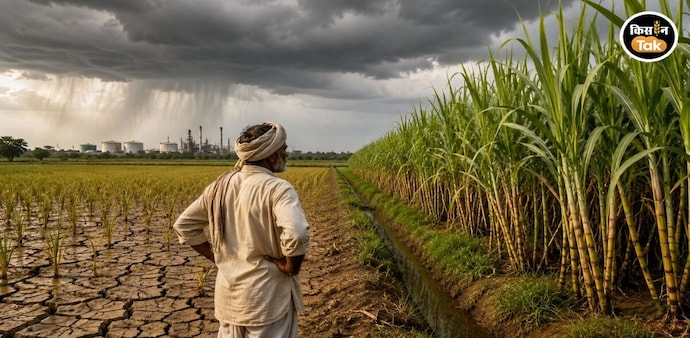
With the monsoon running well below normal, concern is building over the impact on India’s farm economy and food prices. India is on course to record its driest monsoon in 17 years, with strengthening El Nino conditions curbing rainfall and raising worries over crop yields and inflation, Bloomberg reported.
Cumulative rainfall during the June-September monsoon season is currently 15% below the long-term average, according to the India Meteorological Department (IMD). If this deficit persists, the season would be the weakest since 2009, when rainfall was 18% below normal. In May, the IMD had forecast a 10% shortfall for the season.
MUST READ | Strongest El Niño since 1950? US climate centre gives 75% chance of historic event
Rainfall deficit likely to stay in double digits
A potential tropical cyclone could develop in the Bay of Bengal in the final week of September and bring some relief to eastern and north-eastern India, Christian Werner, managing director of Australia-based consultancy Global Weather Climate Analytics, told Bloomberg.
However, Werner said the storm was unlikely to make a significant difference to the overall national rainfall deficit, which he estimates will remain between 13% and 16%.
Forecasts from academics and weather experts on Lancaster University’s CRUCIAL prediction platform also point to a weak monsoon. According to its founder and planetary scientist Mark Roulston, the platform gives a 68% probability that the season will end with rainfall 10% to 20% below normal.
DON'T MISS | El Niño to cut power output as India’s electricity demand stays high: Report
Why the monsoon matters for India
The monsoon is critical to India’s agricultural economy, with hundreds of millions of farmers relying on seasonal rainfall to irrigate their fields. India is among the world’s largest producers of rice, sugar and cotton, while the June-September monsoon accounts for most of the country’s annual rainfall.
A prolonged rainfall deficit could affect both the current harvest and the following crop cycle, potentially adding to food-price pressures. Food inflation rose for a seventh consecutive month in August to 5.95%, its highest level this year, while rice, sugar cane and corn plantings are trailing last year’s levels.
According to Yuvika Singhal, an economist at QuantEco, every 1 percentage-point shortfall in rainfall from normal levels typically pushes food inflation higher by about 25 basis points.
Government steps to contain food costs
The government has already taken steps to strengthen supplies amid weaker rainfall and rising prices. These include allowing duty-free sugar imports and selling onions at subsidised prices in some states to contain food costs.
With the monsoon running well below normal, concern is building over the impact on India’s farm economy and food prices. India is on course to record its driest monsoon in 17 years, with strengthening El Nino conditions curbing rainfall and raising worries over crop yields and inflation, Bloomberg reported.
Cumulative rainfall during the June-September monsoon season is currently 15% below the long-term average, according to the India Meteorological Department (IMD). If this deficit persists, the season would be the weakest since 2009, when rainfall was 18% below normal. In May, the IMD had forecast a 10% shortfall for the season.
MUST READ | Strongest El Niño since 1950? US climate centre gives 75% chance of historic event
Rainfall deficit likely to stay in double digits
A potential tropical cyclone could develop in the Bay of Bengal in the final week of September and bring some relief to eastern and north-eastern India, Christian Werner, managing director of Australia-based consultancy Global Weather Climate Analytics, told Bloomberg.
However, Werner said the storm was unlikely to make a significant difference to the overall national rainfall deficit, which he estimates will remain between 13% and 16%.
Forecasts from academics and weather experts on Lancaster University’s CRUCIAL prediction platform also point to a weak monsoon. According to its founder and planetary scientist Mark Roulston, the platform gives a 68% probability that the season will end with rainfall 10% to 20% below normal.
DON'T MISS | El Niño to cut power output as India’s electricity demand stays high: Report
Why the monsoon matters for India
The monsoon is critical to India’s agricultural economy, with hundreds of millions of farmers relying on seasonal rainfall to irrigate their fields. India is among the world’s largest producers of rice, sugar and cotton, while the June-September monsoon accounts for most of the country’s annual rainfall.
A prolonged rainfall deficit could affect both the current harvest and the following crop cycle, potentially adding to food-price pressures. Food inflation rose for a seventh consecutive month in August to 5.95%, its highest level this year, while rice, sugar cane and corn plantings are trailing last year’s levels.
According to Yuvika Singhal, an economist at QuantEco, every 1 percentage-point shortfall in rainfall from normal levels typically pushes food inflation higher by about 25 basis points.
Government steps to contain food costs
The government has already taken steps to strengthen supplies amid weaker rainfall and rising prices. These include allowing duty-free sugar imports and selling onions at subsidised prices in some states to contain food costs.