
India Post's ₹1.94 lakh crore opportunity: Can its vast network become a commercial powerhouse?
India Post's ₹1.94 lakh crore opportunity: Can its vast network become a commercial powerhouse?
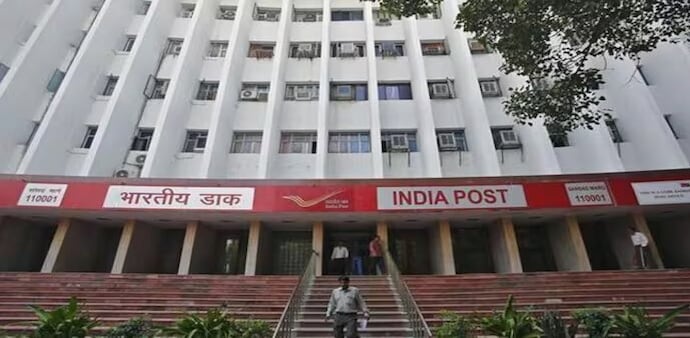
India Post has around 1.65 lakh post offices and a workforce of approximately 4.74 lakh, including more than 2.78 lakh Gramin Dak Sevaks. Its extensive reach, particularly in rural areas, could give it an advantage in providing services to businesses and consumers beyond major cities.
Basudha Das
- Oct 12, 2026,
- Updated Oct 12, 2026 2:30 AM IST
India Post could unlock a ₹1.94 lakh crore business opportunity by putting its vast network of post offices, land and buildings to better commercial use, according to a report by consulting firm Prequate Advisory. The plan could help the postal department generate new revenue from warehousing, logistics, property leasing and citizen services, while reducing its dependence on traditional postal operations.
Advertisement
The report, Latent Report 2026, estimates that India Post's existing brand, land, buildings and workforce have a combined latent value of ₹65,067 crore. However, realising the larger opportunity will depend on how effectively it converts these assets into paying businesses.
India Post has around 1.65 lakh post offices and a workforce of approximately 4.74 lakh, including more than 2.78 lakh Gramin Dak Sevaks. Its extensive reach, particularly in rural areas, could give it an advantage in providing services to businesses and consumers beyond major cities.
Warehousing, logistics among key opportunities
Prequate evaluated more than 100 commercial opportunities before shortlisting eight initiatives based on market demand, feasibility and their fit with India Post's existing capabilities.
These include on-demand warehousing, kiosks, rural post office camps, parcel fulfilment and returns, flex-office leasing, transport capacity for other businesses, cash-loading services for financial institutions, and an expanded platform for government services.
Advertisement
On-demand warehousing emerged as the most promising option, scoring 0.86 on the report's viability assessment. India Post could use its existing infrastructure to offer storage facilities to e-commerce companies, direct-to-consumer brands and fast-moving consumer goods companies.
The report estimates India Post's underlying land value at ₹42,571 crore and its owned buildings at ₹6,732 crore. Its workforce accounts for another ₹11,280 crore in estimated value, based on recruitment and training costs.
These figures represent estimated asset and resource values, not money that India Post can immediately earn or realise.
₹18,209 crore in additional EBITDA by FY2036
Prequate modelled five of the proposed initiatives and estimates that they could generate an additional ₹18,209 crore in earnings before interest, taxes, depreciation and amortisation (EBITDA) by FY2036. This would take total EBITDA to around ₹19,528 crore.
Advertisement
The report also projects that India Post could achieve operational break-even in about seven years from its ₹24,915 crore deficit in FY2025. This would require new revenue streams, better use of existing services and tighter cost management.
Can India Post turn its reach into profits?
Some newer services are already showing growth. Parcel revenue rose 69.4% to ₹1,133 crore in FY2026, while citizen-centric services grew 70%, driven by Aadhaar and passport-related offerings. Premiums from Postal Life Insurance and Rural Postal Life Insurance grew at an annual rate of around 15.6% between FY2022 and FY2025.
The next challenge is to turn this growth into sustainable profits. India Post will need to attract commercial customers, use its infrastructure efficiently and ensure that new ventures generate enough revenue to justify their costs.
Prequate clarified that the ₹1.94 lakh crore opportunity is based on its own financial models and assumptions. It is not an official valuation or financial projection by India Post or the government.
For India Post, the opportunity lies in using an already extensive network to build new revenue streams. Whether that translates into a financial turnaround will depend on execution.
India Post could unlock a ₹1.94 lakh crore business opportunity by putting its vast network of post offices, land and buildings to better commercial use, according to a report by consulting firm Prequate Advisory. The plan could help the postal department generate new revenue from warehousing, logistics, property leasing and citizen services, while reducing its dependence on traditional postal operations.
Advertisement
The report, Latent Report 2026, estimates that India Post's existing brand, land, buildings and workforce have a combined latent value of ₹65,067 crore. However, realising the larger opportunity will depend on how effectively it converts these assets into paying businesses.
India Post has around 1.65 lakh post offices and a workforce of approximately 4.74 lakh, including more than 2.78 lakh Gramin Dak Sevaks. Its extensive reach, particularly in rural areas, could give it an advantage in providing services to businesses and consumers beyond major cities.
Warehousing, logistics among key opportunities
Prequate evaluated more than 100 commercial opportunities before shortlisting eight initiatives based on market demand, feasibility and their fit with India Post's existing capabilities.
These include on-demand warehousing, kiosks, rural post office camps, parcel fulfilment and returns, flex-office leasing, transport capacity for other businesses, cash-loading services for financial institutions, and an expanded platform for government services.
Advertisement
On-demand warehousing emerged as the most promising option, scoring 0.86 on the report's viability assessment. India Post could use its existing infrastructure to offer storage facilities to e-commerce companies, direct-to-consumer brands and fast-moving consumer goods companies.
The report estimates India Post's underlying land value at ₹42,571 crore and its owned buildings at ₹6,732 crore. Its workforce accounts for another ₹11,280 crore in estimated value, based on recruitment and training costs.
These figures represent estimated asset and resource values, not money that India Post can immediately earn or realise.
₹18,209 crore in additional EBITDA by FY2036
Prequate modelled five of the proposed initiatives and estimates that they could generate an additional ₹18,209 crore in earnings before interest, taxes, depreciation and amortisation (EBITDA) by FY2036. This would take total EBITDA to around ₹19,528 crore.
Advertisement
The report also projects that India Post could achieve operational break-even in about seven years from its ₹24,915 crore deficit in FY2025. This would require new revenue streams, better use of existing services and tighter cost management.
Can India Post turn its reach into profits?
Some newer services are already showing growth. Parcel revenue rose 69.4% to ₹1,133 crore in FY2026, while citizen-centric services grew 70%, driven by Aadhaar and passport-related offerings. Premiums from Postal Life Insurance and Rural Postal Life Insurance grew at an annual rate of around 15.6% between FY2022 and FY2025.
The next challenge is to turn this growth into sustainable profits. India Post will need to attract commercial customers, use its infrastructure efficiently and ensure that new ventures generate enough revenue to justify their costs.
Prequate clarified that the ₹1.94 lakh crore opportunity is based on its own financial models and assumptions. It is not an official valuation or financial projection by India Post or the government.
For India Post, the opportunity lies in using an already extensive network to build new revenue streams. Whether that translates into a financial turnaround will depend on execution.
Read more!