
India set to introduce overnight train service on Guwahati–Kolkata route after safety clearance
Designed for journeys of more than 1,000 km, the sleeper train is aimed at overnight long-distance travel.
- Jan 1, 2026,
- Updated Jan 1, 2026 5:35 PM IST
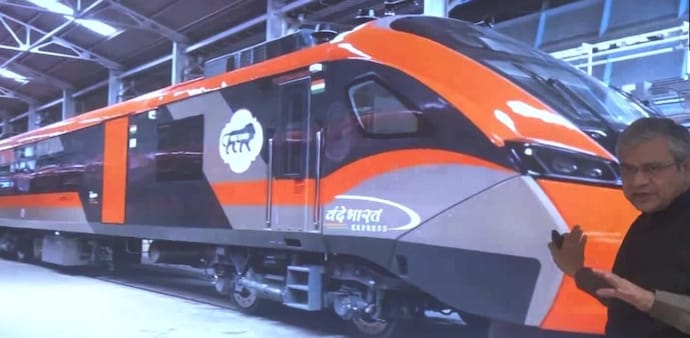
India has completed trials and safety certification for the Vande Bharat Sleeper train, paving the way for the launch of the country’s first long-distance sleeper version of the semi-high-speed service.
Railway Minister Ashwini Vaishnaw said the first route would run between Guwahati and Kolkata, with Prime Minister Narendra Modi expected to flag off the inaugural service in the coming weeks.
Speaking at a press conference, Vaishnaw said there had been sustained demand for next-generation trains since the introduction of the Vande Bharat chair car services.
Designed for journeys of more than 1,000 km, the sleeper train is intended for overnight long-distance travel. The minister said it would offer faster travel, improved comfort and enhanced safety features, including an upgraded suspension system and modern sleeper coaches.
Fares on the Guwahati–Howrah route have been set at around ₹2,300 for AC three-tier accommodation. Air fares on the same route typically range between ₹6,000 and ₹8,000, and can rise to ₹10,000 during peak periods. The Railway Ministry has proposed fares of about ₹3,000 for AC two-tier and ₹3,600 for first-class AC.
Vaishnaw said around 12 Vande Bharat Sleeper trains are expected to be inducted into the rail network by the end of the year, with plans to expand the fleet more rapidly next year.
Indian Railways recently completed the final high-speed trial of the train under the supervision of the Commissioner of Railway Safety. The trial was conducted on the Kota–Nagda section in Rajasthan, where the train reached a top speed of 180 kmph.
Officials said extensive technical checks were carried out during the trial, including tests of ride stability, vibration, braking performance, emergency braking and safety systems. The train’s performance at high speed was found to be satisfactory, following which safety clearance was granted.
Earlier, the railway minister shared footage of the trial on social media showing glasses filled with water remaining steady at high speed, highlighting the train’s stability and suspension quality.
The 16-coach sleeper train has been designed for long-distance travel and includes sleeper berths, automatic doors, modern toilets, CCTV surveillance, digital passenger information systems, fire detection mechanisms and energy-efficient technologies.
Additional safety features include the KAVACH automatic train protection system, crashworthy couplers, anti-climbers and fire barrier doors. The coaches are also equipped with regenerative braking systems, UV-based air disinfection units and centrally controlled automatic doors.
Facilities for passengers with disabilities include special lavatories in the driving coaches. A centralised coach monitoring system allows real-time tracking of key amenities such as air conditioning and lighting.
The successful completion of the trials clears the way for the introduction of Vande Bharat Sleeper services and reflects Indian Railways’ push towards modern, domestically manufactured trains under the Atmanirbhar Bharat programme.
(With inputs from ANI)
India has completed trials and safety certification for the Vande Bharat Sleeper train, paving the way for the launch of the country’s first long-distance sleeper version of the semi-high-speed service.
Railway Minister Ashwini Vaishnaw said the first route would run between Guwahati and Kolkata, with Prime Minister Narendra Modi expected to flag off the inaugural service in the coming weeks.
Speaking at a press conference, Vaishnaw said there had been sustained demand for next-generation trains since the introduction of the Vande Bharat chair car services.
Designed for journeys of more than 1,000 km, the sleeper train is intended for overnight long-distance travel. The minister said it would offer faster travel, improved comfort and enhanced safety features, including an upgraded suspension system and modern sleeper coaches.
Fares on the Guwahati–Howrah route have been set at around ₹2,300 for AC three-tier accommodation. Air fares on the same route typically range between ₹6,000 and ₹8,000, and can rise to ₹10,000 during peak periods. The Railway Ministry has proposed fares of about ₹3,000 for AC two-tier and ₹3,600 for first-class AC.
Vaishnaw said around 12 Vande Bharat Sleeper trains are expected to be inducted into the rail network by the end of the year, with plans to expand the fleet more rapidly next year.
Indian Railways recently completed the final high-speed trial of the train under the supervision of the Commissioner of Railway Safety. The trial was conducted on the Kota–Nagda section in Rajasthan, where the train reached a top speed of 180 kmph.
Officials said extensive technical checks were carried out during the trial, including tests of ride stability, vibration, braking performance, emergency braking and safety systems. The train’s performance at high speed was found to be satisfactory, following which safety clearance was granted.
Earlier, the railway minister shared footage of the trial on social media showing glasses filled with water remaining steady at high speed, highlighting the train’s stability and suspension quality.
The 16-coach sleeper train has been designed for long-distance travel and includes sleeper berths, automatic doors, modern toilets, CCTV surveillance, digital passenger information systems, fire detection mechanisms and energy-efficient technologies.
Additional safety features include the KAVACH automatic train protection system, crashworthy couplers, anti-climbers and fire barrier doors. The coaches are also equipped with regenerative braking systems, UV-based air disinfection units and centrally controlled automatic doors.
Facilities for passengers with disabilities include special lavatories in the driving coaches. A centralised coach monitoring system allows real-time tracking of key amenities such as air conditioning and lighting.
The successful completion of the trials clears the way for the introduction of Vande Bharat Sleeper services and reflects Indian Railways’ push towards modern, domestically manufactured trains under the Atmanirbhar Bharat programme.
(With inputs from ANI)