
India-US may finalise first phase of trade deal by mid-July: Piyush Goyal
India-US trade deal: A high-level US team, likely led by Trade Representative Jamieson Greer, is expected to visit India later this month.
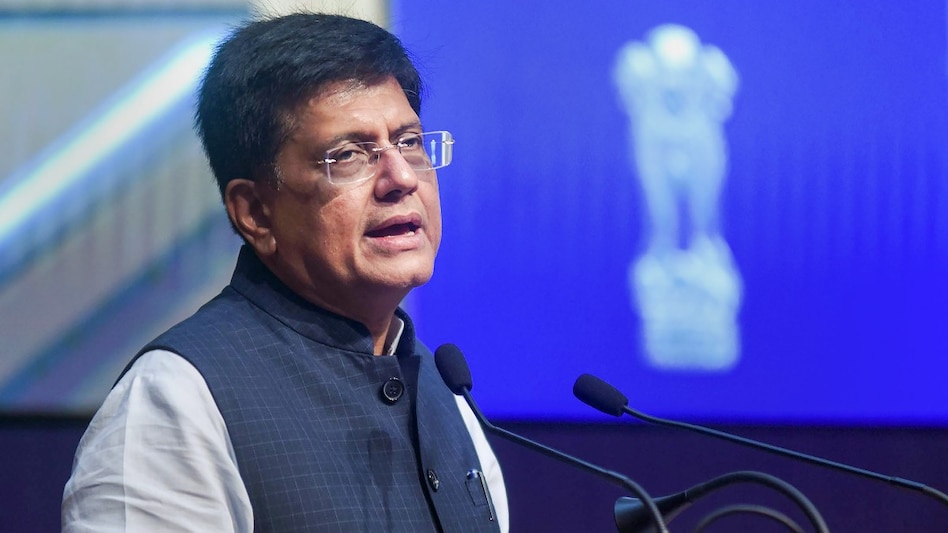
- Jun 8, 2026,
- Updated Jun 8, 2026 2:47 PM IST
India and the US are close to resolving the remaining issues in their interim trade agreement, with the first phase expected to be executed by mid-July, Commerce and Industry Minister Piyush Goyal said on Friday.
A US team visited New Delhi from June 2 to 4 to finalise the deal and held discussions with the Indian side. Goyal met the delegation and said talks are progressing rapidly towards closing all open points. He expressed confidence that the first tranche of the bilateral trade agreement, which will provide preferential access to India over competitors, will be implemented soon.
A high-level US team, likely led by Trade Representative Jamieson Greer, is expected to visit India later this month. The recent talks in New Delhi were described as constructive and positive, covering trade in goods, non-tariff measures, customs, trade facilitation, economic security alignment, and other mutual interests.
MUST READ | Trying to get across the finish line: US Ambassador Gor on trade deal with India
The US team was led by chief negotiator Brendan Lynch, while India’s chief negotiator is Darpan Jain, additional secretary in the Department of Commerce. After agreeing on the framework for the first phase, both countries aim to finalise the interim trade pact details and continue negotiations on the broader bilateral trade agreement.
In February, India and the US issued a joint statement outlining the first phase of the agreement. The US agreed to reduce tariffs on Indian goods from 50 per cent to 18 per cent and removed 25 per cent tariffs related to Russian oil purchases, with plans to cut the remaining 25 per cent to 18 per cent.
However, a US Supreme Court ruling against President Donald Trump’s reciprocal tariffs led to the imposition of a uniform 10 per cent tariff on all countries from February 24 to July 24. This change prompted further talks, including an Indian delegation visit to Washington in April and recent discussions in New Delhi.
Given the new tariff landscape, both sides may adjust the agreement framework. The February joint statement allows modifications if either country changes tariffs. India proposed reducing or eliminating tariffs on US industrial goods and various food and agricultural products.
New Delhi also plans to purchase USD 500 billion worth of US energy products, aircraft and parts, precious metals, technology products, and coking coal over five years. Previously, India had an advantage over countries like Sri Lanka, Pakistan, and Bangladesh, but the uniform 10 per cent US tariff requires recalibration to maintain India's preferential position.
Following the Supreme Court ruling, the US may use Section 301 investigations to impose new tariffs as a negotiation tool. In March, the US Trade Representative launched investigations against several countries, including India, over excess capacity and forced labour issues.
On June 2, the USTR proposed 12.5 per cent tariffs on 54 countries, including India, for allegedly importing goods made with forced labour. The proposal is under review, with hearings scheduled for July 7 and public comments accepted until June 22.
India and the US are close to resolving the remaining issues in their interim trade agreement, with the first phase expected to be executed by mid-July, Commerce and Industry Minister Piyush Goyal said on Friday.
A US team visited New Delhi from June 2 to 4 to finalise the deal and held discussions with the Indian side. Goyal met the delegation and said talks are progressing rapidly towards closing all open points. He expressed confidence that the first tranche of the bilateral trade agreement, which will provide preferential access to India over competitors, will be implemented soon.
A high-level US team, likely led by Trade Representative Jamieson Greer, is expected to visit India later this month. The recent talks in New Delhi were described as constructive and positive, covering trade in goods, non-tariff measures, customs, trade facilitation, economic security alignment, and other mutual interests.
MUST READ | Trying to get across the finish line: US Ambassador Gor on trade deal with India
The US team was led by chief negotiator Brendan Lynch, while India’s chief negotiator is Darpan Jain, additional secretary in the Department of Commerce. After agreeing on the framework for the first phase, both countries aim to finalise the interim trade pact details and continue negotiations on the broader bilateral trade agreement.
In February, India and the US issued a joint statement outlining the first phase of the agreement. The US agreed to reduce tariffs on Indian goods from 50 per cent to 18 per cent and removed 25 per cent tariffs related to Russian oil purchases, with plans to cut the remaining 25 per cent to 18 per cent.
However, a US Supreme Court ruling against President Donald Trump’s reciprocal tariffs led to the imposition of a uniform 10 per cent tariff on all countries from February 24 to July 24. This change prompted further talks, including an Indian delegation visit to Washington in April and recent discussions in New Delhi.
Given the new tariff landscape, both sides may adjust the agreement framework. The February joint statement allows modifications if either country changes tariffs. India proposed reducing or eliminating tariffs on US industrial goods and various food and agricultural products.
New Delhi also plans to purchase USD 500 billion worth of US energy products, aircraft and parts, precious metals, technology products, and coking coal over five years. Previously, India had an advantage over countries like Sri Lanka, Pakistan, and Bangladesh, but the uniform 10 per cent US tariff requires recalibration to maintain India's preferential position.
Following the Supreme Court ruling, the US may use Section 301 investigations to impose new tariffs as a negotiation tool. In March, the US Trade Representative launched investigations against several countries, including India, over excess capacity and forced labour issues.
On June 2, the USTR proposed 12.5 per cent tariffs on 54 countries, including India, for allegedly importing goods made with forced labour. The proposal is under review, with hearings scheduled for July 7 and public comments accepted until June 22.