
India-US trade talks restart in Washington, deal faces major rewrite after court ruling on tariffs
The original BTA framework, unveiled on February 7, envisioned a significant reduction in US tariffs on Indian goods — from as high as 50% to 18%. It also included the removal of a 25% penalty tariff linked to India’s purchase of Russian oil.
- Apr 20, 2026,
- Updated Apr 20, 2026 6:45 AM IST
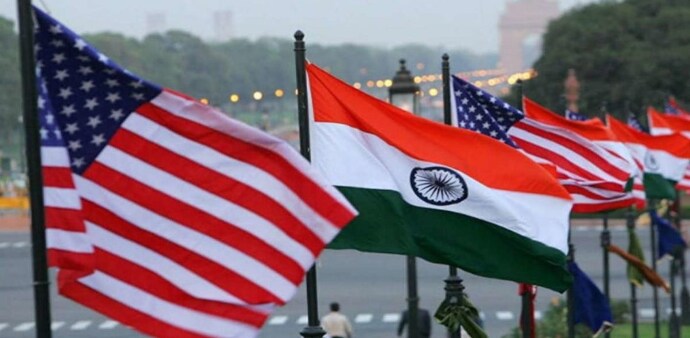
A fresh round of high-stakes trade negotiations between India and the United States is set to begin on April 20 in Washington, as both sides scramble to recalibrate the proposed Bilateral Trade Agreement (BTA) in response to a rapidly shifting tariff environment.
A delegation of around a dozen Indian officials, led by chief negotiator Darpan Jain, will engage US counterparts over three days, marking the first formal engagement since February’s planned talks were deferred. Officials from India’s commerce, customs, and external affairs ministries are part of the visiting team.
Tariff reset forces rethink
The negotiations come amid significant policy changes in Washington following a ruling by the US Supreme Court that struck down sweeping “reciprocal tariffs” introduced under the International Emergency Economic Powers Act by President Donald Trump.
In the aftermath, the Trump administration imposed a flat 10% tariff on all countries for 150 days starting February 24 — effectively reshaping the global trade landscape and eroding preferential advantages that countries like India were negotiating under the earlier framework.
“The agreement will have to be recalibrated, redrafted,” a government source said, underscoring the extent of revisions now required.
Framework under pressure
The original BTA framework, unveiled on February 7, envisioned a significant reduction in US tariffs on Indian goods — from as high as 50% to 18%. It also included the removal of a 25% penalty tariff linked to India’s purchase of Russian oil.
In return, India had offered sweeping concessions, including reducing or eliminating tariffs on US industrial goods and a broad basket of agricultural imports — ranging from tree nuts and fruits to soybean oil, wine, and spirits.
New Delhi had also signaled intent to purchase up to $500 billion worth of US goods over five years, including energy products, aircraft, technology, and coking coal — an ambitious commitment aimed at deepening economic ties.
However, with the US now applying a uniform tariff regime across trading partners, India’s earlier comparative advantage has diminished, prompting both sides to revisit the deal’s structure and benefits.
Trade disputes add complexity
Complicating the talks further are two ongoing investigations by the US Trade Representative under Section 301 of US trade law. India has firmly rejected the allegations, arguing that the probes lack a substantive basis and should be terminated.
These disputes are expected to feature prominently in the Washington discussions, potentially influencing the tone and trajectory of the negotiations.
Shifting trade dynamics
The talks also come at a time of changing global trade alignments. China has overtaken the US to become India’s largest trading partner in 2025-26, ending a four-year streak during which the US held the top spot.
While India’s exports to the US saw marginal growth of 0.92% to $87.3 billion last fiscal year, imports surged nearly 16% to $52.9 billion. This narrowed India’s trade surplus with the US to $34.4 billion, down from $40.89 billion the previous year.
With the BTA yet to be signed, Indian officials see an opportunity to reshape the deal before it is finalised.
A fresh round of high-stakes trade negotiations between India and the United States is set to begin on April 20 in Washington, as both sides scramble to recalibrate the proposed Bilateral Trade Agreement (BTA) in response to a rapidly shifting tariff environment.
A delegation of around a dozen Indian officials, led by chief negotiator Darpan Jain, will engage US counterparts over three days, marking the first formal engagement since February’s planned talks were deferred. Officials from India’s commerce, customs, and external affairs ministries are part of the visiting team.
Tariff reset forces rethink
The negotiations come amid significant policy changes in Washington following a ruling by the US Supreme Court that struck down sweeping “reciprocal tariffs” introduced under the International Emergency Economic Powers Act by President Donald Trump.
In the aftermath, the Trump administration imposed a flat 10% tariff on all countries for 150 days starting February 24 — effectively reshaping the global trade landscape and eroding preferential advantages that countries like India were negotiating under the earlier framework.
“The agreement will have to be recalibrated, redrafted,” a government source said, underscoring the extent of revisions now required.
Framework under pressure
The original BTA framework, unveiled on February 7, envisioned a significant reduction in US tariffs on Indian goods — from as high as 50% to 18%. It also included the removal of a 25% penalty tariff linked to India’s purchase of Russian oil.
In return, India had offered sweeping concessions, including reducing or eliminating tariffs on US industrial goods and a broad basket of agricultural imports — ranging from tree nuts and fruits to soybean oil, wine, and spirits.
New Delhi had also signaled intent to purchase up to $500 billion worth of US goods over five years, including energy products, aircraft, technology, and coking coal — an ambitious commitment aimed at deepening economic ties.
However, with the US now applying a uniform tariff regime across trading partners, India’s earlier comparative advantage has diminished, prompting both sides to revisit the deal’s structure and benefits.
Trade disputes add complexity
Complicating the talks further are two ongoing investigations by the US Trade Representative under Section 301 of US trade law. India has firmly rejected the allegations, arguing that the probes lack a substantive basis and should be terminated.
These disputes are expected to feature prominently in the Washington discussions, potentially influencing the tone and trajectory of the negotiations.
Shifting trade dynamics
The talks also come at a time of changing global trade alignments. China has overtaken the US to become India’s largest trading partner in 2025-26, ending a four-year streak during which the US held the top spot.
While India’s exports to the US saw marginal growth of 0.92% to $87.3 billion last fiscal year, imports surged nearly 16% to $52.9 billion. This narrowed India’s trade surplus with the US to $34.4 billion, down from $40.89 billion the previous year.
With the BTA yet to be signed, Indian officials see an opportunity to reshape the deal before it is finalised.