
India wants to secure more LPG from the US under annual contracts for 2027: Report
Earlier this year, India arranged its first-ever US term supplies, contracting about 2.2 million tonnes, which accounted for 10 per cent of its total LPG imports.
- Aug 13, 2026,
- Updated Aug 13, 2026 3:57 PM IST
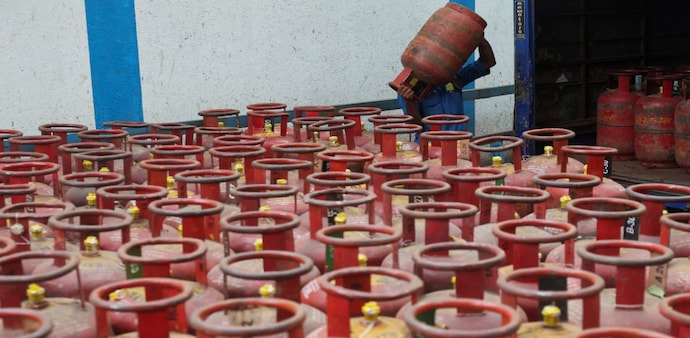
India's LPG imports: India is reportedly in discussions with the US to secure more liquefied petroleum gas (LPG) under annual contracts for 2027. As the world’s largest consumer of cooking fuel, India aims to diversify its supply sources and reduce dependence on the West Asia.
According to a report in Bloomberg that cited sources familiar with the matter, the government has directed state-owned refiners Indian Oil Corporation, Bharat Petroleum Corporation, and Hindustan Petroleum Corporation to source at least 15 per cent of India’s LPG imports for 2027 through US term contracts.
Earlier this year, India arranged its first-ever US term supplies, contracting about 2.2 million tonnes, which accounted for 10 per cent of its total LPG imports. Executives from the three refiners are currently in the US negotiating supply deals. This effort is intended to expand India’s supply options and help reduce its trade surplus with the US as New Delhi pursues a trade agreement with Washington.
The US has become India’s top LPG supplier, with shipments reaching a record 3.9 million tonnes through August this year. The three state refiners plan to issue a joint tender for US LPG after evaluating potential suppliers and offers, the report added.
The Trump administration has sought to increase energy exports to India, one of the world’s largest oil and gas importers. However, trade talks between Washington and New Delhi have continued since last year without reaching a deal.
India’s LPG supply outlook remains under pressure due to the impasse over the Strait of Hormuz and stalled US-Iran negotiations. LPG consumption fell more than 16% year-on-year to 2.35 million tonnes last month as shortages led households and industries to switch to piped natural gas and more polluting fuels such as biomass and kerosene.
The proposed increase in US term supplies could provide India with a broader source of cooking gas and reduce its exposure to supply disruptions in the West Asia.
India's LPG imports: India is reportedly in discussions with the US to secure more liquefied petroleum gas (LPG) under annual contracts for 2027. As the world’s largest consumer of cooking fuel, India aims to diversify its supply sources and reduce dependence on the West Asia.
According to a report in Bloomberg that cited sources familiar with the matter, the government has directed state-owned refiners Indian Oil Corporation, Bharat Petroleum Corporation, and Hindustan Petroleum Corporation to source at least 15 per cent of India’s LPG imports for 2027 through US term contracts.
Earlier this year, India arranged its first-ever US term supplies, contracting about 2.2 million tonnes, which accounted for 10 per cent of its total LPG imports. Executives from the three refiners are currently in the US negotiating supply deals. This effort is intended to expand India’s supply options and help reduce its trade surplus with the US as New Delhi pursues a trade agreement with Washington.
The US has become India’s top LPG supplier, with shipments reaching a record 3.9 million tonnes through August this year. The three state refiners plan to issue a joint tender for US LPG after evaluating potential suppliers and offers, the report added.
The Trump administration has sought to increase energy exports to India, one of the world’s largest oil and gas importers. However, trade talks between Washington and New Delhi have continued since last year without reaching a deal.
India’s LPG supply outlook remains under pressure due to the impasse over the Strait of Hormuz and stalled US-Iran negotiations. LPG consumption fell more than 16% year-on-year to 2.35 million tonnes last month as shortages led households and industries to switch to piped natural gas and more polluting fuels such as biomass and kerosene.
The proposed increase in US term supplies could provide India with a broader source of cooking gas and reduce its exposure to supply disruptions in the West Asia.