
India's moment is here, but cities are failing: Harsh Goenka on the micro crisis holding growth back
Goenka argued that while the country's macro fundamentals look strong, everyday governance failures threaten to slow momentum
- Jan 13, 2026,
- Updated Jan 13, 2026 9:04 PM IST
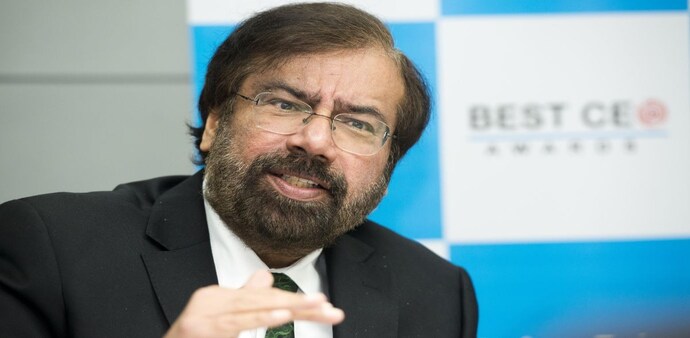
India may be entering a rare window of economic opportunity, but its biggest risks now lie closer to home -inside its cities. That warning was sounded on Tuesday by RPG Enterprises Chairman Harsh Goenka, who argued that while the country's macro fundamentals look strong, everyday governance failures threaten to slow momentum.
"India's moment is here. 7-8% GDP growth. Strong macros. Fiscal discipline. Stable politics. Right place. Right time. But our challenge isn’t macro- it's micro: Unliveable cities, slow justice, corruption, low R&D, weak negotiating leverage. Momentum needs reform on the ground," Goenka wrote on X.
In the last few years, several policymakers and industry leaders have flagged that India’s urban systems are not keeping pace with its economic ambitions.
Earlier, former NITI Aayog CEO Amitabh Kant warned that Indian cities are approaching a breaking point. In a LinkedIn post, Kant wrote: "Our cities are at a tipping point. Pollution, poor infrastructure & climate challenges threaten their future. State Govts need to act now. This requires bold urban reforms, smart planning & sustainable investments, we can transform them into world-class hubs. Indian cities can be our biggest growth driver."
Writing later in an opinion piece in The Indian Express, Kant expanded on the scale of the challenge. "Our cities are amongst the most polluted in the world. This is also not just about pollution. Indian cities struggle with climate change, poor infrastructure, and weak public services. By 2036, more than 600 million people will live in Indian cities - our cities are not ready for this growth. Roads are overcrowded, pollution is worsening, and essential services like water and sanitation are failing. Our cities are becoming unsafe and unliveable."
Kant argued that while Indian cities have immense potential, they continue to lag global peers. "Indian cities have immense potential but struggle to match global destinations like Bangkok, London, Dubai, and Singapore."
"Bangkok thrives on its efficient metro, vibrant street life, and tourist-friendly policies. London offers seamless public transport, green spaces, and cultural hubs. Dubai attracts business with world-class urban planning and investment incentives; Singapore leads in clean governance and smart city initiatives. To compete, Indian cities need bold urban reforms and world-class," he added.
In the last December, the former Niti Aayog CEO linked weak municipal governance directly to India’s struggle to become a global tourism hub. He said India could not attract high-value tourism without fixing cleanliness, safety, and civic administration.
"Singapore is just 750 kilometres. It's almost one-third the size of Delhi but attracts four times the number of tourists in Singapore, simply because of two things - safety and security, which is what Dubai also does. The second thing, which is even more important, is cleanliness. We must ensure that our roads etc are absolutely neat and clean, and tidy. If Indore can do it, if Mysore can do it, if Surat can do it, so can other cities."
Pointing to visible failures in the capital, Kant added, "You travel from the heart of Delhi to the airport, the roads on either side are littered with plastic. I don't know why Delhi can't do it. Mumbai has improved radically in terms of infrastructure, but other cities are doing it. So, you need at all the entry points a massive movement for cleanliness, which is what the prime minister had done, but we need to bring it back centre stage again."
India may be entering a rare window of economic opportunity, but its biggest risks now lie closer to home -inside its cities. That warning was sounded on Tuesday by RPG Enterprises Chairman Harsh Goenka, who argued that while the country's macro fundamentals look strong, everyday governance failures threaten to slow momentum.
"India's moment is here. 7-8% GDP growth. Strong macros. Fiscal discipline. Stable politics. Right place. Right time. But our challenge isn’t macro- it's micro: Unliveable cities, slow justice, corruption, low R&D, weak negotiating leverage. Momentum needs reform on the ground," Goenka wrote on X.
In the last few years, several policymakers and industry leaders have flagged that India’s urban systems are not keeping pace with its economic ambitions.
Earlier, former NITI Aayog CEO Amitabh Kant warned that Indian cities are approaching a breaking point. In a LinkedIn post, Kant wrote: "Our cities are at a tipping point. Pollution, poor infrastructure & climate challenges threaten their future. State Govts need to act now. This requires bold urban reforms, smart planning & sustainable investments, we can transform them into world-class hubs. Indian cities can be our biggest growth driver."
Writing later in an opinion piece in The Indian Express, Kant expanded on the scale of the challenge. "Our cities are amongst the most polluted in the world. This is also not just about pollution. Indian cities struggle with climate change, poor infrastructure, and weak public services. By 2036, more than 600 million people will live in Indian cities - our cities are not ready for this growth. Roads are overcrowded, pollution is worsening, and essential services like water and sanitation are failing. Our cities are becoming unsafe and unliveable."
Kant argued that while Indian cities have immense potential, they continue to lag global peers. "Indian cities have immense potential but struggle to match global destinations like Bangkok, London, Dubai, and Singapore."
"Bangkok thrives on its efficient metro, vibrant street life, and tourist-friendly policies. London offers seamless public transport, green spaces, and cultural hubs. Dubai attracts business with world-class urban planning and investment incentives; Singapore leads in clean governance and smart city initiatives. To compete, Indian cities need bold urban reforms and world-class," he added.
In the last December, the former Niti Aayog CEO linked weak municipal governance directly to India’s struggle to become a global tourism hub. He said India could not attract high-value tourism without fixing cleanliness, safety, and civic administration.
"Singapore is just 750 kilometres. It's almost one-third the size of Delhi but attracts four times the number of tourists in Singapore, simply because of two things - safety and security, which is what Dubai also does. The second thing, which is even more important, is cleanliness. We must ensure that our roads etc are absolutely neat and clean, and tidy. If Indore can do it, if Mysore can do it, if Surat can do it, so can other cities."
Pointing to visible failures in the capital, Kant added, "You travel from the heart of Delhi to the airport, the roads on either side are littered with plastic. I don't know why Delhi can't do it. Mumbai has improved radically in terms of infrastructure, but other cities are doing it. So, you need at all the entry points a massive movement for cleanliness, which is what the prime minister had done, but we need to bring it back centre stage again."