
Indore water crisis: How India’s cleanest city was hit by a deadly diarrhoea outbreak
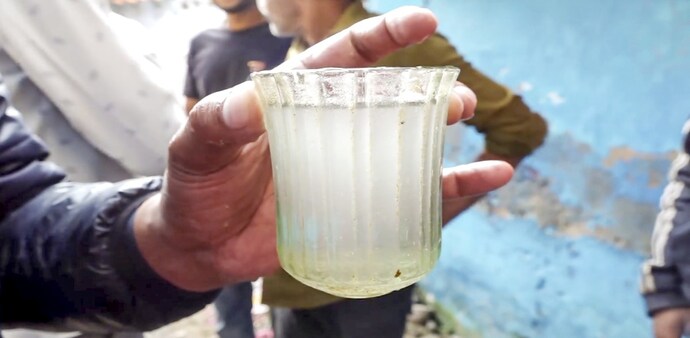
What started as complaints about foul-smelling, discoloured water soon escalated into mass hospitalisations and multiple deaths, exposing serious gaps in urban water safety infrastructure.
- Jan 2, 2026,
- Updated Jan 2, 2026 3:00 PM IST
Indore, a city repeatedly ranked as India’s cleanest, began 2026 grappling with a severe public health crisis after contaminated municipal drinking water triggered a large diarrhoea outbreak in the Bhagirathpura locality. What started as complaints about foul-smelling, discoloured water soon escalated into mass hospitalisations and multiple deaths, exposing serious gaps in urban water safety infrastructure.
What happened in Indore?
Residents of Bhagirathpura, a densely populated neighbourhood with around 15,000 people, reported that tap water had an unusual smell, bitter taste and visible discoloration in mid-December 2025. Despite repeated complaints to civic authorities, water supply continued.
Within days, people who consumed the water began falling ill with vomiting, diarrhoea, dehydration and fever — classic symptoms of waterborne disease. Hospitals and clinics soon saw a surge in patients, prompting emergency health surveys and investigations.
Laboratory tests later confirmed that the municipal drinking water was contaminated due to a leakage in a pipeline, allowing sewage to mix with potable water.
How many are affected?
- Over 1,400 people have reportedly fallen ill
- At least four deaths have been officially confirmed by the health department
- The Indore mayor has said he received information about 10 deaths
- Local residents claim the toll is as high as 14, including a six-month-old infant
Authorities have not yet confirmed the higher figures. The conflicting numbers have raised concerns about transparency and crisis management.
What caused the contamination?
According to Indore’s Chief Medical and Health Officer (CMHO), laboratory analysis confirmed bacterial contamination caused by a leakage in a drinking water pipeline in Bhagirathpura. Early assessments indicate that sewage water entered the drinking supply due to infrastructure failure.
This kind of contamination is particularly dangerous because it can spread rapidly in densely populated areas where residents depend entirely on municipal water.
Unsafe drinking water is a major global public health risk. The World Health Organization (WHO) warns that contaminated water can cause life-threatening diseases such as:
- Acute bacterial gastroenteritis
- Cholera
- Typhoid
- Dysentery
In Indore’s case, the outbreak highlights how even cities with strong sanitation rankings remain vulnerable if water supply systems are poorly maintained or insufficiently monitored.
How the crisis unfolded
- Mid-December 2025: Residents notice foul-smelling, discoloured tap water; complaints ignored
- December 25: Bitter taste reported; water continues to be used due to lack of alternatives
- December 27-28: First cases of vomiting and diarrhoea emerge
- December 29: Deaths linked to diarrhoea reported; hospital visits spike
- December 30: Over 1,100 people fall ill; admissions cross 100
- December 31: Conflicting death counts emerge; infant death reported; compensation announced
- January 1-2, 2026: Lab tests confirm contamination; pipeline repaired and isolated
Several civic officials, including engineers and zonal officers, were suspended or dismissed for lapses in oversight.
What are the symptoms?
Common symptoms include:
- Vomiting and nausea
- Watery or bloody diarrhoea
- Stomach cramps
- Fever and chills
- Severe dehydration
- Weakness and fatigue
These symptoms are consistent with bacterial infections caused by pathogens such as E. coli, Salmonella and Shigella.
Who is most at risk?
- Infants and young children
- Elderly people
- Individuals with weak immunity
- Those with chronic illnesses
These groups are more likely to suffer severe dehydration and complications, making early treatment critical.
How can people protect themselves?
Health agencies like WHO and CDC recommend:
Safe water practices
- Boil drinking water for at least one minute
- Use certified water filters
- Switch to bottled water if supply is unsafe
- Hygiene Measures
- Wash hands with soap before eating or cooking
- Use chlorine tablets or purification agents
When to seek medical help
- High fever
- Blood in stool
- Persistent vomiting
- Signs of severe dehydration
Why this crisis matters
The Indore outbreak shows how quickly contaminated drinking water can turn into a deadly emergency — even in cities celebrated for cleanliness. A single infrastructure failure, combined with delayed response, resulted in hundreds of illnesses and multiple deaths.
The episode underscores the urgent need for regular water quality testing, proactive infrastructure maintenance, and faster civic response to early warning signs. As authorities promise stricter monitoring, the crisis stands as a cautionary tale for urban centres across India.
Indore, a city repeatedly ranked as India’s cleanest, began 2026 grappling with a severe public health crisis after contaminated municipal drinking water triggered a large diarrhoea outbreak in the Bhagirathpura locality. What started as complaints about foul-smelling, discoloured water soon escalated into mass hospitalisations and multiple deaths, exposing serious gaps in urban water safety infrastructure.
What happened in Indore?
Residents of Bhagirathpura, a densely populated neighbourhood with around 15,000 people, reported that tap water had an unusual smell, bitter taste and visible discoloration in mid-December 2025. Despite repeated complaints to civic authorities, water supply continued.
Within days, people who consumed the water began falling ill with vomiting, diarrhoea, dehydration and fever — classic symptoms of waterborne disease. Hospitals and clinics soon saw a surge in patients, prompting emergency health surveys and investigations.
Laboratory tests later confirmed that the municipal drinking water was contaminated due to a leakage in a pipeline, allowing sewage to mix with potable water.
How many are affected?
- Over 1,400 people have reportedly fallen ill
- At least four deaths have been officially confirmed by the health department
- The Indore mayor has said he received information about 10 deaths
- Local residents claim the toll is as high as 14, including a six-month-old infant
Authorities have not yet confirmed the higher figures. The conflicting numbers have raised concerns about transparency and crisis management.
What caused the contamination?
According to Indore’s Chief Medical and Health Officer (CMHO), laboratory analysis confirmed bacterial contamination caused by a leakage in a drinking water pipeline in Bhagirathpura. Early assessments indicate that sewage water entered the drinking supply due to infrastructure failure.
This kind of contamination is particularly dangerous because it can spread rapidly in densely populated areas where residents depend entirely on municipal water.
Unsafe drinking water is a major global public health risk. The World Health Organization (WHO) warns that contaminated water can cause life-threatening diseases such as:
- Acute bacterial gastroenteritis
- Cholera
- Typhoid
- Dysentery
In Indore’s case, the outbreak highlights how even cities with strong sanitation rankings remain vulnerable if water supply systems are poorly maintained or insufficiently monitored.
How the crisis unfolded
- Mid-December 2025: Residents notice foul-smelling, discoloured tap water; complaints ignored
- December 25: Bitter taste reported; water continues to be used due to lack of alternatives
- December 27-28: First cases of vomiting and diarrhoea emerge
- December 29: Deaths linked to diarrhoea reported; hospital visits spike
- December 30: Over 1,100 people fall ill; admissions cross 100
- December 31: Conflicting death counts emerge; infant death reported; compensation announced
- January 1-2, 2026: Lab tests confirm contamination; pipeline repaired and isolated
Several civic officials, including engineers and zonal officers, were suspended or dismissed for lapses in oversight.
What are the symptoms?
Common symptoms include:
- Vomiting and nausea
- Watery or bloody diarrhoea
- Stomach cramps
- Fever and chills
- Severe dehydration
- Weakness and fatigue
These symptoms are consistent with bacterial infections caused by pathogens such as E. coli, Salmonella and Shigella.
Who is most at risk?
- Infants and young children
- Elderly people
- Individuals with weak immunity
- Those with chronic illnesses
These groups are more likely to suffer severe dehydration and complications, making early treatment critical.
How can people protect themselves?
Health agencies like WHO and CDC recommend:
Safe water practices
- Boil drinking water for at least one minute
- Use certified water filters
- Switch to bottled water if supply is unsafe
- Hygiene Measures
- Wash hands with soap before eating or cooking
- Use chlorine tablets or purification agents
When to seek medical help
- High fever
- Blood in stool
- Persistent vomiting
- Signs of severe dehydration
Why this crisis matters
The Indore outbreak shows how quickly contaminated drinking water can turn into a deadly emergency — even in cities celebrated for cleanliness. A single infrastructure failure, combined with delayed response, resulted in hundreds of illnesses and multiple deaths.
The episode underscores the urgent need for regular water quality testing, proactive infrastructure maintenance, and faster civic response to early warning signs. As authorities promise stricter monitoring, the crisis stands as a cautionary tale for urban centres across India.