
'Interferes with the fundamental rights': Delhi HC squashes petition seeking derecognition of Owaisi's AIMIM
The petition, filed in 2018 by Tirupati Narasimha Murari, a member of the undivided Shiv Sena, alleged that AIMIM’s constitution served the interests of a single religious community—Muslims.
- Nov 21, 2024,
- Updated Nov 21, 2024 3:17 PM IST
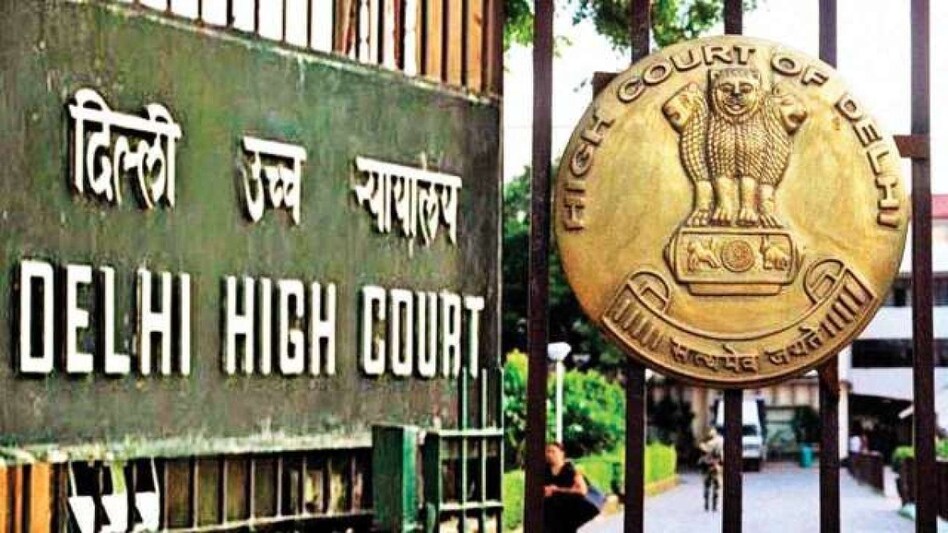
The Delhi High Court on Wednesday rejected a plea seeking the deregistration and derecognition of the All India Majlis-e-Ittehadul Muslimeen (AIMIM) by the Election Commission of India (ECI). The court observed that such a move would infringe on the fundamental rights of AIMIM members to form and operate as a political party. Justice Prateek Jalan, presiding over the case, ruled that the relief sought was beyond the jurisdiction of the ECI.
The petition, filed in 2018 by Tirupati Narasimha Murari, a member of the undivided Shiv Sena, alleged that AIMIM’s constitution served the interests of a single religious community—Muslims—and contravened the principles of secularism mandated by the Constitution and the Representation of the People Act. Murari argued that such alleged communal objectives violated the democratic and secular framework required for the recognition of political parties.
However, the court found no merit in the petition, citing that AIMIM had complied with the requirements under Section 29A of the Representation of the People Act. This section mandates that a political party’s constitutional documents affirm faith in the principles of socialism, secularism, and democracy. The court noted that AIMIM had amended its constitution as required by the Act and included a declaration of allegiance to these constitutional values.
“The petitioner’s arguments interfere with the fundamental rights of AIMIM members to form a political party and express their political beliefs,” Justice Jalan stated in the judgment, adding that such interference cannot be justified. He further emphasized that the ECI has no authority to deregister a political party based on its political or ideological inclinations, as long as the statutory conditions under the law are met.
The court also highlighted AIMIM’s compliance history, pointing out that the party had submitted a letter in August 1989 as part of its application for registration, explicitly addressing the requirements under Section 29A. The ECI had approved AIMIM's registration in 1992, and it gained recognition as a state party in Telangana in 2014.
The ruling underscores the judicial commitment to upholding the democratic right to political expression while ensuring adherence to constitutional values, a balance central to the functioning of India’s electoral framework.
The Delhi High Court on Wednesday rejected a plea seeking the deregistration and derecognition of the All India Majlis-e-Ittehadul Muslimeen (AIMIM) by the Election Commission of India (ECI). The court observed that such a move would infringe on the fundamental rights of AIMIM members to form and operate as a political party. Justice Prateek Jalan, presiding over the case, ruled that the relief sought was beyond the jurisdiction of the ECI.
The petition, filed in 2018 by Tirupati Narasimha Murari, a member of the undivided Shiv Sena, alleged that AIMIM’s constitution served the interests of a single religious community—Muslims—and contravened the principles of secularism mandated by the Constitution and the Representation of the People Act. Murari argued that such alleged communal objectives violated the democratic and secular framework required for the recognition of political parties.
However, the court found no merit in the petition, citing that AIMIM had complied with the requirements under Section 29A of the Representation of the People Act. This section mandates that a political party’s constitutional documents affirm faith in the principles of socialism, secularism, and democracy. The court noted that AIMIM had amended its constitution as required by the Act and included a declaration of allegiance to these constitutional values.
“The petitioner’s arguments interfere with the fundamental rights of AIMIM members to form a political party and express their political beliefs,” Justice Jalan stated in the judgment, adding that such interference cannot be justified. He further emphasized that the ECI has no authority to deregister a political party based on its political or ideological inclinations, as long as the statutory conditions under the law are met.
The court also highlighted AIMIM’s compliance history, pointing out that the party had submitted a letter in August 1989 as part of its application for registration, explicitly addressing the requirements under Section 29A. The ECI had approved AIMIM's registration in 1992, and it gained recognition as a state party in Telangana in 2014.
The ruling underscores the judicial commitment to upholding the democratic right to political expression while ensuring adherence to constitutional values, a balance central to the functioning of India’s electoral framework.