
‘Intervention only in extraordinary cases’: Ram Mohan Naidu cautions against blanket airfare caps
He emphasized that deregulation is fundamental to attracting more players into the sector. “If we want the civil aviation sector to grow, the first and foremost requirement is to keep it deregulatory.”
- Dec 12, 2025,
- Updated Dec 12, 2025 7:57 PM IST
With air travellers facing unusually high fares in recent months, the Centre on December 12 reaffirmed that it holds the exclusive authority to regulate airfares in exceptional situations but stressed that any intervention must be judicious and sparingly used.
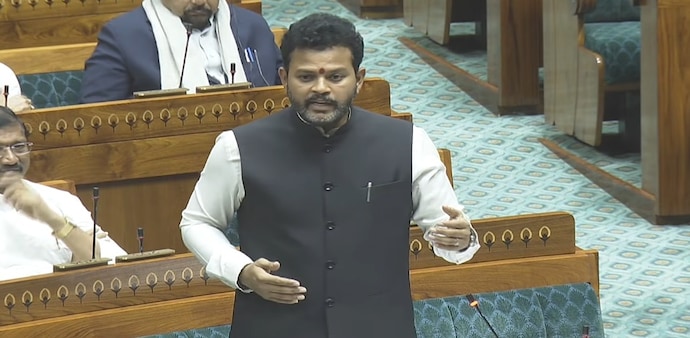
Civil Aviation Minister K Ram Mohan Naidu, responding to a private member’s resolution in the Lok Sabha, said that while concerns over rising airfares were valid, blanket price caps could harm the long-term health of India’s aviation sector.
Naidu reiterated that India’s aviation ecosystem is highly complex, with multiple operational and financial layers. A thriving industry requires airlines to remain viable — something rigid price controls could jeopardize.
“Airfares spike during festive seasons or travel rush, but the market remains largely deregulated, and that has benefited consumers by boosting competition,” Naidu said.
He emphasized that deregulation is fundamental to attracting more players into the sector. “If we want the civil aviation sector to grow, the first and foremost requirement is to keep it deregulatory.”
Despite championing free-market dynamics, Naidu clarified that the government is not powerless.
“In extraordinary circumstances, we do have the exclusive power to cap airfares if they rise beyond normal and become abnormal,” he said — a reference to the distance-based fare cap the government temporarily imposed earlier this month following IndiGo’s widespread flight disruptions.
However, he argued that airfares in India remain broadly aligned with global benchmarks, cautioning against frequent intervention that could distort the market.
Naidu pointed to a structural challenge hampering the sector: a severe shortage of aircraft.
Indian airlines currently have over 1,700 aircraft on order, but delivery timelines have been hit by global supply chain breakdowns. To overcome this constraint, the government is exploring domestic aircraft manufacturing.
“We are not going to wait for aircraft to be built abroad,” Naidu said, confirming talks with Russia’s Sukhoi over the SJ-100 regional jet and ongoing discussions with Brazil’s Embraer. “We are encouraging them to come to India and manufacture here.”
Opposition members accused airlines of exploiting deregulation to impose steep and often unpredictable fares.
Congress MP Varsha Gaikwad said air travel had turned from a convenience to a financial strain. “A ticket that once cost ₹5,000-6,000 now costs ₹25,000-30,000, with hidden charges added,” she said, pointing to increasing monopolistic behaviour.
Samajwadi Party MP Ramashankar Rajbhar echoed the concern, warning that consolidation among airlines had enabled arbitrary pricing. “When a few companies control operations, they set fares according to their will,” he said.
While acknowledging the public’s concerns, Naidu said the government would continue to monitor airfare trends closely and intervene only when necessary. The goal, he stressed, is to strike a balance between consumer protection and airline sustainability.
With air travellers facing unusually high fares in recent months, the Centre on December 12 reaffirmed that it holds the exclusive authority to regulate airfares in exceptional situations but stressed that any intervention must be judicious and sparingly used.
Civil Aviation Minister K Ram Mohan Naidu, responding to a private member’s resolution in the Lok Sabha, said that while concerns over rising airfares were valid, blanket price caps could harm the long-term health of India’s aviation sector.
Naidu reiterated that India’s aviation ecosystem is highly complex, with multiple operational and financial layers. A thriving industry requires airlines to remain viable — something rigid price controls could jeopardize.
“Airfares spike during festive seasons or travel rush, but the market remains largely deregulated, and that has benefited consumers by boosting competition,” Naidu said.
He emphasized that deregulation is fundamental to attracting more players into the sector. “If we want the civil aviation sector to grow, the first and foremost requirement is to keep it deregulatory.”
Despite championing free-market dynamics, Naidu clarified that the government is not powerless.
“In extraordinary circumstances, we do have the exclusive power to cap airfares if they rise beyond normal and become abnormal,” he said — a reference to the distance-based fare cap the government temporarily imposed earlier this month following IndiGo’s widespread flight disruptions.
However, he argued that airfares in India remain broadly aligned with global benchmarks, cautioning against frequent intervention that could distort the market.
Naidu pointed to a structural challenge hampering the sector: a severe shortage of aircraft.
Indian airlines currently have over 1,700 aircraft on order, but delivery timelines have been hit by global supply chain breakdowns. To overcome this constraint, the government is exploring domestic aircraft manufacturing.
“We are not going to wait for aircraft to be built abroad,” Naidu said, confirming talks with Russia’s Sukhoi over the SJ-100 regional jet and ongoing discussions with Brazil’s Embraer. “We are encouraging them to come to India and manufacture here.”
Opposition members accused airlines of exploiting deregulation to impose steep and often unpredictable fares.
Congress MP Varsha Gaikwad said air travel had turned from a convenience to a financial strain. “A ticket that once cost ₹5,000-6,000 now costs ₹25,000-30,000, with hidden charges added,” she said, pointing to increasing monopolistic behaviour.
Samajwadi Party MP Ramashankar Rajbhar echoed the concern, warning that consolidation among airlines had enabled arbitrary pricing. “When a few companies control operations, they set fares according to their will,” he said.
While acknowledging the public’s concerns, Naidu said the government would continue to monitor airfare trends closely and intervene only when necessary. The goal, he stressed, is to strike a balance between consumer protection and airline sustainability.