
Iran allows Indian ships through Hormuz, exempts 3 other countries
According to the Iranian official, allowing Indian vessels to pass through the strait would help Tehran import medicines from India
- Nov 4, 2026,
- Updated Nov 4, 2026 8:18 PM IST
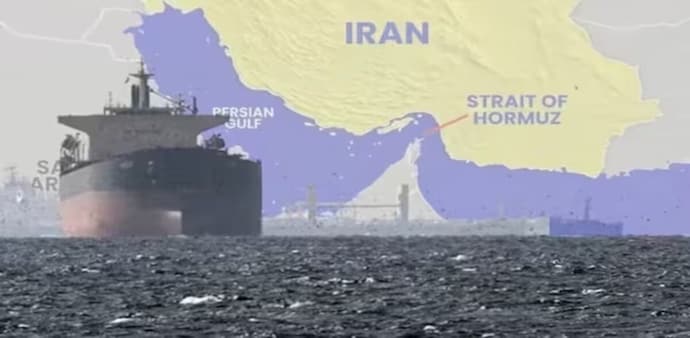
Iran has exempted commercial ships from India, China, Iraq, and Qatar from transit restrictions in the Strait of Hormuz. Tehran has allowed vessels from these countries to pass through the strategic waterway amid continued attacks on commercial shipping.
Amir Hayat Moghadam, Deputy Chairman of the Iranian Parliament's National Security and Foreign Policy Committee, announced the exemptions in an interview with the Iranian Students' News Agency (ISNA) on Tuesday.
"We have currently exempted four countries - India, China, Iraq and Qatar - from transit restrictions in the Strait of Hormuz. Ships from these countries pass freely, and the Americans do not intercept them either," he said.
Read More: 'Saving lives beyond borders': Iran thanks India for rescuing 20 sailors from Somali pirates
Moghadam said the decision was driven by Iran's interests and its relationships with the four countries.
According to the Iranian official, allowing Indian vessels to pass through the strait would help Tehran import medicines from India. The exemption for Chinese ships was intended to secure Beijing's political support.
However, the exemptions do not necessarily mean passage is free of charge. Moghadam said Iran collects transit fees from Indian and Chinese vessels, while Qatari ships are allowed through without charges, according to reports.
Shipping disrupted since February
The Strait of Hormuz, which connects the Persian Gulf with the Gulf of Oman, normally handles roughly 20% of global energy supplies.
Shipping through the waterway has been severely disrupted since February 28, when the United States and Israel launched joint attacks on Iran, triggering retaliatory strikes.
Iran subsequently imposed restrictions on shipping through the strait, allowing only selected vessels to pass. Washington later imposed a naval blockade on Iranian ports.
The announcement comes amid continuing threats to commercial vessels in the region.
At least 15 Indian seafarers have been killed in attacks on ships since the conflict began in February.
In the latest incident, an Indian sailor was killed on Monday evening when the commercial vessel MSV Al Jusufi was attacked near Limah in Oman.
India has repeatedly called for dialogue and diplomacy to resolve the conflict.
New Delhi has described attacks on commercial shipping as "deeply concerning" and called for an end to the targeting of civilian infrastructure and vessels.
India has also demanded the restoration of free and unimpeded navigation through international waterways in accordance with international law.