
Iran War: India to procure five more Russian S-400s after Op Sindoor success
The move aims to strengthen India’s layered air defence network along both eastern and western fronts and address evolving aerial threats in the region.
- Mar 4, 2026,
- Updated Mar 4, 2026 9:35 AM IST
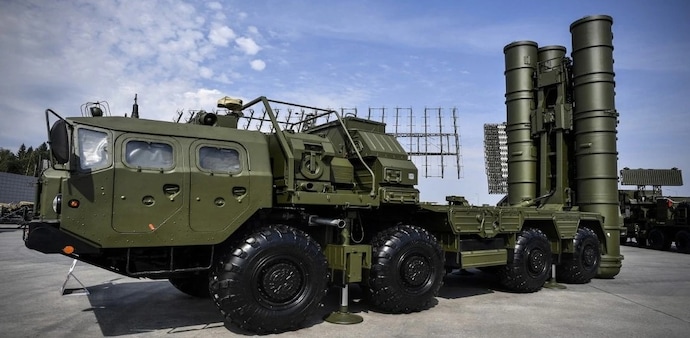
India is set to procure five additional squadrons of the Russian S-400 air defence missile system, according to Defence Ministry sources. The decision follows the S-400's performance during Operation Sindoor last year, where it successfully intercepted multiple Pakistani aircraft and missiles.
The move aims to strengthen India’s layered air defence network along both eastern and western fronts and address evolving aerial threats in the region. Five new squadrons are expected to be deployed after government clearance, with discussions with Russia already underway.
India currently operates three S-400 systems, with two more scheduled for delivery this year under an agreement signed in 2018. The forthcoming procurement will add to this arsenal and enhance the country’s preparedness against potential missile and air attacks. The Air Force is seeking to expand its stockpile of S-400 interceptors, with a fresh tender expected soon.
Defence Ministry sources said a proposal from the Indian Air Force to acquire five more squadrons of the S-400, also known as Sudarshan Chakra, will soon be taken up for clearance.
During Operation Sindoor, the S-400 system was credited by the Air Force with preventing Pakistani fighter jets, airborne early warning aircraft and electronic intelligence platforms from operating effectively on May 10 last year, when Indian forces targeted airbases, radar installations and command-and-control centres across the border.
Officials said the Sudarshan Chakra also intercepted cruise and ballistic missiles launched from Pakistan during the four-day confrontation.
The contrast with Pakistan’s deployment of Chinese-origin HQ-9 air defence systems has drawn attention. Indian officials claim these systems were unable to effectively counter Indian air operations targeting terror infrastructure. The HQ-9 system has faced criticism in other global conflict zones, intensifying comparisons with the S-400.
Recent regional instability, marked by the US-Israeli Operation Fury and retaliatory strikes by Iran, has heightened focus on air defence. The S-400’s expanded deployment is seen as a step towards addressing these emerging security challenges on multiple fronts.
Alongside these foreign procurements, the Defence Research and Development Organisation (DRDO) is advancing Project Kusha, an indigenous long-range air defence system, to reinforce self-reliance in critical defence technologies.
India is set to procure five additional squadrons of the Russian S-400 air defence missile system, according to Defence Ministry sources. The decision follows the S-400's performance during Operation Sindoor last year, where it successfully intercepted multiple Pakistani aircraft and missiles.
The move aims to strengthen India’s layered air defence network along both eastern and western fronts and address evolving aerial threats in the region. Five new squadrons are expected to be deployed after government clearance, with discussions with Russia already underway.
India currently operates three S-400 systems, with two more scheduled for delivery this year under an agreement signed in 2018. The forthcoming procurement will add to this arsenal and enhance the country’s preparedness against potential missile and air attacks. The Air Force is seeking to expand its stockpile of S-400 interceptors, with a fresh tender expected soon.
Defence Ministry sources said a proposal from the Indian Air Force to acquire five more squadrons of the S-400, also known as Sudarshan Chakra, will soon be taken up for clearance.
During Operation Sindoor, the S-400 system was credited by the Air Force with preventing Pakistani fighter jets, airborne early warning aircraft and electronic intelligence platforms from operating effectively on May 10 last year, when Indian forces targeted airbases, radar installations and command-and-control centres across the border.
Officials said the Sudarshan Chakra also intercepted cruise and ballistic missiles launched from Pakistan during the four-day confrontation.
The contrast with Pakistan’s deployment of Chinese-origin HQ-9 air defence systems has drawn attention. Indian officials claim these systems were unable to effectively counter Indian air operations targeting terror infrastructure. The HQ-9 system has faced criticism in other global conflict zones, intensifying comparisons with the S-400.
Recent regional instability, marked by the US-Israeli Operation Fury and retaliatory strikes by Iran, has heightened focus on air defence. The S-400’s expanded deployment is seen as a step towards addressing these emerging security challenges on multiple fronts.
Alongside these foreign procurements, the Defence Research and Development Organisation (DRDO) is advancing Project Kusha, an indigenous long-range air defence system, to reinforce self-reliance in critical defence technologies.