
EAM S Jaishankar to attend Khaleda Zia's funeral amid strained India-Bangladesh ties
Zia's death comes at a politically sensitive moment for Bangladesh, where the interim administration led by Muhammad Yunus has overseen a sharp downturn in ties with India.
- Dec 30, 2025,
- Updated Dec 30, 2025 5:56 PM IST
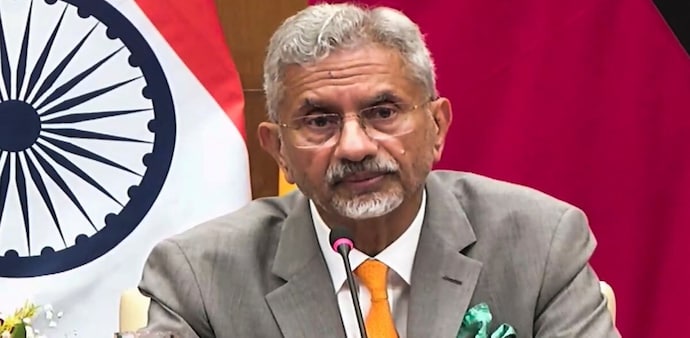
External Affairs Minister S Jaishankar will travel to Dhaka to attend the funeral of Khaleda Zia, BNP leader and Bangladesh's first woman prime minister, in a move being closely watched amid strained India-Bangladesh relations.
Zia, a three-time prime minister and chairperson of the Bangladesh Nationalist Party (BNP), died early Tuesday while undergoing treatment at a hospital in Dhaka. She was 80. Her funeral will be held on Wednesday after Zohr prayers at Parliament’s South Plaza and the adjoining Manik Mia Avenue, Law Advisor Asif Nazrul said. She will later be laid to rest with full state honours beside the grave of her husband, former president and BNP founder Ziaur Rahman, at Zia Udyan in Sher-e-Bangla Nagar.
Prime Minister Narendra Modi expressed deep sadness over her death, recalling their past interactions and her role in Bangladesh's political journey. "Deeply saddened to learn about the passing away of former Prime Minister and BNP Chairperson Begum Khaleda Zia in Dhaka. Our sincerest condolences to her family and all the people of Bangladesh," Modi wrote on X. "I recall my warm meeting with her in Dhaka in 2015. We hope that her vision and legacy will continue to guide our partnership. May her soul rest in peace."
Zia's death comes at a politically sensitive moment for Bangladesh, where the interim administration led by Muhammad Yunus has overseen a sharp downturn in ties with India. With the Awami League disbanded following the ouster of former prime minister Sheikh Hasina, the BNP has emerged as the frontrunner in the February 12 general election. The party has said that if Zia had been physically well, she would have been its prime ministerial candidate; otherwise, her elder son and BNP acting chairman Tarique Rahman is the nominee.
In a condolence message posted on the Awami League’s X account, her long-time rival Sheikh Hasina, currently in exile in India, described Zia as a significant figure in Bangladesh's political history. "As the first woman prime minister of Bangladesh, and for her role in the struggle to establish democracy, her contributions to the nation were significant and will be remembered," Hasina said.
Born on August 15, 1946, in Dinajpur district in undivided India, Zia entered politics following the assassination of her husband, President Ziaur Rahman, in an abortive army coup in 1981. Widowed at 35, she rose rapidly within the BNP, becoming its chairperson in 1984 and remaining in the post until her death. After leading the movement against military ruler H M Ershad, she became Bangladesh’s first woman prime minister in 1991, following the restoration of parliamentary democracy, and later served two more terms.
Her four-decade political career was marked by dramatic highs and lows - from electoral dominance and coalition politics to corruption convictions and a presidential pardon. Despite the controversies, her electoral record remained formidable. “She was elected in five separate parliamentary constituencies in the elections of 1991, 1996 and 2001, while in 2008, she won in all three constituencies from where she contested,” a BNP leader said.
(With inputs from PTI)
External Affairs Minister S Jaishankar will travel to Dhaka to attend the funeral of Khaleda Zia, BNP leader and Bangladesh's first woman prime minister, in a move being closely watched amid strained India-Bangladesh relations.
Zia, a three-time prime minister and chairperson of the Bangladesh Nationalist Party (BNP), died early Tuesday while undergoing treatment at a hospital in Dhaka. She was 80. Her funeral will be held on Wednesday after Zohr prayers at Parliament’s South Plaza and the adjoining Manik Mia Avenue, Law Advisor Asif Nazrul said. She will later be laid to rest with full state honours beside the grave of her husband, former president and BNP founder Ziaur Rahman, at Zia Udyan in Sher-e-Bangla Nagar.
Prime Minister Narendra Modi expressed deep sadness over her death, recalling their past interactions and her role in Bangladesh's political journey. "Deeply saddened to learn about the passing away of former Prime Minister and BNP Chairperson Begum Khaleda Zia in Dhaka. Our sincerest condolences to her family and all the people of Bangladesh," Modi wrote on X. "I recall my warm meeting with her in Dhaka in 2015. We hope that her vision and legacy will continue to guide our partnership. May her soul rest in peace."
Zia's death comes at a politically sensitive moment for Bangladesh, where the interim administration led by Muhammad Yunus has overseen a sharp downturn in ties with India. With the Awami League disbanded following the ouster of former prime minister Sheikh Hasina, the BNP has emerged as the frontrunner in the February 12 general election. The party has said that if Zia had been physically well, she would have been its prime ministerial candidate; otherwise, her elder son and BNP acting chairman Tarique Rahman is the nominee.
In a condolence message posted on the Awami League’s X account, her long-time rival Sheikh Hasina, currently in exile in India, described Zia as a significant figure in Bangladesh's political history. "As the first woman prime minister of Bangladesh, and for her role in the struggle to establish democracy, her contributions to the nation were significant and will be remembered," Hasina said.
Born on August 15, 1946, in Dinajpur district in undivided India, Zia entered politics following the assassination of her husband, President Ziaur Rahman, in an abortive army coup in 1981. Widowed at 35, she rose rapidly within the BNP, becoming its chairperson in 1984 and remaining in the post until her death. After leading the movement against military ruler H M Ershad, she became Bangladesh’s first woman prime minister in 1991, following the restoration of parliamentary democracy, and later served two more terms.
Her four-decade political career was marked by dramatic highs and lows - from electoral dominance and coalition politics to corruption convictions and a presidential pardon. Despite the controversies, her electoral record remained formidable. “She was elected in five separate parliamentary constituencies in the elections of 1991, 1996 and 2001, while in 2008, she won in all three constituencies from where she contested,” a BNP leader said.
(With inputs from PTI)