
Japan may use Indian test sites to train with long-range missiles, drones
India, with its established missile-testing infrastructure and access to extensive coastal and maritime areas, could offer an alternative for certain training activities
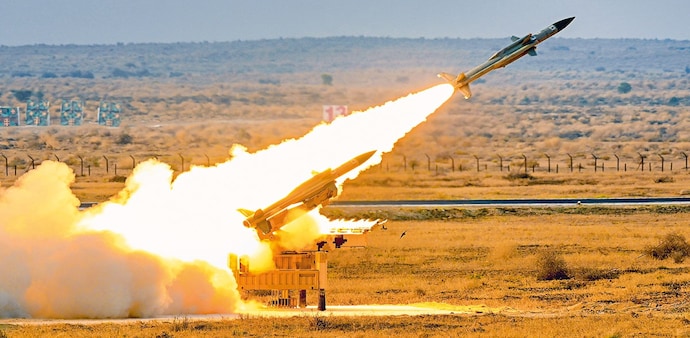
- Oct 28, 2026,
- Updated Oct 28, 2026 7:01 PM IST
Japan has sent military officials to India to explore the possibility of using Indian missile testing ranges for training with long-range weapons and small attack drones, The Japan Times reported on Tuesday.
The move signals a potential expansion of defence cooperation between the two countries.
The Japanese Ground Self-Defense Force (GSDF) is examining overseas training options to address the challenges of operating missiles with extended ranges. The development comes as Japan strengthens its stand-off defence capabilities.
According to the report, GSDF Chief of Staff General Masayoshi Arai confirmed that officials had been sent to India to discuss possible arrangements. The discussions include training involving surface-to-ship missiles and small attack drones, although no final decision has been announced.
Arai said the challenge lies in finding suitable locations to train with long-range weapons and make effective use of their capabilities.
“We are currently examining this issue, including how to secure training environments domestically and, if necessary, how to utilise training environments overseas,” Arai said.
Why Japan is looking at India
Japan's newly deployed Type 25 surface-to-ship missile is reported to have a range of approximately 1,000 kilometres. Training with weapons of this range requires extensive firing areas and appropriate safety arrangements, which can be difficult to secure within Japan.
India, with its established missile-testing infrastructure and access to extensive coastal and maritime areas, could offer an alternative for certain training activities. However, the discussions remain exploratory, and the specific Indian facility that could be used has not been officially identified.
The Japanese delegation is also examining the possibility of training with small attack drones. According to Arai, such exercises involve challenges related to radio frequencies, suitable locations, operational requirements and safety management.
India-Japan defence cooperation
Arai described India as an important partner in the Indo-Pacific region, highlighting the significance of closer defence engagement amid an increasingly complex security environment.
ALSO READ: 4 launch pads by 2029: ISRO lays out India’s next big space expansion plan
“India is an important partner in the Indo-Pacific region, and we recognise the importance of promoting various forms of defence cooperation and exchanges amid an increasingly severe and complex security environment,” he said.
India and Japan already maintain defence ties and participate in multilateral security cooperation through platforms such as the Quad, alongside the United States and Australia.
Access to Indian training facilities could provide Japan with additional options as it develops its long-range military capabilities, while potentially creating new avenues for bilateral defence cooperation.