
Karnataka High Court lifts bike taxi ban, quashes Siddaramaiah govt decision
The government had imposed a blanket ban in June last year, declaring bike taxi platforms illegal due to the absence of a regulatory framework.
- Jan 23, 2026,
- Updated Jan 23, 2026 1:13 PM IST
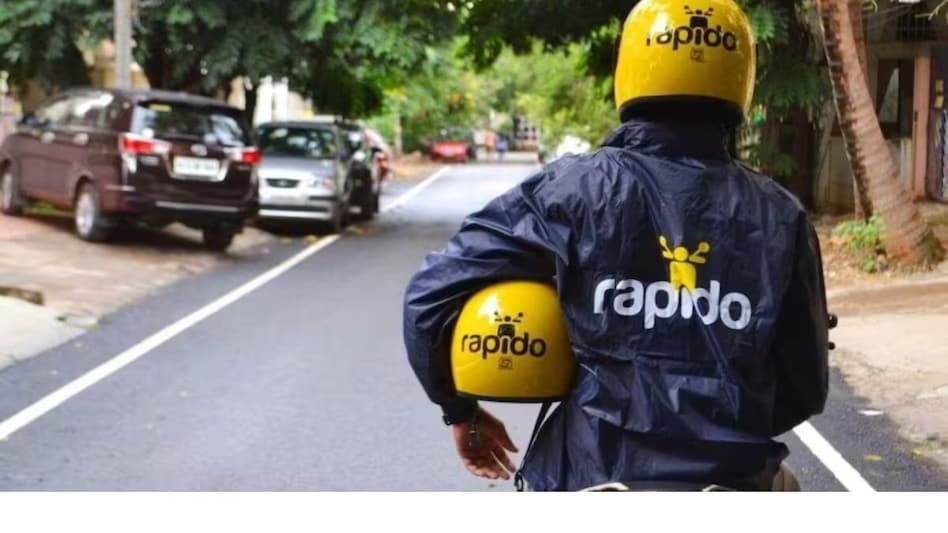
The Karnataka High Court on Friday set aside the government’s ban on bike taxi services in the state, impacting operators including Rapido, Ola, and Uber Moto. The division bench, led by Chief Justice Vibhu Bakhru and Justice CM Joshi, ruled that bikes may be used as transport vehicles provided that aggregators and owners comply with legal requirements. This decision follows months of uncertainty after the ban, which had disrupted services and affected commuters.
The court order read, "Taxi owners are allowed to apply to register motorcycles as transport vehicles or contract carriages, and the state must consider these applications in accordance with the law. Aggregators are also free to submit fresh applications, which must be processed following the court’s observations." The ruling states the government cannot deny registration simply because the vehicle is a motorcycle.
The government had imposed a blanket ban in June last year, declaring bike taxi platforms illegal due to the absence of a regulatory framework. The ban was supported by an earlier High Court verdict, which was challenged by affected operators. The court’s latest direction instructs bike owners and aggregators to apply for licences, with the government required to issue permits under existing legal provisions.
Rapido had previously resumed services in August 2025, despite no court approval. This prompted the Karnataka State Private Transport Association to file a formal complaint, alleging the company’s actions amounted to contempt of court.
Aggregators approached Chief Minister Siddaramaiah and Congress MP Rahul Gandhi, urging intervention to halt the ban, warning it would jeopardise livelihoods and disrupt affordable daily commutes for millions.
The High Court’s judgement allows both existing and new applications from aggregators, instructing authorities to assess each case based on legal criteria. The state government can examine all aspects of an application, but cannot refuse solely based on vehicle type.
The Karnataka High Court on Friday set aside the government’s ban on bike taxi services in the state, impacting operators including Rapido, Ola, and Uber Moto. The division bench, led by Chief Justice Vibhu Bakhru and Justice CM Joshi, ruled that bikes may be used as transport vehicles provided that aggregators and owners comply with legal requirements. This decision follows months of uncertainty after the ban, which had disrupted services and affected commuters.
The court order read, "Taxi owners are allowed to apply to register motorcycles as transport vehicles or contract carriages, and the state must consider these applications in accordance with the law. Aggregators are also free to submit fresh applications, which must be processed following the court’s observations." The ruling states the government cannot deny registration simply because the vehicle is a motorcycle.
The government had imposed a blanket ban in June last year, declaring bike taxi platforms illegal due to the absence of a regulatory framework. The ban was supported by an earlier High Court verdict, which was challenged by affected operators. The court’s latest direction instructs bike owners and aggregators to apply for licences, with the government required to issue permits under existing legal provisions.
Rapido had previously resumed services in August 2025, despite no court approval. This prompted the Karnataka State Private Transport Association to file a formal complaint, alleging the company’s actions amounted to contempt of court.
Aggregators approached Chief Minister Siddaramaiah and Congress MP Rahul Gandhi, urging intervention to halt the ban, warning it would jeopardise livelihoods and disrupt affordable daily commutes for millions.
The High Court’s judgement allows both existing and new applications from aggregators, instructing authorities to assess each case based on legal criteria. The state government can examine all aspects of an application, but cannot refuse solely based on vehicle type.