
Karnataka launches low-cost AI computer KEO to boost digital access for students, workers and households
Karnataka launches low-cost AI computer KEO to boost digital access for students, workers and households
Officials described KEO as a practical tool for digital inclusion rather than a premium gadget.
Business Today Desk
- Nov 19, 2025,
- Updated Nov 19, 2025 9:45 PM IST
Karnataka has rolled out its own state-built AI personal computer — a low-cost device aimed at giving students, engineers, creators, innovators, small businesses and households easier access to modern computing.
The government says the initiative is intended to close the widening digital access gap across the state, where computer ownership remains far below what today’s education and digital livelihoods demand. The device, called KEO (Knowledge-driven, Economical and Open-source), was fully designed, developed and assembled in Karnataka, and was scheduled to be formally unveiled by Chief Minister Siddaramaiah on November 18 at the Bengaluru Tech Summit (BTS) 2025.
Advertisement
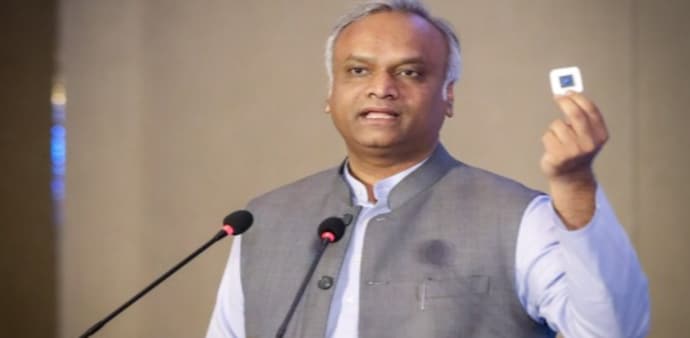
At a curtain-raiser event on Monday, IT & BT Minister Priyank Kharge said KEO represents a first-of-its-kind intervention by any state government. “Karnataka is launching its own affordable AI personal computer. This is the first time anywhere in the world that a state has taken such a bold and disruptive step,” he said.
Kharge added that KEO reflects the state’s tech-first identity. “KEO embodies the spirit of Karnataka — designed, developed and assembled here by local startups and Kannadigas,” he said, emphasising that the project aims to take computing to the grassroots. According to him, fewer than 10 per cent of Indian households own a computer, and Karnataka’s figure stands at just 15 per cent. While smartphones are common, he noted they cannot replace computers for coding, academic work or hybrid learning. As a result, more than 60 per cent of Indian students earlier reported difficulties attending online classes due to the lack of a proper device.
Advertisement
Officials described KEO as a practical tool for digital inclusion. Built on an open-source RISC-V processor and running a Linux-based operating system, the device supports 4G, Wi-Fi and Ethernet, includes USB-A and USB-C ports, HDMI and audio support, and comes preloaded with learning, programming and productivity tools. It also features an on-device AI core that allows applications to run locally without internet access, along with BUDDH, an AI agent trained on the DSERT syllabus to assist students in low-connectivity regions.
The project has been developed by the Department of Electronics, IT & BT in partnership with KEONICS. Its chairman, Sharath Kumar Bache Gowda, said KEO reinforces Karnataka’s commitment to accessible, home-grown computing. Devices will be deployed across schools, colleges, small businesses, government offices and households as part of the state’s push to expand digital opportunities.
Advertisement
KEO will be showcased throughout the Bengaluru Tech Summit, held under the theme Futurise. Pricing details will be announced at the event.
Karnataka has rolled out its own state-built AI personal computer — a low-cost device aimed at giving students, engineers, creators, innovators, small businesses and households easier access to modern computing.
The government says the initiative is intended to close the widening digital access gap across the state, where computer ownership remains far below what today’s education and digital livelihoods demand. The device, called KEO (Knowledge-driven, Economical and Open-source), was fully designed, developed and assembled in Karnataka, and was scheduled to be formally unveiled by Chief Minister Siddaramaiah on November 18 at the Bengaluru Tech Summit (BTS) 2025.
Advertisement
At a curtain-raiser event on Monday, IT & BT Minister Priyank Kharge said KEO represents a first-of-its-kind intervention by any state government. “Karnataka is launching its own affordable AI personal computer. This is the first time anywhere in the world that a state has taken such a bold and disruptive step,” he said.
Kharge added that KEO reflects the state’s tech-first identity. “KEO embodies the spirit of Karnataka — designed, developed and assembled here by local startups and Kannadigas,” he said, emphasising that the project aims to take computing to the grassroots. According to him, fewer than 10 per cent of Indian households own a computer, and Karnataka’s figure stands at just 15 per cent. While smartphones are common, he noted they cannot replace computers for coding, academic work or hybrid learning. As a result, more than 60 per cent of Indian students earlier reported difficulties attending online classes due to the lack of a proper device.
Advertisement
Officials described KEO as a practical tool for digital inclusion. Built on an open-source RISC-V processor and running a Linux-based operating system, the device supports 4G, Wi-Fi and Ethernet, includes USB-A and USB-C ports, HDMI and audio support, and comes preloaded with learning, programming and productivity tools. It also features an on-device AI core that allows applications to run locally without internet access, along with BUDDH, an AI agent trained on the DSERT syllabus to assist students in low-connectivity regions.
The project has been developed by the Department of Electronics, IT & BT in partnership with KEONICS. Its chairman, Sharath Kumar Bache Gowda, said KEO reinforces Karnataka’s commitment to accessible, home-grown computing. Devices will be deployed across schools, colleges, small businesses, government offices and households as part of the state’s push to expand digital opportunities.
Advertisement
KEO will be showcased throughout the Bengaluru Tech Summit, held under the theme Futurise. Pricing details will be announced at the event.
Read more!