
LPG charges, gas surcharge, fuel cost recovery: CCPA warns restaurants against levying extra fees on customers
According to the CCPA, fuel-related expenses such as LPG, electricity, and other operational costs are part of running a business and must be included in the pricing of food items. These costs cannot be collected separately from customers as mandatory charges.
- Mar 25, 2026,
- Updated Mar 25, 2026 7:56 PM IST
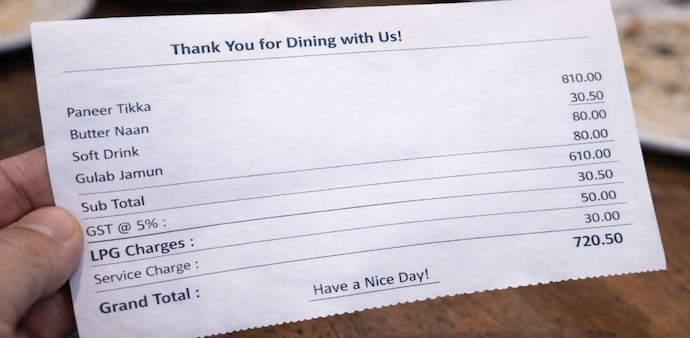
The Central Consumer Protection Authority (CCPA) has warned hotels and restaurants against adding extra charges such as “LPG charge”, “gas surcharge”, or “fuel cost recovery” to customer bills, saying such levies amount to an unfair trade practice under the Consumer Protection Act, 2019. The advisory comes after multiple complaints from consumers who reported being asked to pay additional amounts over and above menu prices and applicable taxes.
According to the CCPA, fuel-related expenses such as LPG, electricity, and other operational costs are part of running a business and must be included in the pricing of food items. These costs cannot be collected separately from customers as mandatory charges.
In its advisory, the authority said that imposing such charges by default lacks transparency and violates consumer rights. “Recovery of such costs through separate, mandatory charges imposed on consumers amounts to unfair trade practice under Section 2(47) of the Consumer Protection Act, 2019, as it involves imposition of unjustified costs and lack of transparency,” the regulator said.
No extra LPG or fuel charges
The CCPA clarified that restaurants and hotels must display the final price of food items on the menu, excluding only applicable taxes such as GST. Any additional charge related to gas, fuel, or operational expenses cannot be added automatically to the bill.
The authority noted that some establishments were using labels such as gas surcharge, LPG charge, fuel adjustment, or crisis charge to recover rising input costs. However, the regulator said such practices are not allowed, regardless of the name used.
The advisory also said these charges are similar in nature to service charges, which cannot be imposed by default and must remain voluntary.
Action may follow for violations
The CCPA has warned that non-compliance could invite action under the Consumer Protection Act. The authority said it is monitoring complaints across the country and will take strict action if restaurants continue to impose unauthorised charges.
Consumers who encounter such fees have been advised to ask the establishment to remove the charge from the bill. If the issue is not resolved, complaints can be filed through the National Consumer Helpline, the e-Jagriti portal, or local consumer authorities.
Fuel supply issues behind rising charges
The warning comes at a time when many hotels and restaurants are facing higher cooking gas costs due to supply disruptions. Tensions in West Asia and pressure on LPG supply have increased fuel prices, particularly for commercial cylinders used by the hospitality sector.
With domestic LPG supply being prioritised, some businesses have reported difficulty in getting commercial gas, leading to higher operating expenses. However, the CCPA said that even in such situations, restaurants cannot pass these costs directly to customers as separate charges.
Menu price must include all costs
The regulator reiterated that all input costs — including LPG, electricity, rent, and wages — must be built into the menu price itself. Customers should not be forced to pay additional fees that are not clearly disclosed or are added without consent.
The CCPA said the advisory is meant to ensure transparency in billing and protect consumers from hidden charges, especially at a time when rising fuel costs are already affecting household budgets.
The Central Consumer Protection Authority (CCPA) has warned hotels and restaurants against adding extra charges such as “LPG charge”, “gas surcharge”, or “fuel cost recovery” to customer bills, saying such levies amount to an unfair trade practice under the Consumer Protection Act, 2019. The advisory comes after multiple complaints from consumers who reported being asked to pay additional amounts over and above menu prices and applicable taxes.
According to the CCPA, fuel-related expenses such as LPG, electricity, and other operational costs are part of running a business and must be included in the pricing of food items. These costs cannot be collected separately from customers as mandatory charges.
In its advisory, the authority said that imposing such charges by default lacks transparency and violates consumer rights. “Recovery of such costs through separate, mandatory charges imposed on consumers amounts to unfair trade practice under Section 2(47) of the Consumer Protection Act, 2019, as it involves imposition of unjustified costs and lack of transparency,” the regulator said.
No extra LPG or fuel charges
The CCPA clarified that restaurants and hotels must display the final price of food items on the menu, excluding only applicable taxes such as GST. Any additional charge related to gas, fuel, or operational expenses cannot be added automatically to the bill.
The authority noted that some establishments were using labels such as gas surcharge, LPG charge, fuel adjustment, or crisis charge to recover rising input costs. However, the regulator said such practices are not allowed, regardless of the name used.
The advisory also said these charges are similar in nature to service charges, which cannot be imposed by default and must remain voluntary.
Action may follow for violations
The CCPA has warned that non-compliance could invite action under the Consumer Protection Act. The authority said it is monitoring complaints across the country and will take strict action if restaurants continue to impose unauthorised charges.
Consumers who encounter such fees have been advised to ask the establishment to remove the charge from the bill. If the issue is not resolved, complaints can be filed through the National Consumer Helpline, the e-Jagriti portal, or local consumer authorities.
Fuel supply issues behind rising charges
The warning comes at a time when many hotels and restaurants are facing higher cooking gas costs due to supply disruptions. Tensions in West Asia and pressure on LPG supply have increased fuel prices, particularly for commercial cylinders used by the hospitality sector.
With domestic LPG supply being prioritised, some businesses have reported difficulty in getting commercial gas, leading to higher operating expenses. However, the CCPA said that even in such situations, restaurants cannot pass these costs directly to customers as separate charges.
Menu price must include all costs
The regulator reiterated that all input costs — including LPG, electricity, rent, and wages — must be built into the menu price itself. Customers should not be forced to pay additional fees that are not clearly disclosed or are added without consent.
The CCPA said the advisory is meant to ensure transparency in billing and protect consumers from hidden charges, especially at a time when rising fuel costs are already affecting household budgets.