
LPG shortage: Oil companies consider smaller, 10 kg domestic cylinders amid Hormuz disruption, says report
LPG shortage: Bottling plants will need to recalibrate weighing systems, and some regulatory approvals might be necessary.
- Mar 23, 2026,
- Updated Mar 23, 2026 8:12 AM IST
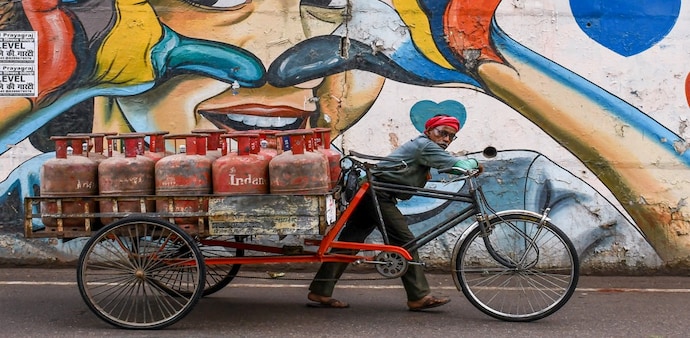
State-run oil companies are reportedly considering smaller LPG cylinders to manage limited supplies amid tightening inventories and shrinking imports caused by the ongoing Iran crisis.
According to a report in The Economic Times, Industry executives said households may receive only 10 kg of LPG in 14.2-kg cylinders to stretch available stocks and supply more homes. A standard 14.2-kg cylinder typically lasts 35-40 days for an average household. The proposed 10-kg refill could sustain a home for nearly a month, allowing the current LPG volumes to be shared more widely during this supply crunch, the report added.
Bottling plants will need to recalibrate weighing systems, and some regulatory approvals might be necessary. Executives expressed concerns that a sudden reduction in cylinder size could lead to confusion, protests and political pushback, especially with key state elections approaching. However, they warned that supply conditions might worsen in the coming month, leaving few options to conserve LPG, the report stated.
LPG availability is tightening due to disruptions in shipments from the Gulf. No new shipments are currently en route, and only two carriers, bringing a combined 92,700 tonnes – roughly equivalent to a day of national consumption – crossed the Strait of Hormuz last week. The partial restoration of supplies to commercial users has further drained stocks.
Petroleum Ministry Joint Secretary Sujata Sharma described the LPG supply situation as "worrisome" and emphasised the need for conservation, while maintaining that household deliveries continue regularly. After initially halting supplies to commercial users, the government has restored 40 per cent of their pre-war allocation. Overall LPG consumption fell by 17 per cent in the first half of March, indicating the impact extends beyond commercial and industrial users.
India imports 60 per cent of its LPG requirements, with around 90 per cent of supplies coming from the Gulf region before the conflict began. The Strait of Hormuz, which handles about 20 per cent of global oil and liquefied natural gas shipments, has been effectively disrupted since early March. This disruption has pushed global fuel prices higher and affected shipping movements across the region.
Reports indicate Iran is enforcing restrictions selectively, targeting vessels linked to countries it considers hostile, while allowing others to pass under certain conditions. Iran’s Foreign Minister Abbas Araghchi stated the strait is closed only to ships of "enemies and those supporting their aggression." Some Indian-flagged LPG carriers have been granted transit, with more reportedly preparing to cross.
US President Donald Trump has warned Iran to reopen the Strait within 48 hours or face strikes on its power infrastructure. Iran’s Revolutionary Guards have countered that any attack on its power plants could lead to the Strait being "completely closed." Six India-flagged LPG tankers remain waiting in the Persian Gulf to cross the Strait of Hormuz.
State-run oil companies are reportedly considering smaller LPG cylinders to manage limited supplies amid tightening inventories and shrinking imports caused by the ongoing Iran crisis.
According to a report in The Economic Times, Industry executives said households may receive only 10 kg of LPG in 14.2-kg cylinders to stretch available stocks and supply more homes. A standard 14.2-kg cylinder typically lasts 35-40 days for an average household. The proposed 10-kg refill could sustain a home for nearly a month, allowing the current LPG volumes to be shared more widely during this supply crunch, the report added.
Bottling plants will need to recalibrate weighing systems, and some regulatory approvals might be necessary. Executives expressed concerns that a sudden reduction in cylinder size could lead to confusion, protests and political pushback, especially with key state elections approaching. However, they warned that supply conditions might worsen in the coming month, leaving few options to conserve LPG, the report stated.
LPG availability is tightening due to disruptions in shipments from the Gulf. No new shipments are currently en route, and only two carriers, bringing a combined 92,700 tonnes – roughly equivalent to a day of national consumption – crossed the Strait of Hormuz last week. The partial restoration of supplies to commercial users has further drained stocks.
Petroleum Ministry Joint Secretary Sujata Sharma described the LPG supply situation as "worrisome" and emphasised the need for conservation, while maintaining that household deliveries continue regularly. After initially halting supplies to commercial users, the government has restored 40 per cent of their pre-war allocation. Overall LPG consumption fell by 17 per cent in the first half of March, indicating the impact extends beyond commercial and industrial users.
India imports 60 per cent of its LPG requirements, with around 90 per cent of supplies coming from the Gulf region before the conflict began. The Strait of Hormuz, which handles about 20 per cent of global oil and liquefied natural gas shipments, has been effectively disrupted since early March. This disruption has pushed global fuel prices higher and affected shipping movements across the region.
Reports indicate Iran is enforcing restrictions selectively, targeting vessels linked to countries it considers hostile, while allowing others to pass under certain conditions. Iran’s Foreign Minister Abbas Araghchi stated the strait is closed only to ships of "enemies and those supporting their aggression." Some Indian-flagged LPG carriers have been granted transit, with more reportedly preparing to cross.
US President Donald Trump has warned Iran to reopen the Strait within 48 hours or face strikes on its power infrastructure. Iran’s Revolutionary Guards have countered that any attack on its power plants could lead to the Strait being "completely closed." Six India-flagged LPG tankers remain waiting in the Persian Gulf to cross the Strait of Hormuz.