
Maharashtra police cuts dial 112 emergency response time to 3 minutes, says CM Fadnavis
Fadnavis, who also heads the state's Home Department, said the improved response system had transformed the way the police handled emergencies
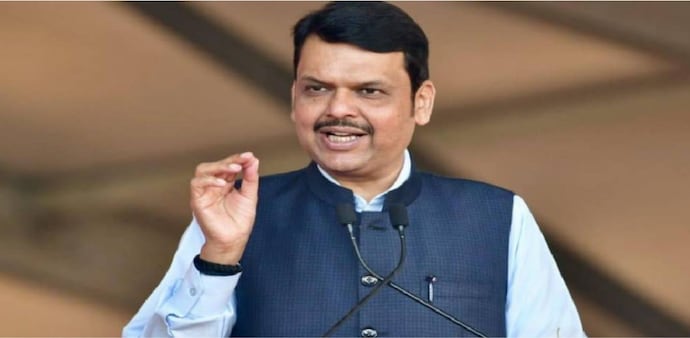
- Nov 4, 2026,
- Updated Nov 4, 2026 4:29 PM IST
Maharashtra Chief Minister Devendra Fadnavis has said that the state's police force has reduced its average emergency response time under the Dial 112 service to just three minutes, crediting the improvement to modern technology, digital monitoring and stricter accountability mechanisms.
Speaking at the inauguration of various projects at the Pimpri Chinchwad Police Commissionerate in Pune district on Tuesday, November 4, Fadnavis said Maharashtra had emerged as the leading state in the country in terms of police response time. He added that police personnel were now reaching emergency locations within an average of three minutes of receiving a call.
READ THIS: Hinjewadi traffic relief? PM Modi launches Pune Metro Pink Line, but there's a station twist
Fadnavis, who also heads the state's Home Department, said the improved response system had transformed the way the police handled emergencies. Taking a swipe at the portrayal of police in Hindi films, he said officers no longer arrived at crime scenes only after an incident had taken place.
"After someone calls the police, our personnel no longer resemble the police shown in Hindi films, where they arrive at the scene only after everything has happened," he said. He added that police personnel were now intervening before an incident occurred or while it was still unfolding.
Digital monitoring improves police accountability
The chief minister attributed the reduction in response time to the use of technology and digital systems that monitor emergency calls and police action in real time.
According to Fadnavis, every call received through the Dial 112 emergency service is recorded, with the system digitally capturing the time at which the call is received and when police personnel reach the location.
He said the system creates a digital record of every stage of the response process, making it easier for authorities to track police performance and prevent inaccurate reporting.
"There is a digital footprint of every activity. It is not merely about receiving a phone call and making an entry in a register," Fadnavis said, explaining that the system records both the time of the emergency call and the arrival of responding personnel at the spot.
ALSO READ: Maha contractors inundate CM, Dy CMs' offices with frantic calls over ₹86,000 cr in unpaid dues
The digital trail, he added, ensures that officials cannot make false claims about their response times, as the information is recorded electronically.
Call recordings help assess police conduct
Fadnavis also highlighted the role of recorded emergency calls in improving the quality of police services. The recordings allow authorities to assess not only how quickly officers respond but also how they interact with people seeking assistance.
The system enables officials to examine whether callers were treated properly and whether the police response met the required standards.