
Make India energy independent: Amitabh Kant's 7 strategic moves
Amitabh Kant said that the longer the war is stretched, the higher India’s import bill will be.
- Apr 10, 2026,
- Updated Apr 10, 2026 3:41 PM IST
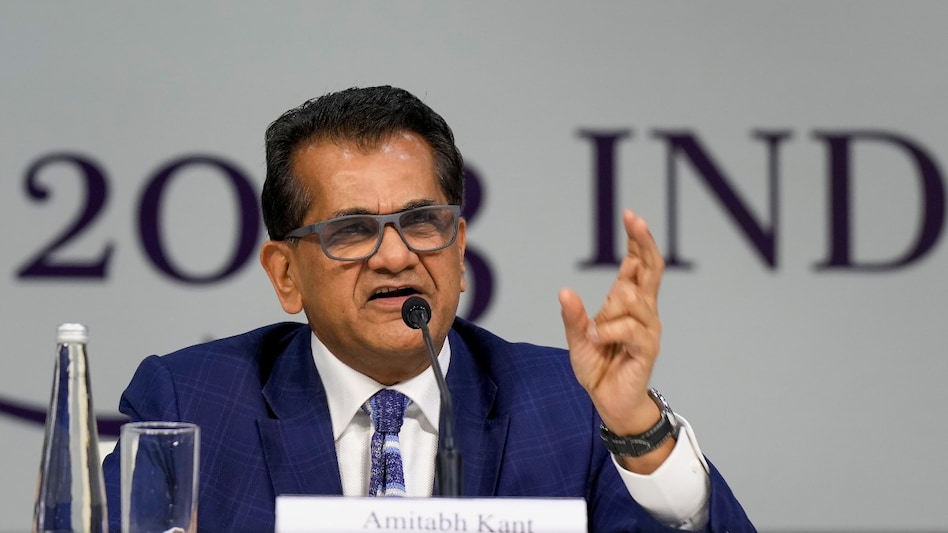
India has a national security crisis, not just an energy problem, said former NITI Aayog CEO and G20 Sherpa, Amitabh Kant. India heavily relies on imported crude, which, he opined, is not just a crisis. Kant also listed seven measures that the government can take to fix this issue.
He said, “Energy independence is sovereignty.”
Kant said that the government can do the following:
Scale renewables from 500 GW to 1500 GW by 2030 Push storage — batteries, pumped hydro, green hydrogen; Build a green hydrogen export economy Cut crude dependence via electric vehicles & 30%+ ethanol blending (non-water consuming crops) Modernise transmission, grid and evacuation infrastructure Manufacture clean energy at home to end reliance on Chinese imports Accelerate nuclear for 24/7 baseload power
In a piece he had written for Business Standard, Kant said that the longer the war is stretched, the higher India’s import bill will be. He said importing hydrocarbons means that India is binding the economy to regions it has little control over.
“A country that remains tethered to imported fossil fuels will keep importing geopolitical risk along with them. A country that builds domestic, clean power, manufacturing, storage and mineral processing capacity will be better placed to ride out external shocks,” he said.
Meanwhile, a fragile two-week ceasefire between the U.S. and Iran showed signs of strain on Friday. Washington accused Tehran of breaching its commitments regarding the Strait of Hormuz, while Iran said Israel violated the truce after it attacked Lebanon. Iran has maintained a near-total blockade of the Strait of Hormuz, causing significant disruption to global energy supplies.
Tehran pointed to Israel's continued attacks on Lebanon, including the heaviest strikes of the conflict on Wednesday, as a major obstacle to easing tensions.
India has a national security crisis, not just an energy problem, said former NITI Aayog CEO and G20 Sherpa, Amitabh Kant. India heavily relies on imported crude, which, he opined, is not just a crisis. Kant also listed seven measures that the government can take to fix this issue.
He said, “Energy independence is sovereignty.”
Kant said that the government can do the following:
Scale renewables from 500 GW to 1500 GW by 2030 Push storage — batteries, pumped hydro, green hydrogen; Build a green hydrogen export economy Cut crude dependence via electric vehicles & 30%+ ethanol blending (non-water consuming crops) Modernise transmission, grid and evacuation infrastructure Manufacture clean energy at home to end reliance on Chinese imports Accelerate nuclear for 24/7 baseload power
In a piece he had written for Business Standard, Kant said that the longer the war is stretched, the higher India’s import bill will be. He said importing hydrocarbons means that India is binding the economy to regions it has little control over.
“A country that remains tethered to imported fossil fuels will keep importing geopolitical risk along with them. A country that builds domestic, clean power, manufacturing, storage and mineral processing capacity will be better placed to ride out external shocks,” he said.
Meanwhile, a fragile two-week ceasefire between the U.S. and Iran showed signs of strain on Friday. Washington accused Tehran of breaching its commitments regarding the Strait of Hormuz, while Iran said Israel violated the truce after it attacked Lebanon. Iran has maintained a near-total blockade of the Strait of Hormuz, causing significant disruption to global energy supplies.
Tehran pointed to Israel's continued attacks on Lebanon, including the heaviest strikes of the conflict on Wednesday, as a major obstacle to easing tensions.