
5 times the tax, impounding of vehicle: MCD has a new plan for those evading toll
The proposal marks a significant tightening of enforcement against commercial vehicles that enter Delhi without paying toll tax.
- Nov 24, 2026,
- Updated Nov 24, 2026 11:57 AM IST
The Municipal Corporation of Delhi (MCD) has proposed a tougher enforcement regime for commercial vehicles entering the capital, including a penalty of five times the applicable toll tax for each instance of toll evasion and the power to impound defaulting vehicles.
The draft Delhi Municipal Corporation (Toll Tax) Amendment Bye-Laws, 2026, amending the 2007 rules, has been placed in the public domain for objections and suggestions until November 30, 2026, 5 pm.
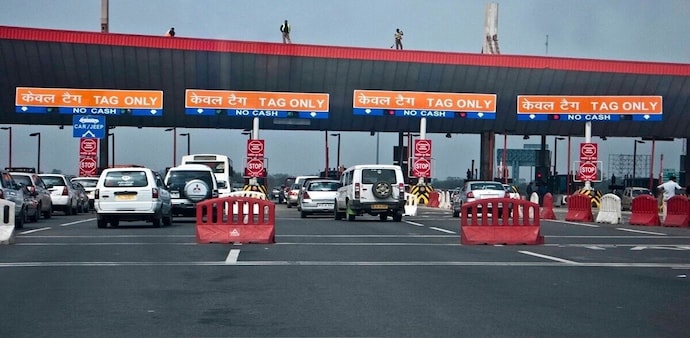
Under the proposal, MCD plans a hybrid, largely barrier-free toll-collection system using automatic number plate recognition (ANPR) cameras, RFID readers, FASTag-compatible systems, sensors and multi-lane free-flow (MLFF) gantries.
The system is intended to identify commercial vehicles entering Delhi and assess toll liability without requiring them to stop at booths or barriers.
MUST READ: FASTag earns govt ₹7,000 crore more: Toll booths to go barrier-free by 2027, Nitin Gadkari says
Five-fold penalty
Under the draft, an owner, registered owner, driver, person in charge, fleet owner, transport operator or other responsible person would be liable for a penalty equal to five times the basic toll tax for each instance of wrongful passage or evasion.
The penalty would be levied in addition to the unpaid toll, damages, detention, towing, recovery charges and other lawful dues. Each separate instance of evasion would attract a fresh five-fold penalty, according to the draft provisions.
Vehicle owners would receive electronic notices after an alleged violation. They would have 72 hours to clear the outstanding toll tax and applicable penalties.
If payment is not made within the stipulated period, MCD may issue a warrant of distress. The vehicle would then be flagged as a defaulting vehicle in the enforcement system and become liable to interception, detention, impounding and further recovery action.
Repeat offenders face tighter checks
Repeated defaulters could face enhanced scrutiny, priority interception, blacklisting and suspension or denial of toll-related passes and facilities. The proposed measures are aimed at discouraging habitual evasion rather than treating every violation identically.
Vehicles with unsatisfied warrants of distress would also not be eligible for the grant or renewal of monthly or quarterly passes, exemptions, concessions or other toll-related facilities.
The MCD Commissioner and authorised officers would retain powers to seize, detain or impound vehicles and recover dues under the proposed framework.
What it may cost
The proposed toll rates range from ₹100 for taxis, tempos and Tata-407-type vehicles to ₹2,000 for trucks with four or more axles. The rates may increase by 5 per cent annually, rounded off to the nearest ₹5, subject to approval by the Corporation.
Existing toll rates will remain unchanged. Exemptions will continue for ambulances, fire-fighting vehicles, police vehicles, specified government vehicles with red and amber lights, defence vehicles and hearses.
DO CHECKOUT: FASTag new rules from November 1: Who can apply, how much will it cost and more
The proposal marks a significant tightening of enforcement against commercial vehicles that enter Delhi without paying toll tax. Stakeholders, transporters and vehicle owners can submit objections or suggestions on the draft amendments before the November 30 deadline.