
Mumbai Metro 2B Chembur station opens: How it connects metro, rail, monorail
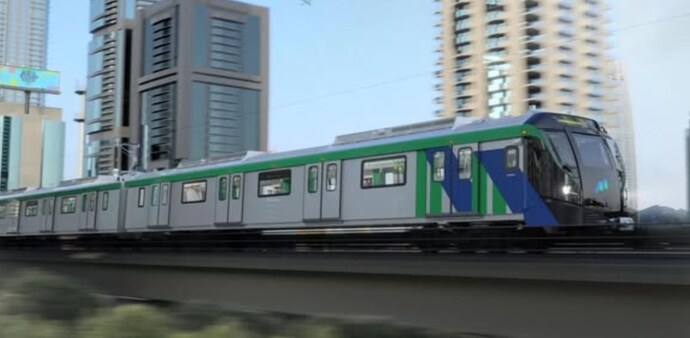
Mumbai Metro Line 2B’s new Chembur station is more than another stop on the network—it creates a three-way public transport interchange, bringing the metro, suburban railway and monorail within a short walking distance. For daily commuters, the new link could make transfers easier, reduce dependence on autos and cabs for connecting journeys and offer more options to navigate the eastern suburbs.
- Aug 13, 2026,
- Updated Aug 13, 2026 5:49 PM IST
Mumbai’s public transport network has gained a new interchange point with the opening of the Chembur station on Metro Line 2B. The station is significant not simply because it adds another stop to the metro network, but because it brings three modes of public transport—metro, suburban railway and monorail—within a short walking distance.
For daily commuters, this could make changing between transport systems easier and offer more options for completing a journey without depending entirely on road transport.
Metro, railway and monorail connected
The new Chembur Metro 2B station is around 200 metres from Chembur suburban railway station. The V N Purav Marg Monorail station is about 100 metres away.
This proximity creates an important interchange opportunity.
A commuter arriving at Chembur by suburban train can now switch to Metro Line 2B for onward travel along its operational corridor. Similarly, passengers travelling by monorail can access the metro with a short walk.
For commuters from Mumbai’s eastern suburbs, the new station provides another way to combine different modes of transport depending on the destination, time of day and traffic conditions.
The interchange could also help reduce the need for short road journeys between transport hubs. Instead of taking an auto-rickshaw or cab to connect between stations, many passengers may be able to walk between the three systems.
What is Metro Line 2B?
Chembur is the sixth station on the operational eastern end of Metro Line 2B, extending the service beyond Diamond Garden.
The currently operational section is still relatively short, but the addition of Chembur makes the corridor more useful by connecting it directly with Mumbai’s established suburban rail and monorail networks.
The larger Metro Line 2B corridor is planned to run from Mandale to DN Nagar, passing through important areas including BKC. Once the remaining sections become operational, the line is expected to provide a significantly stronger east-west public transport connection.
For now, however, the biggest benefit for Chembur commuters is the new interchange possibility.
How commuters can use the new connection
The station can be particularly useful for passengers whose journeys involve more than one mode of transport.
Suburban train to Metro: Passengers arriving at Chembur railway station can walk around 200 metres to the Metro 2B station and continue their journey on the metro.
Monorail to Metro: Passengers using the V N Purav Marg Monorail station have a roughly 100-metre connection to the metro station.
Metro to rail: Metro passengers can switch to suburban trains at Chembur for onward journeys across Mumbai.
Why the location matters
Mumbai’s transport network has several rail-based systems, but convenient interchanges are critical for making them work as a single network. Chembur’s new metro station brings three systems close enough to create a practical transfer point.
The immediate impact may be most noticeable for commuters travelling to or from Chembur, the eastern suburbs and areas along the operational Metro 2B route. As more sections of Line 2B open, the importance of this interchange is expected to grow further.
Mumbai’s public transport network has gained a new interchange point with the opening of the Chembur station on Metro Line 2B. The station is significant not simply because it adds another stop to the metro network, but because it brings three modes of public transport—metro, suburban railway and monorail—within a short walking distance.
For daily commuters, this could make changing between transport systems easier and offer more options for completing a journey without depending entirely on road transport.
Metro, railway and monorail connected
The new Chembur Metro 2B station is around 200 metres from Chembur suburban railway station. The V N Purav Marg Monorail station is about 100 metres away.
This proximity creates an important interchange opportunity.
A commuter arriving at Chembur by suburban train can now switch to Metro Line 2B for onward travel along its operational corridor. Similarly, passengers travelling by monorail can access the metro with a short walk.
For commuters from Mumbai’s eastern suburbs, the new station provides another way to combine different modes of transport depending on the destination, time of day and traffic conditions.
The interchange could also help reduce the need for short road journeys between transport hubs. Instead of taking an auto-rickshaw or cab to connect between stations, many passengers may be able to walk between the three systems.
What is Metro Line 2B?
Chembur is the sixth station on the operational eastern end of Metro Line 2B, extending the service beyond Diamond Garden.
The currently operational section is still relatively short, but the addition of Chembur makes the corridor more useful by connecting it directly with Mumbai’s established suburban rail and monorail networks.
The larger Metro Line 2B corridor is planned to run from Mandale to DN Nagar, passing through important areas including BKC. Once the remaining sections become operational, the line is expected to provide a significantly stronger east-west public transport connection.
For now, however, the biggest benefit for Chembur commuters is the new interchange possibility.
How commuters can use the new connection
The station can be particularly useful for passengers whose journeys involve more than one mode of transport.
Suburban train to Metro: Passengers arriving at Chembur railway station can walk around 200 metres to the Metro 2B station and continue their journey on the metro.
Monorail to Metro: Passengers using the V N Purav Marg Monorail station have a roughly 100-metre connection to the metro station.
Metro to rail: Metro passengers can switch to suburban trains at Chembur for onward journeys across Mumbai.
Why the location matters
Mumbai’s transport network has several rail-based systems, but convenient interchanges are critical for making them work as a single network. Chembur’s new metro station brings three systems close enough to create a practical transfer point.
The immediate impact may be most noticeable for commuters travelling to or from Chembur, the eastern suburbs and areas along the operational Metro 2B route. As more sections of Line 2B open, the importance of this interchange is expected to grow further.