
Mumbai taxi, auto fares rise from Today: Check revised per-km rates, minimum fare
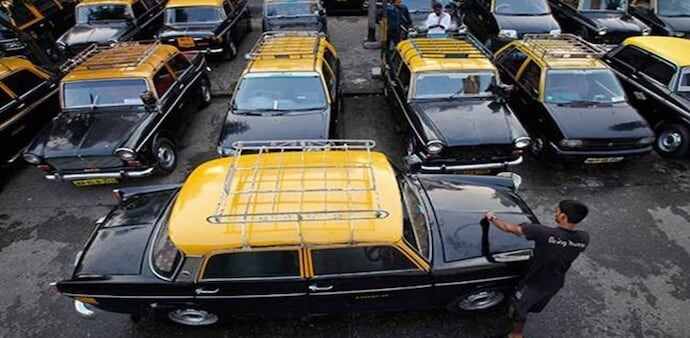
The Mumbai Metropolitan Region has more than 4.5 lakh autorickshaws and over 50,000 black-and-yellow taxis. Most of these vehicles operate on compressed natural gas
- Sep 1, 2026,
- Updated Sep 1, 2026 6:25 AM IST
Commuters across the Mumbai Metropolitan Region (MMR) will have to pay more for autorickshaw and black-and-yellow taxi rides from today, with the revised fares coming into effect after an 18-month gap.
The Mumbai Metropolitan Region Transport Authority (MMRTA) has approved a ₹1 increase in the minimum autorickshaw fare and a ₹2 increase in the minimum black-and-yellow taxi fare, according to news agency PTI.
READ THIS: ‘No need to be expert in Marathi’: CM Fadnavis as auto, taxi drivers protest against language diktat
New minimum fares
Under the revised fare structure, the minimum autorickshaw fare has increased from ₹26 to ₹27, while the fare per kilometre has gone up from ₹17.14 to ₹18.22. For black-and-yellow taxis, the fare for the first 1.5 km has increased from ₹31 to ₹33. The revised taxi fare per kilometre is now ₹21.90, up from ₹20.66 earlier.
The fare revision was approved at a recent MMRTA meeting chaired by the Maharashtra transport secretary.
Drivers get three months to recalibrate meters
According to an RTO official, drivers can collect the revised fares either after recalibrating their electronic fare meters or by displaying the RTO-approved fare table.
Drivers have been given three months, until the end of November, to complete the meter recalibration process. Those who fail to recalibrate their meters within the stipulated period could face penalties, the official said.
More than 4.5 lakh autos, 50,000 taxis in MMR
The Mumbai Metropolitan Region has more than 4.5 lakh autorickshaws and over 50,000 black-and-yellow taxis. Most of these vehicles operate on compressed natural gas (CNG). The latest fare revision comes after a gap of 18 months. The previous increase of ₹3 each for taxis and autorickshaws came into effect on February 1, 2025.
With the new rates taking effect from September 1, daily commuters using Mumbai's autorickshaws and traditional taxis will now have to factor the higher minimum and per-kilometre fares into their travel costs.
Commuters across the Mumbai Metropolitan Region (MMR) will have to pay more for autorickshaw and black-and-yellow taxi rides from today, with the revised fares coming into effect after an 18-month gap.
The Mumbai Metropolitan Region Transport Authority (MMRTA) has approved a ₹1 increase in the minimum autorickshaw fare and a ₹2 increase in the minimum black-and-yellow taxi fare, according to news agency PTI.
READ THIS: ‘No need to be expert in Marathi’: CM Fadnavis as auto, taxi drivers protest against language diktat
New minimum fares
Under the revised fare structure, the minimum autorickshaw fare has increased from ₹26 to ₹27, while the fare per kilometre has gone up from ₹17.14 to ₹18.22. For black-and-yellow taxis, the fare for the first 1.5 km has increased from ₹31 to ₹33. The revised taxi fare per kilometre is now ₹21.90, up from ₹20.66 earlier.
The fare revision was approved at a recent MMRTA meeting chaired by the Maharashtra transport secretary.
Drivers get three months to recalibrate meters
According to an RTO official, drivers can collect the revised fares either after recalibrating their electronic fare meters or by displaying the RTO-approved fare table.
Drivers have been given three months, until the end of November, to complete the meter recalibration process. Those who fail to recalibrate their meters within the stipulated period could face penalties, the official said.
More than 4.5 lakh autos, 50,000 taxis in MMR
The Mumbai Metropolitan Region has more than 4.5 lakh autorickshaws and over 50,000 black-and-yellow taxis. Most of these vehicles operate on compressed natural gas (CNG). The latest fare revision comes after a gap of 18 months. The previous increase of ₹3 each for taxis and autorickshaws came into effect on February 1, 2025.
With the new rates taking effect from September 1, daily commuters using Mumbai's autorickshaws and traditional taxis will now have to factor the higher minimum and per-kilometre fares into their travel costs.