
Muslim-majority Lakshadweep just changed its alcohol law after 47 years. Know what led to this shift
Alcohol has been banned since 1979, mainly because of religious and cultural reasons, as alcohol is not allowed in Islam.
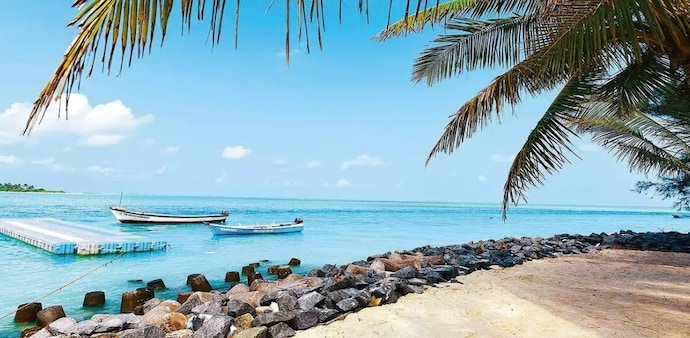
- Jun 9, 2026,
- Updated Jun 9, 2026 3:21 PM IST
For nearly five decades, Lakshadweep was one of the few places in India where the sale and consumption were not allowed. That is now changing, as the Union government moves to bring in a regulated licensing system in the island territory as part of a wider push to boost tourism, according to a report by India Today.
New rules replace the old prohibition law.
The Centre has repealed the Lakshadweep Prohibition Regulation, 1979, through a Gazette notification issued on June 5. It said the law “shall come into force on such date as the Administrator may, by notification in the Official Gazette, appoint”.
Don't Miss: Zojila tunnel breakthrough: The project that could change travel to Ladakh forever
As per the report, the 1979 law had kept the islands mostly alcohol-free for 47 years, except for limited permission in some government-run bars and tourist resorts on islands like Kavaratti and Bangaram.
Now it has been replaced by the Lakshadweep Excise Regulation, 2026. This new system allows licences for making, keeping, importing, exporting, transporting, buying, selling, and consuming alcohol. Government companies and agencies can also get licences to import and sell liquor.
Taxes on alcohol are still very high. Excise duty has been fixed at 400% on Indian Made Foreign Liquor (IMFL) and foreign liquor, 200% on beer, and 80% on wine. In comparison, Delhi charges 25% VAT on IMFL, beer, wine, and imported foreign liquor.
The new rules are not fully open. The administrator can still control drinking, set limits on how much can be bought or kept, and even ban alcohol in all or parts of Lakshadweep if needed. Selling alcohol to people under 21 years is not allowed.
Lakshadweep has 36 islands, of which 10 are inhabited, including Agatti, Amini, Andrott, Bitra, Chetlat, Kadmat, Kalpeni, Kavaratti, Kiltan, and Minicoy. Foreign tourists need special permits to visit, and they are allowed only on Agatti, Bangaram, and Kadmat.
Why was alcohol banned earlier
About 97% of Lakshadweep’s population is Muslim. Alcohol has been banned since 1979, mainly because of religious and cultural reasons, as alcohol is not allowed in Islam.
Over the years, local governments and groups supported the ban, saying it matched local beliefs and social conditions. They also feared that alcohol could cause social problems and law-and-order issues.
However, the ban was never fully strict. Alcohol was still allowed in a limited way for tourists and government officials in select places.
Most people in Lakshadweep also belong to Scheduled Tribes. According to the 2011 Census, 61,120 out of 64,473 people (about 95%) are from ST communities.
Why are the rules changing now
The main reason for the change is the government’s plan to grow tourism in Lakshadweep. Officials believe strict alcohol rules made it harder for the islands to compete with places like the Maldives, where alcohol is allowed in tourist areas.
In January 2024, Prime Minister Narendra Modi visited Lakshadweep and shared pictures of its beaches and activities like snorkelling, promoting it as a travel destination.
Tourism has grown fast in recent years. Data shows tourist arrivals rose from 3,875 in 2020 to 68,328 in 2024, a 47% increase. The biggest jump came after the 2024 push.
Efforts to relax alcohol rules began earlier. In 2021, there was a proposal to allow alcohol in more tourist places beyond Bangaram Island, but it faced strong opposition from local groups.
In 2023, a draft excise rule suggested a proper licensing system for alcohol. Earlier this year, government guesthouses on Chetlat and Bitra islands were also allowed to serve alcohol to permit holders under the existing system.
While the issue is often linked to religion, officials say alcohol is also allowed in some Muslim-majority places in the world under controlled systems.
With the repeal of the 1979 law, the Centre now appears to be moving towards a controlled alcohol system aimed at balancing local concerns with tourism growth in the islands.
For nearly five decades, Lakshadweep was one of the few places in India where the sale and consumption were not allowed. That is now changing, as the Union government moves to bring in a regulated licensing system in the island territory as part of a wider push to boost tourism, according to a report by India Today.
New rules replace the old prohibition law.
The Centre has repealed the Lakshadweep Prohibition Regulation, 1979, through a Gazette notification issued on June 5. It said the law “shall come into force on such date as the Administrator may, by notification in the Official Gazette, appoint”.
Don't Miss: Zojila tunnel breakthrough: The project that could change travel to Ladakh forever
As per the report, the 1979 law had kept the islands mostly alcohol-free for 47 years, except for limited permission in some government-run bars and tourist resorts on islands like Kavaratti and Bangaram.
Now it has been replaced by the Lakshadweep Excise Regulation, 2026. This new system allows licences for making, keeping, importing, exporting, transporting, buying, selling, and consuming alcohol. Government companies and agencies can also get licences to import and sell liquor.
Taxes on alcohol are still very high. Excise duty has been fixed at 400% on Indian Made Foreign Liquor (IMFL) and foreign liquor, 200% on beer, and 80% on wine. In comparison, Delhi charges 25% VAT on IMFL, beer, wine, and imported foreign liquor.
The new rules are not fully open. The administrator can still control drinking, set limits on how much can be bought or kept, and even ban alcohol in all or parts of Lakshadweep if needed. Selling alcohol to people under 21 years is not allowed.
Lakshadweep has 36 islands, of which 10 are inhabited, including Agatti, Amini, Andrott, Bitra, Chetlat, Kadmat, Kalpeni, Kavaratti, Kiltan, and Minicoy. Foreign tourists need special permits to visit, and they are allowed only on Agatti, Bangaram, and Kadmat.
Why was alcohol banned earlier
About 97% of Lakshadweep’s population is Muslim. Alcohol has been banned since 1979, mainly because of religious and cultural reasons, as alcohol is not allowed in Islam.
Over the years, local governments and groups supported the ban, saying it matched local beliefs and social conditions. They also feared that alcohol could cause social problems and law-and-order issues.
However, the ban was never fully strict. Alcohol was still allowed in a limited way for tourists and government officials in select places.
Most people in Lakshadweep also belong to Scheduled Tribes. According to the 2011 Census, 61,120 out of 64,473 people (about 95%) are from ST communities.
Why are the rules changing now
The main reason for the change is the government’s plan to grow tourism in Lakshadweep. Officials believe strict alcohol rules made it harder for the islands to compete with places like the Maldives, where alcohol is allowed in tourist areas.
In January 2024, Prime Minister Narendra Modi visited Lakshadweep and shared pictures of its beaches and activities like snorkelling, promoting it as a travel destination.
Tourism has grown fast in recent years. Data shows tourist arrivals rose from 3,875 in 2020 to 68,328 in 2024, a 47% increase. The biggest jump came after the 2024 push.
Efforts to relax alcohol rules began earlier. In 2021, there was a proposal to allow alcohol in more tourist places beyond Bangaram Island, but it faced strong opposition from local groups.
In 2023, a draft excise rule suggested a proper licensing system for alcohol. Earlier this year, government guesthouses on Chetlat and Bitra islands were also allowed to serve alcohol to permit holders under the existing system.
While the issue is often linked to religion, officials say alcohol is also allowed in some Muslim-majority places in the world under controlled systems.
With the repeal of the 1979 law, the Centre now appears to be moving towards a controlled alcohol system aimed at balancing local concerns with tourism growth in the islands.