
Nana Patekar’s quiet legacy: The actor poured his fortune and heart into saving India’s farmers
In 2015, Patekar, along with Marathi actor Makarand Anaspure, launched the Naam Foundation in Pune to support farmers affected by severe drought and indebtedness. Since its inception, Naam Foundation has supported 77.17 lakh farmers, provided disaster relief to 50,908 families, extended financial aid to the families of 102 Army martyrs, and supported 4,957 widows.
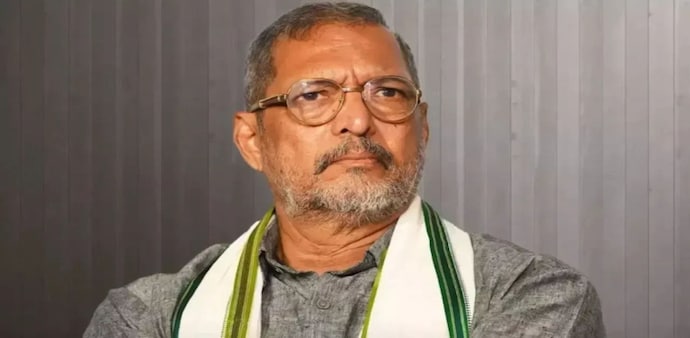
- Oct 8, 2026,
- Updated Oct 8, 2026 11:13 AM IST
Bollywood legend Nana Patekar, who passed away on Thursday morning at the age of 75, was celebrated not only for his powerhouse performances on screen but also for his quiet, sustained social work, especially for decades-long commitment to India’s farmers and drought-hit villages.
Naam Foundation and farmer relief
In 2015, Patekar, along with Marathi actor Makarand Anaspure, launched the Naam Foundation in Pune to support farmers affected by severe drought and indebtedness. The initiative began after Patekar cancelled plans to buy a luxury car worth about ₹1.5 crore, deciding instead to use those funds to directly help families of farmers who died by suicide in drought-hit regions such as Vidarbha and Marathwada.
Since its inception, Naam Foundation has supported 77.17 lakh farmers, provided disaster relief to 50,908 families, extended financial aid to the families of 102 Army martyrs, and supported 4,957 widows.
MUST READ: From Parinda to Welcome: Remembering Nana Patekar’s legendary cinematic journey
The foundation initially provided cheques of ₹15,000-25,000 to thousands of widows and bereaved family members. Beyond cash aid, it distributed sewing machines, flour mills and goats to help women build alternative incomes, and arranged education, food and housing for farmers’ children, along with mass marriage ceremonies for underprivileged couples.
Instead of limiting help to one-time relief, the duo registered Naam as a formal NGO to expand its reach across Marathwada and Vidarbha, two of Maharashtra’s most drought-prone regions.
The foundation also runs programmes for tree plantation, farmer training, group farming, sewing clusters for women, river rejuvenation and construction of houses for affected families. Patekar has donated award money and film remuneration to drought relief and farmer support, often without publicity.
Adopted villages: Dhondalgaon and Aamala
A key part of Naam’s strategy is village adoption. The foundation has officially adopted Dhondalgaon in the Vaijapur taluka of Aurangabad (now Chhatrapati Sambhajinagar) district and Aamala in the Wardha district. The goal is to make these villages self-sufficient and “tanker-free” by improving water conservation, agriculture and local employment.
Selection of villages was based on factors like severity of water scarcity, willingness of residents to participate, and commitments against alcohol abuse and tree-cutting for firewood. In adopted villages, Naam focuses on education for farmers’ children, skill development, and creating sustainable livelihoods, including plans to employ hundreds of young people and women.
DON'T MISS: Nana Patekar dies at 75: ‘Ek machhar...’ to ‘Aa gaye meri maut...’ his 10 iconic dialogues
Other humanitarian work
Beyond Maharashtra, Patekar extended aid to conflict and disaster zones. He provided ₹42 lakh in relief and adopted multiple schools for families affected by cross-border shelling in Jammu and Kashmir’s Rajouri and Poonch districts, while collaborating with the army on skill-improvement initiatives.
He also supported flood relief in states such as Bihar. Known for his minimalist lifestyle, Patekar reportedly donated a large share of his film earnings to social causes without seeking publicity.
Impact and recognition
Patekar’s work has drawn praise from political leaders and civil society for its scale and low-profile nature. By combining immediate relief with long-term rural development, his efforts through the Naam Foundation have become a benchmark for celebrity-led village adoption in India.
Bollywood legend Nana Patekar, who passed away on Thursday morning at the age of 75, was celebrated not only for his powerhouse performances on screen but also for his quiet, sustained social work, especially for decades-long commitment to India’s farmers and drought-hit villages.
Naam Foundation and farmer relief
In 2015, Patekar, along with Marathi actor Makarand Anaspure, launched the Naam Foundation in Pune to support farmers affected by severe drought and indebtedness. The initiative began after Patekar cancelled plans to buy a luxury car worth about ₹1.5 crore, deciding instead to use those funds to directly help families of farmers who died by suicide in drought-hit regions such as Vidarbha and Marathwada.
Since its inception, Naam Foundation has supported 77.17 lakh farmers, provided disaster relief to 50,908 families, extended financial aid to the families of 102 Army martyrs, and supported 4,957 widows.
MUST READ: From Parinda to Welcome: Remembering Nana Patekar’s legendary cinematic journey
The foundation initially provided cheques of ₹15,000-25,000 to thousands of widows and bereaved family members. Beyond cash aid, it distributed sewing machines, flour mills and goats to help women build alternative incomes, and arranged education, food and housing for farmers’ children, along with mass marriage ceremonies for underprivileged couples.
Instead of limiting help to one-time relief, the duo registered Naam as a formal NGO to expand its reach across Marathwada and Vidarbha, two of Maharashtra’s most drought-prone regions.
The foundation also runs programmes for tree plantation, farmer training, group farming, sewing clusters for women, river rejuvenation and construction of houses for affected families. Patekar has donated award money and film remuneration to drought relief and farmer support, often without publicity.
Adopted villages: Dhondalgaon and Aamala
A key part of Naam’s strategy is village adoption. The foundation has officially adopted Dhondalgaon in the Vaijapur taluka of Aurangabad (now Chhatrapati Sambhajinagar) district and Aamala in the Wardha district. The goal is to make these villages self-sufficient and “tanker-free” by improving water conservation, agriculture and local employment.
Selection of villages was based on factors like severity of water scarcity, willingness of residents to participate, and commitments against alcohol abuse and tree-cutting for firewood. In adopted villages, Naam focuses on education for farmers’ children, skill development, and creating sustainable livelihoods, including plans to employ hundreds of young people and women.
DON'T MISS: Nana Patekar dies at 75: ‘Ek machhar...’ to ‘Aa gaye meri maut...’ his 10 iconic dialogues
Other humanitarian work
Beyond Maharashtra, Patekar extended aid to conflict and disaster zones. He provided ₹42 lakh in relief and adopted multiple schools for families affected by cross-border shelling in Jammu and Kashmir’s Rajouri and Poonch districts, while collaborating with the army on skill-improvement initiatives.
He also supported flood relief in states such as Bihar. Known for his minimalist lifestyle, Patekar reportedly donated a large share of his film earnings to social causes without seeking publicity.
Impact and recognition
Patekar’s work has drawn praise from political leaders and civil society for its scale and low-profile nature. By combining immediate relief with long-term rural development, his efforts through the Naam Foundation have become a benchmark for celebrity-led village adoption in India.