
NEET-UG row: Centre tells SC it’s considering a two-stage exam format like JEE
NEET exam row: The government added that any final decision on changes to NEET (UG)'s mode or design will follow recommendations from the High-Powered Task Force chaired by Nandan Nilekani.
- Aug 5, 2026,
- Updated Aug 5, 2026 11:50 AM IST
NEET-UG exam row: The Centre has informed the Supreme Court that authorities are considering whether NEET (UG) for medical courses should be conducted as a single-stage examination or in two stages, similar to the JEE for engineering courses.
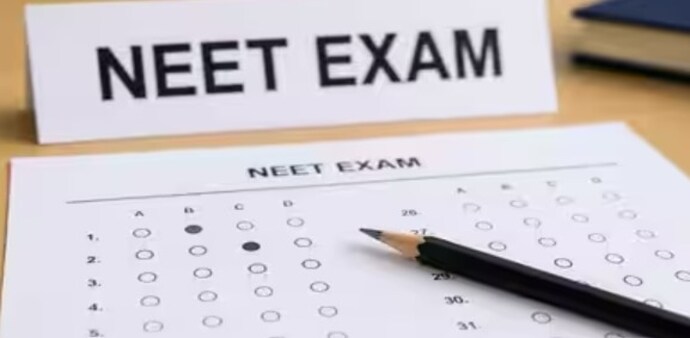
In an affidavit filed on Monday, the government stated that the shift of NEET (UG) from pen-and-paper to a computer-based format is under active consideration by all stakeholders as part of a broader overhaul of the National Testing Agency's examination processes, according to a report in The Indian Express.
The affidavit was submitted during hearings on petitions seeking reforms in the NTA framework to prevent question paper leaks. In response to the court's May 29, 2026 order on institutionalising NEET conduct to preserve lessons from previous cycles and prevent future lapses, the Centre said a multi-layered security system has been implemented to protect the integrity of national entrance exams.
The government added that any final decision on changes to NEET (UG)'s mode or design will follow recommendations from the High-Powered Task Force chaired by Nandan Nilekani. The task force includes experts from technology, space, intelligence, academia and public administration to ensure a thorough review of technological, security, equity, infrastructure and pedagogic aspects of the transition.
Announced by the Prime Minister after students ended protests over paper leaks, the task force aims to reform exams. The government has also set up fast-track courts and introduced stricter laws to address paper leaks. The affidavit referred to the Public Examination (Prevention of Unfair Means) Amendment Act, 2026, which strengthened punishments and provisions for fast-track courts against malpractices like leaks and impersonation.
Constituted on June 27, the task force includes S Somanath, former ISRO chairman; Tapan Deka, former Intelligence Bureau Director; V Kamakoti, IIT Madras Director; Anita Karwal, former School Education Secretary; and Amit Lal Meena, former Bihar Chief Secretary. The group is tasked with reviewing, recommending and guiding reforms in NEET conducted by the NTA and will submit its report within three months.
The affidavit noted that the NTA has recently moved seven of its eight major exams to computer-based testing with multi-session, multi-day schedules, including JEE (Main), CUET (UG and PG), UGC-NET and CSIR-NET. NEET (UG) remains the only major exam still held in pen-and-paper mode.
The Centre described NEET as a unique exam due to its scale, spread and the variety of courses linked to its ranking, such as MBBS, Dental, Ayush, Veterinary and Nursing. It said over 22 lakh candidates are registered, with most from rural areas and a majority being women.
NEET-UG exam row: The Centre has informed the Supreme Court that authorities are considering whether NEET (UG) for medical courses should be conducted as a single-stage examination or in two stages, similar to the JEE for engineering courses.
In an affidavit filed on Monday, the government stated that the shift of NEET (UG) from pen-and-paper to a computer-based format is under active consideration by all stakeholders as part of a broader overhaul of the National Testing Agency's examination processes, according to a report in The Indian Express.
The affidavit was submitted during hearings on petitions seeking reforms in the NTA framework to prevent question paper leaks. In response to the court's May 29, 2026 order on institutionalising NEET conduct to preserve lessons from previous cycles and prevent future lapses, the Centre said a multi-layered security system has been implemented to protect the integrity of national entrance exams.
The government added that any final decision on changes to NEET (UG)'s mode or design will follow recommendations from the High-Powered Task Force chaired by Nandan Nilekani. The task force includes experts from technology, space, intelligence, academia and public administration to ensure a thorough review of technological, security, equity, infrastructure and pedagogic aspects of the transition.
Announced by the Prime Minister after students ended protests over paper leaks, the task force aims to reform exams. The government has also set up fast-track courts and introduced stricter laws to address paper leaks. The affidavit referred to the Public Examination (Prevention of Unfair Means) Amendment Act, 2026, which strengthened punishments and provisions for fast-track courts against malpractices like leaks and impersonation.
Constituted on June 27, the task force includes S Somanath, former ISRO chairman; Tapan Deka, former Intelligence Bureau Director; V Kamakoti, IIT Madras Director; Anita Karwal, former School Education Secretary; and Amit Lal Meena, former Bihar Chief Secretary. The group is tasked with reviewing, recommending and guiding reforms in NEET conducted by the NTA and will submit its report within three months.
The affidavit noted that the NTA has recently moved seven of its eight major exams to computer-based testing with multi-session, multi-day schedules, including JEE (Main), CUET (UG and PG), UGC-NET and CSIR-NET. NEET (UG) remains the only major exam still held in pen-and-paper mode.
The Centre described NEET as a unique exam due to its scale, spread and the variety of courses linked to its ranking, such as MBBS, Dental, Ayush, Veterinary and Nursing. It said over 22 lakh candidates are registered, with most from rural areas and a majority being women.