
Nepal plans up to 1,100 MW power imports from India after floods damage hydropower projects
Nepal has about 3,740 MW of operating generation capacity, but recent weather events have taken a significant portion of it offline
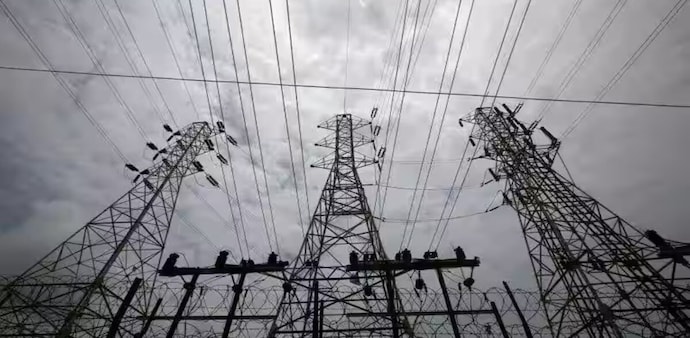
- Sep 29, 2026,
- Updated Sep 29, 2026 5:11 PM IST
Nepal is preparing to import up to 1,100 MW of electricity from India over the coming dry season after a series of floods and heavy rains damaged its hydropower infrastructure, news agency PTI reported on Tuesday.
The imports are being planned for the period from December through May 2027, when Nepal's run-of-the-river projects typically generate much less electricity. Demand is expected to be particularly high between February and May.
"Although we need to import some power from India after November, the peak period for demand lies between February and May," Nepal Electricity Authority spokesperson Rajan Dhakal said.
Nepal has about 3,740 MW of operating generation capacity, but recent weather events have taken a significant portion of it offline.
Flash floods on August 26 damaged several hydropower plants and associated infrastructure around Bhotekoshi, affecting about 450 MW of capacity.
The 190 MW Kaligandaki hydropower project was subsequently damaged by heavy monsoon rain between September 24 and 27. Together, the two events have cut about 640 MW of Nepal's generation capacity, Dhakal said.
The NEA is now working on its plan for the dry months and could seek up to 1,100 MW from India to cover the gap between domestic supply and demand.
The need for imports has not stopped Nepal from exporting electricity. The country is currently sending between 600 MW and 700 MW to India, Dhakal said.
The contrasting flows reflect Nepal's dependence on hydropower and seasonal changes in generation. During the monsoon, when its rivers are fuller and plants produce a surplus, Nepal sells electricity across the border. As generation falls during the dry months, it turns to imports.
India has expanded access to its electricity market for Nepal in recent years, allowing Kathmandu to sell surplus hydropower to Indian buyers.
The NEA expects some of the plants damaged in the Bhotekoshi floods to come back after repairs.
About 160 MW of capacity could be restored by February, Dhakal said. The 190 MW Kaligandaki project is also expected to resume generation within a couple of months.
Those restorations could reduce the pressure on Nepal's power supply when demand reaches its seasonal peak.
(With inputs from PTI)
Nepal is preparing to import up to 1,100 MW of electricity from India over the coming dry season after a series of floods and heavy rains damaged its hydropower infrastructure, news agency PTI reported on Tuesday.
The imports are being planned for the period from December through May 2027, when Nepal's run-of-the-river projects typically generate much less electricity. Demand is expected to be particularly high between February and May.
"Although we need to import some power from India after November, the peak period for demand lies between February and May," Nepal Electricity Authority spokesperson Rajan Dhakal said.
Nepal has about 3,740 MW of operating generation capacity, but recent weather events have taken a significant portion of it offline.
Flash floods on August 26 damaged several hydropower plants and associated infrastructure around Bhotekoshi, affecting about 450 MW of capacity.
The 190 MW Kaligandaki hydropower project was subsequently damaged by heavy monsoon rain between September 24 and 27. Together, the two events have cut about 640 MW of Nepal's generation capacity, Dhakal said.
The NEA is now working on its plan for the dry months and could seek up to 1,100 MW from India to cover the gap between domestic supply and demand.
The need for imports has not stopped Nepal from exporting electricity. The country is currently sending between 600 MW and 700 MW to India, Dhakal said.
The contrasting flows reflect Nepal's dependence on hydropower and seasonal changes in generation. During the monsoon, when its rivers are fuller and plants produce a surplus, Nepal sells electricity across the border. As generation falls during the dry months, it turns to imports.
India has expanded access to its electricity market for Nepal in recent years, allowing Kathmandu to sell surplus hydropower to Indian buyers.
The NEA expects some of the plants damaged in the Bhotekoshi floods to come back after repairs.
About 160 MW of capacity could be restored by February, Dhakal said. The 190 MW Kaligandaki project is also expected to resume generation within a couple of months.
Those restorations could reduce the pressure on Nepal's power supply when demand reaches its seasonal peak.
(With inputs from PTI)