
Nepal protests latest: Ramchandra Paudel hasn't resigned, says Nepalese Army
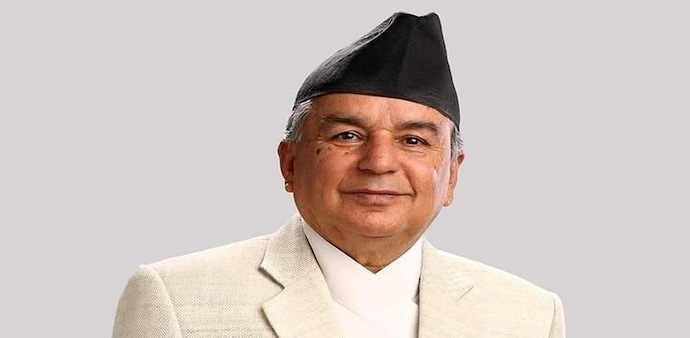
Despite conflicting reports, President Poudel has retained his position as the nation grapples with turbulent protests that have resulted in numerous casualties and widespread property damage.
- Sep 9, 2025,
- Updated Sep 9, 2025 6:53 PM IST
Nepal's political landscape remains volatile as the country's army confirmed that President Ram Chandra Poudel has not resigned, countering reports of his departure amid ongoing protests. The demonstrations have intensified following the resignation of Prime Minister KP Sharma Oli, characterised by violence and significant public unrest.
Despite conflicting reports, President Poudel has retained his position as the nation grapples with turbulent protests that have resulted in numerous casualties and widespread property damage. The unrest has been fuelled by socio-political dissatisfaction, particularly among the younger population.
The protests have led to at least 22 deaths and countless injuries, with attempts by the government to alleviate the situation proving largely ineffective. Even after reversing bans on social media, the demonstrations have continued to escalate, targeting official residences and media outlets.
Protest leaders have articulated their stance, advocating for a civilian government and new elections as a pathway to stability. "Our minimum stance is to form a civilian government led by a universally acceptable person and go for new elections," they stated, emphasising a desire for substantial political restructuring.
Vandalism has been rampant, with attacks on the President's residence and other government buildings. Significant public property has been destroyed, prompting authorities to impose an indefinite curfew in Birgunj near the Indian border.
Amidst the protests, the younger generation, particularly Gen Z, has urged for non-violent demonstrations. "This country has come under our leadership. There is no damage to public property. Let's move forward with patience," the Gen Zers said, reflecting their appeal for calm and order.
The ongoing unrest underscores the demand for a new political framework, as noted by protestors who believe the "situation has opened the way for a new political solution." This sentiment captures the growing public dissatisfaction and calls for change.
As student groups and young leaders continue to rally for reforms, the government faces increasing pressure to address the demands of its citizens while maintaining stability in this period of uncertainty.
Nepal's political landscape remains volatile as the country's army confirmed that President Ram Chandra Poudel has not resigned, countering reports of his departure amid ongoing protests. The demonstrations have intensified following the resignation of Prime Minister KP Sharma Oli, characterised by violence and significant public unrest.
Despite conflicting reports, President Poudel has retained his position as the nation grapples with turbulent protests that have resulted in numerous casualties and widespread property damage. The unrest has been fuelled by socio-political dissatisfaction, particularly among the younger population.
The protests have led to at least 22 deaths and countless injuries, with attempts by the government to alleviate the situation proving largely ineffective. Even after reversing bans on social media, the demonstrations have continued to escalate, targeting official residences and media outlets.
Protest leaders have articulated their stance, advocating for a civilian government and new elections as a pathway to stability. "Our minimum stance is to form a civilian government led by a universally acceptable person and go for new elections," they stated, emphasising a desire for substantial political restructuring.
Vandalism has been rampant, with attacks on the President's residence and other government buildings. Significant public property has been destroyed, prompting authorities to impose an indefinite curfew in Birgunj near the Indian border.
Amidst the protests, the younger generation, particularly Gen Z, has urged for non-violent demonstrations. "This country has come under our leadership. There is no damage to public property. Let's move forward with patience," the Gen Zers said, reflecting their appeal for calm and order.
The ongoing unrest underscores the demand for a new political framework, as noted by protestors who believe the "situation has opened the way for a new political solution." This sentiment captures the growing public dissatisfaction and calls for change.
As student groups and young leaders continue to rally for reforms, the government faces increasing pressure to address the demands of its citizens while maintaining stability in this period of uncertainty.