
New GST push from Nov 1: FM slams ‘black sheep’, backs swift action & respect for taxpayers
On disciplinary matters, Sitharaman was unequivocal: “Galat kiya toh khair nahi, sahi kiya toh vair nahi,” calling for swift action against erring officials and fair investigations. She also warned against fake invoices and wrongful input tax credit claims.
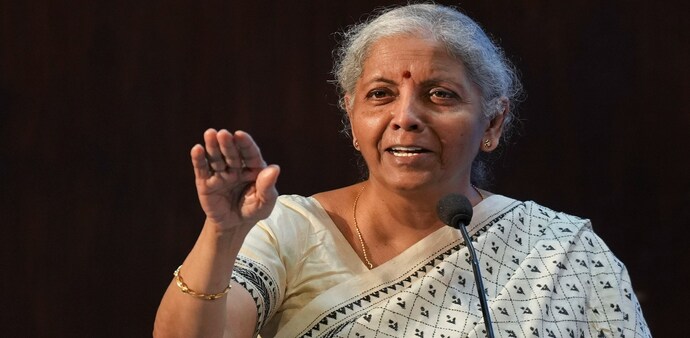
- Oct 24, 2025,
- Updated Oct 24, 2025 2:30 PM IST
Starting November 1, the Goods and Services Tax (GST) registration process will be simplified for two categories of taxpayers — small, low-risk businesses and public sector entities — with approvals to be granted within three working days, Union Finance Minister Nirmala Sitharaman announced at the inauguration of a new CGST building in Ghaziabad, Uttar Pradesh.
Speaking at the event, Sitharaman credited the Central Board of Indirect Taxes and Customs (CBIC) for accelerating the rollout of next-generation GST reforms. “CBIC worked hard to deliver these reforms before Navratri,” she said, noting a wave of market euphoria between September 22 and Diwali.
Highlighting the scope of upcoming changes — from classification clarity to process simplification and correction of inverted duty structures — she said these reforms would be remembered “for the next 100 years.”
Stressing ease of compliance, she said, “Taxpayers must not do the heavy lifting,” and pushed for greater use of technology to reduce burden. She urged CGST formations to address gaps in GST Seva Kendras, improve grievance redressal mechanisms, and systematically map recurring issues.
Sitharaman emphasised that the core objective of tax administration is to ease compliance for honest taxpayers. She urged GST officers to strictly adhere to the standard operating procedures (SoP) while showing empathy and courtesy in their dealings.
“It is important that you remain polite,” she said. “Next-generation GST isn’t just about rates or slabs — it should change how taxpayers feel.” However, she clarified that politeness should not be mistaken for leniency in enforcement.
On disciplinary matters, Sitharaman was unequivocal: “Galat kiya toh khair nahi, sahi kiya toh vair nahi,” calling for swift action against erring officials and fair investigations. She also warned against fake invoices and wrongful input tax credit (ITC) claims, expressing concern over “black sheep” damaging the CBIC’s image.
While stressing that honest taxpayers deserve to be “honourably treated,” the Minister also called for firm action against wrongdoers. “Follow the SoP to bring the bad sheep to book,” she said, adding, “but don’t look at everyone with suspicion.”
Quoting data from the Confederation of All India Traders (CAIT), Sitharaman said Diwali sales hit a record ₹6.05 lakh crore this year, up 25% from 2022. Of this, ₹5.4 lakh crore was spent on goods and ₹65,000 crore on services. She highlighted that 87% of goods sold were Indian-made, while e-commerce saw 24% year-on-year growth. The Finance Minister attributed the surge in demand to GST rate cuts.
The surge in trade also led to a significant increase in temporary employment. The Diwali season generated temporary jobs for nearly 50 lakh people in logistics, transportation, retail, packaging, and delivery, as per a CAIT report.
She concluded by urging officials to embrace a forward-looking approach. “Don’t wait for guidelines, solve problems with a thinking mind,” she said, stressing that next-gen reforms should make taxpayers feel respected — not viewed with suspicion.
Starting November 1, the Goods and Services Tax (GST) registration process will be simplified for two categories of taxpayers — small, low-risk businesses and public sector entities — with approvals to be granted within three working days, Union Finance Minister Nirmala Sitharaman announced at the inauguration of a new CGST building in Ghaziabad, Uttar Pradesh.
Speaking at the event, Sitharaman credited the Central Board of Indirect Taxes and Customs (CBIC) for accelerating the rollout of next-generation GST reforms. “CBIC worked hard to deliver these reforms before Navratri,” she said, noting a wave of market euphoria between September 22 and Diwali.
Highlighting the scope of upcoming changes — from classification clarity to process simplification and correction of inverted duty structures — she said these reforms would be remembered “for the next 100 years.”
Stressing ease of compliance, she said, “Taxpayers must not do the heavy lifting,” and pushed for greater use of technology to reduce burden. She urged CGST formations to address gaps in GST Seva Kendras, improve grievance redressal mechanisms, and systematically map recurring issues.
Sitharaman emphasised that the core objective of tax administration is to ease compliance for honest taxpayers. She urged GST officers to strictly adhere to the standard operating procedures (SoP) while showing empathy and courtesy in their dealings.
“It is important that you remain polite,” she said. “Next-generation GST isn’t just about rates or slabs — it should change how taxpayers feel.” However, she clarified that politeness should not be mistaken for leniency in enforcement.
On disciplinary matters, Sitharaman was unequivocal: “Galat kiya toh khair nahi, sahi kiya toh vair nahi,” calling for swift action against erring officials and fair investigations. She also warned against fake invoices and wrongful input tax credit (ITC) claims, expressing concern over “black sheep” damaging the CBIC’s image.
While stressing that honest taxpayers deserve to be “honourably treated,” the Minister also called for firm action against wrongdoers. “Follow the SoP to bring the bad sheep to book,” she said, adding, “but don’t look at everyone with suspicion.”
Quoting data from the Confederation of All India Traders (CAIT), Sitharaman said Diwali sales hit a record ₹6.05 lakh crore this year, up 25% from 2022. Of this, ₹5.4 lakh crore was spent on goods and ₹65,000 crore on services. She highlighted that 87% of goods sold were Indian-made, while e-commerce saw 24% year-on-year growth. The Finance Minister attributed the surge in demand to GST rate cuts.
The surge in trade also led to a significant increase in temporary employment. The Diwali season generated temporary jobs for nearly 50 lakh people in logistics, transportation, retail, packaging, and delivery, as per a CAIT report.
She concluded by urging officials to embrace a forward-looking approach. “Don’t wait for guidelines, solve problems with a thinking mind,” she said, stressing that next-gen reforms should make taxpayers feel respected — not viewed with suspicion.