
'No evidence': WHO rejects Trump's claim linking paracetamol use in pregnancy to autism
WHO noted that autism spectrum disorder affects nearly 62 million people worldwide, or 1 in 127.
- Sep 24, 2025,
- Updated Sep 24, 2025 2:51 PM IST
The World Health Organization (WHO) on Wednesday dismissed US President Donald Trump's claim that the widely used painkiller paracetamol, also known as acetaminophen, causes autism when taken during pregnancy. "WHO emphasizes that there is currently no conclusive scientific evidence confirming a possible link between autism and use of acetaminophen (also known as paracetamol) during pregnancy," the agency said in a statement.
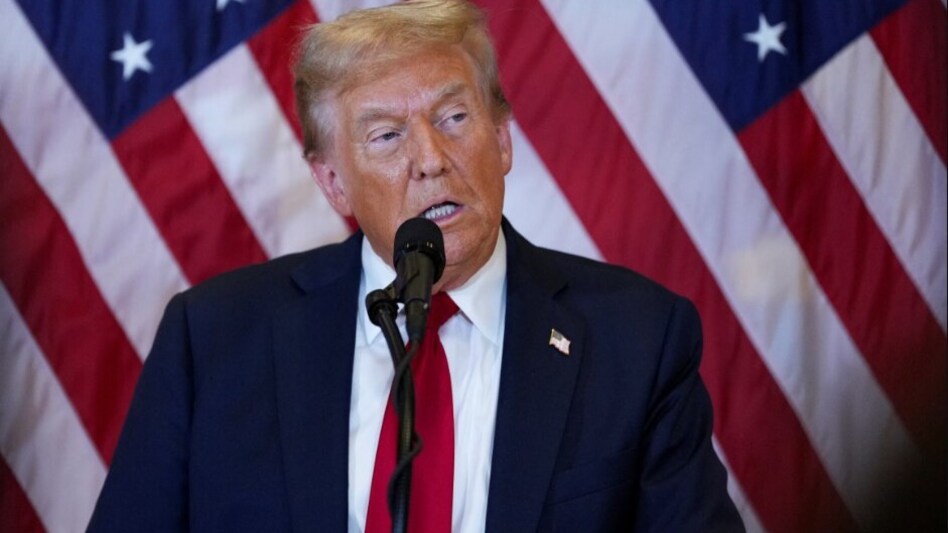
Trump made the claim on Sunday, saying doctors would soon be advised not to recommend paracetamol to pregnant women. He cited statistics showing autism diagnoses had risen in the US, stating the rate had increased from "one in 10,000… probably 18 years ago" to "one in 31" by 2025. Data from the Centers for Disease Control and Prevention (CDC) in 2022 confirmed the rate of autism diagnoses among eight-year-olds in 16 US states was one in 31.
WHO noted that autism spectrum disorder affects nearly 62 million people worldwide, or 1 in 127. It described autism as a diverse group of brain development-related conditions with no single identified cause. "Although awareness and diagnosis have improved in recent years, the exact causes of autism have not been established, and it is understood there are multiple factors that can be involved," WHO said.
The global health agency highlighted that extensive research, including large-scale studies conducted over the past decade, has not found any consistent association between paracetamol use during pregnancy and autism. It advised women to follow medical guidance. "WHO recommends that all women continue to follow advice of their doctors or health workers, who can help assess individual circumstances and recommend necessary medicines. Any medicine should be used with caution during pregnancy, especially in the first three months, and in line with advice from health professionals."
The organisation also reiterated that vaccines do not cause autism. "A robust, extensive evidence base exists showing childhood vaccines do not cause autism. Large, high-quality studies from many countries have all reached the same conclusion. Original studies suggesting a link were flawed and have been discredited," it said.
WHO stressed the importance of immunisation schedules developed with global expert input, noting these programmes have saved at least 154 million lives over the past 50 years and now protect against 30 infectious diseases. "When immunisation schedules are delayed or disrupted, or altered without evidence review, there is a sharp increase in the risk of infection not only for the child, but also for the wider community," WHO warned.
Autism and other neurodevelopmental disorders will be a priority at the 4th UN High-Level Meeting on non-communicable diseases and mental health on September 25. WHO said it is committed to advancing understanding of autism, working with partners including autistic-led organisations. "WHO also stands with people who are living with autism and their families, a dignified community entitled to evidence-based considerations free of stigma," the statement added.
The World Health Organization (WHO) on Wednesday dismissed US President Donald Trump's claim that the widely used painkiller paracetamol, also known as acetaminophen, causes autism when taken during pregnancy. "WHO emphasizes that there is currently no conclusive scientific evidence confirming a possible link between autism and use of acetaminophen (also known as paracetamol) during pregnancy," the agency said in a statement.
Trump made the claim on Sunday, saying doctors would soon be advised not to recommend paracetamol to pregnant women. He cited statistics showing autism diagnoses had risen in the US, stating the rate had increased from "one in 10,000… probably 18 years ago" to "one in 31" by 2025. Data from the Centers for Disease Control and Prevention (CDC) in 2022 confirmed the rate of autism diagnoses among eight-year-olds in 16 US states was one in 31.
WHO noted that autism spectrum disorder affects nearly 62 million people worldwide, or 1 in 127. It described autism as a diverse group of brain development-related conditions with no single identified cause. "Although awareness and diagnosis have improved in recent years, the exact causes of autism have not been established, and it is understood there are multiple factors that can be involved," WHO said.
The global health agency highlighted that extensive research, including large-scale studies conducted over the past decade, has not found any consistent association between paracetamol use during pregnancy and autism. It advised women to follow medical guidance. "WHO recommends that all women continue to follow advice of their doctors or health workers, who can help assess individual circumstances and recommend necessary medicines. Any medicine should be used with caution during pregnancy, especially in the first three months, and in line with advice from health professionals."
The organisation also reiterated that vaccines do not cause autism. "A robust, extensive evidence base exists showing childhood vaccines do not cause autism. Large, high-quality studies from many countries have all reached the same conclusion. Original studies suggesting a link were flawed and have been discredited," it said.
WHO stressed the importance of immunisation schedules developed with global expert input, noting these programmes have saved at least 154 million lives over the past 50 years and now protect against 30 infectious diseases. "When immunisation schedules are delayed or disrupted, or altered without evidence review, there is a sharp increase in the risk of infection not only for the child, but also for the wider community," WHO warned.
Autism and other neurodevelopmental disorders will be a priority at the 4th UN High-Level Meeting on non-communicable diseases and mental health on September 25. WHO said it is committed to advancing understanding of autism, working with partners including autistic-led organisations. "WHO also stands with people who are living with autism and their families, a dignified community entitled to evidence-based considerations free of stigma," the statement added.