
No more Monday closure: Red Fort to now remain open daily; check timings
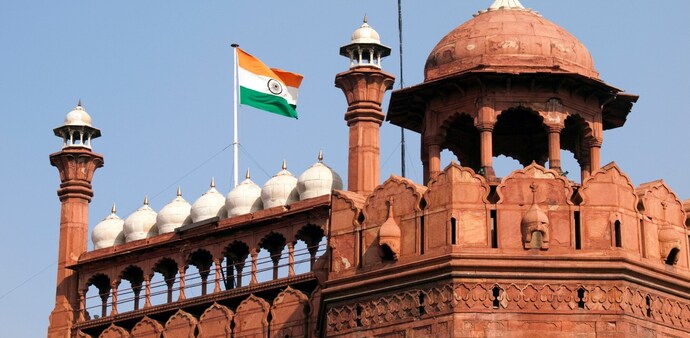
Recognised as a UNESCO World Heritage Site, the Red Fort is one of the most visited monuments in Delhi
- Feb 22, 2026,
- Updated Feb 22, 2026 11:52 AM IST
The Red Fort will now remain open to visitors on all days of the week, including Mondays.
The Archaeological Survey of India (ASI) issued an order dated February 13 in this regard. Signed by the Director General of the ASI, the directive has already come into effect, and the fort was open to visitors on February 16.
Earlier, the UNESCO World Heritage Site remained shut every Monday.
“An order has been issued by the Archaeological Survey of India (ASI), recently according to which Red Fort in Delhi will be open on all days of week, including Monday,” a senior official told news agency PTI.
Visiting hours and how to reach
The monument is open daily from sunrise to 9:00 pm.
Entry is free for children below 15 years.
Visitors from SAARC and BIMSTEC countries are charged Rs 50 per head (Rs 35 for online payment), while other foreign visitors pay Rs 600 (Rs 550 online).
For those travelling by public transport, the nearest metro station is Lal Qila Metro Station on the Violet Line. Chandni Chowk Metro Station on the Yellow Line is also located nearby.
Features and significance
Built in 1639 after Mughal emperor Shah Jahan shifted his capital from Agra to Delhi, the Red Fort served as the main residence of the Mughal emperors for nearly 200 years.
The fort is designed as an irregular octagon and is enclosed by massive red sandstone walls.
Key structures inside the complex include the Diwan-i-Am (Hall of Public Audience), the Diwan-i-Khas (Hall of Private Audience), Rang Mahal, Hammam (royal baths), Hayat-Bakhsh-Bagh gardens and the Moti Masjid, which was later added by Mughal emperor Aurangzeb.
The Peacock Throne once stood in the Diwan-i-Khas before it was taken away by Persian ruler Nader Shah in the 18th century.
Recognised as a UNESCO World Heritage Site, the Red Fort is one of the most visited monuments in Delhi and attracts both domestic and international tourists throughout the year. It also holds national importance as the Prime Minister hoists the national flag and addresses the nation from its ramparts every Independence Day.
The Red Fort will now remain open to visitors on all days of the week, including Mondays.
The Archaeological Survey of India (ASI) issued an order dated February 13 in this regard. Signed by the Director General of the ASI, the directive has already come into effect, and the fort was open to visitors on February 16.
Earlier, the UNESCO World Heritage Site remained shut every Monday.
“An order has been issued by the Archaeological Survey of India (ASI), recently according to which Red Fort in Delhi will be open on all days of week, including Monday,” a senior official told news agency PTI.
Visiting hours and how to reach
The monument is open daily from sunrise to 9:00 pm.
Entry is free for children below 15 years.
Visitors from SAARC and BIMSTEC countries are charged Rs 50 per head (Rs 35 for online payment), while other foreign visitors pay Rs 600 (Rs 550 online).
For those travelling by public transport, the nearest metro station is Lal Qila Metro Station on the Violet Line. Chandni Chowk Metro Station on the Yellow Line is also located nearby.
Features and significance
Built in 1639 after Mughal emperor Shah Jahan shifted his capital from Agra to Delhi, the Red Fort served as the main residence of the Mughal emperors for nearly 200 years.
The fort is designed as an irregular octagon and is enclosed by massive red sandstone walls.
Key structures inside the complex include the Diwan-i-Am (Hall of Public Audience), the Diwan-i-Khas (Hall of Private Audience), Rang Mahal, Hammam (royal baths), Hayat-Bakhsh-Bagh gardens and the Moti Masjid, which was later added by Mughal emperor Aurangzeb.
The Peacock Throne once stood in the Diwan-i-Khas before it was taken away by Persian ruler Nader Shah in the 18th century.
Recognised as a UNESCO World Heritage Site, the Red Fort is one of the most visited monuments in Delhi and attracts both domestic and international tourists throughout the year. It also holds national importance as the Prime Minister hoists the national flag and addresses the nation from its ramparts every Independence Day.