
'No one can call any part of India as Pakistan': SC on Karnataka HC judge's controversial remark
The controversy erupted during a recent hearing concerning a landlord-tenant dispute, where Justice Srishananda referred to a Muslim-majority area in Bengaluru as "Pakistan"
- Sep 25, 2024,
- Updated Sep 25, 2024 12:57 PM IST
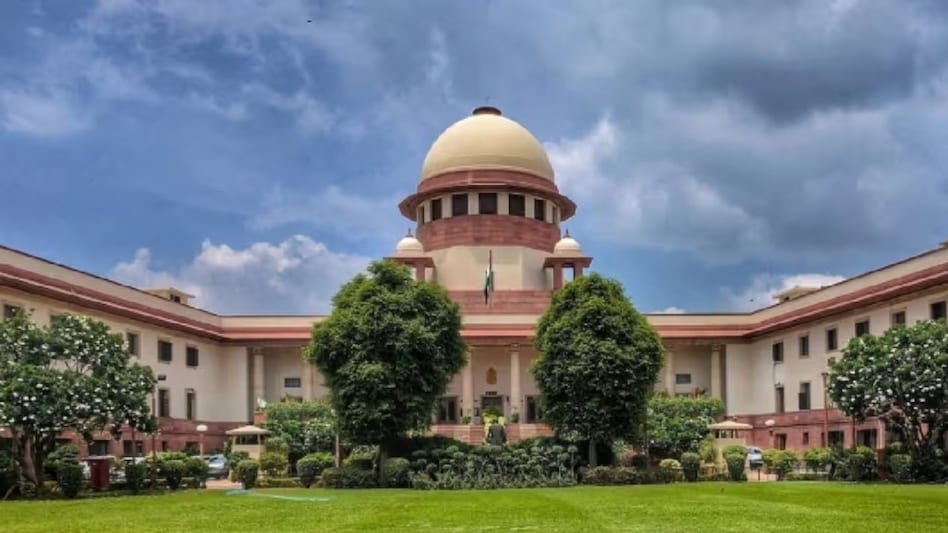
The Supreme Court of India has officially closed proceedings against Karnataka High Court Judge Justice Vedavyasachar Srishananda after he issued a public apology for his controversial comments made during court sessions.
Chief Justice of India DY Chandrachud, who presided over a five-judge bench, emphasised that the decision was made in the interest of justice and to uphold the dignity of the judiciary.
The controversy erupted during a recent hearing concerning a landlord-tenant dispute, where Justice Srishananda referred to a Muslim-majority area in Bengaluru as "Pakistan" and made a misogynistic remark directed at a woman lawyer. His comments sparked widespread outrage on social media, prompting the Supreme Court to request a report from the Karnataka High Court, which was submitted shortly after the incident.
Chief Justice Chandrachud condemned the remarks, stating, "No one can call any part of the territory of India as Pakistan. It is fundamentally against the territorial integrity of the nation." He added that transparency is essential in judicial proceedings, asserting, "The answer to sunlight is more sunlight and not to suppress what happens in court."
The Supreme Court took the initiative to address the matter, with the five-judge bench, including Justices S Khanna, B R Gavai, S Kant, and H Roy, expressing the need for clear guidelines for constitutional court judges regarding their public comments. On September 20, the bench highlighted the importance of avoiding personal biases in judicial remarks, particularly those perceived as directed at specific genders or communities.
CJI Chandrachud remarked, "Casual observations may indicate personal biases, especially when perceived to be directed at a certain gender or community. We express our serious concern about such observations, which are liable to be construed in a negative light."
He stressed that all judicial stakeholders must perform their responsibilities without bias and with caution.
The Supreme Court also noted the role of social media in amplifying courtroom proceedings, emphasizing the urgency for judicial commentary to maintain the decorum expected from courts of law.
Videos of Justice Srishananda's remarks have circulated widely on social media, with one clip showing him referring to a Muslim-dominated locality as "Pakistan" and another featuring him making inappropriate comments about a woman lawyer's knowledge of the "opposition party," suggesting she might know the colour of their undergarments.
The Supreme Court of India has officially closed proceedings against Karnataka High Court Judge Justice Vedavyasachar Srishananda after he issued a public apology for his controversial comments made during court sessions.
Chief Justice of India DY Chandrachud, who presided over a five-judge bench, emphasised that the decision was made in the interest of justice and to uphold the dignity of the judiciary.
The controversy erupted during a recent hearing concerning a landlord-tenant dispute, where Justice Srishananda referred to a Muslim-majority area in Bengaluru as "Pakistan" and made a misogynistic remark directed at a woman lawyer. His comments sparked widespread outrage on social media, prompting the Supreme Court to request a report from the Karnataka High Court, which was submitted shortly after the incident.
Chief Justice Chandrachud condemned the remarks, stating, "No one can call any part of the territory of India as Pakistan. It is fundamentally against the territorial integrity of the nation." He added that transparency is essential in judicial proceedings, asserting, "The answer to sunlight is more sunlight and not to suppress what happens in court."
The Supreme Court took the initiative to address the matter, with the five-judge bench, including Justices S Khanna, B R Gavai, S Kant, and H Roy, expressing the need for clear guidelines for constitutional court judges regarding their public comments. On September 20, the bench highlighted the importance of avoiding personal biases in judicial remarks, particularly those perceived as directed at specific genders or communities.
CJI Chandrachud remarked, "Casual observations may indicate personal biases, especially when perceived to be directed at a certain gender or community. We express our serious concern about such observations, which are liable to be construed in a negative light."
He stressed that all judicial stakeholders must perform their responsibilities without bias and with caution.
The Supreme Court also noted the role of social media in amplifying courtroom proceedings, emphasizing the urgency for judicial commentary to maintain the decorum expected from courts of law.
Videos of Justice Srishananda's remarks have circulated widely on social media, with one clip showing him referring to a Muslim-dominated locality as "Pakistan" and another featuring him making inappropriate comments about a woman lawyer's knowledge of the "opposition party," suggesting she might know the colour of their undergarments.