
'No pressure on India over Russian oil': Ukraine's envoy amid tariff tensions with US
The Ukrainian ambassador's comments come as India faces increasing pressure from the U.S. over its oil imports from Russia.
- Aug 28, 2025,
- Updated Aug 28, 2025 3:25 PM IST
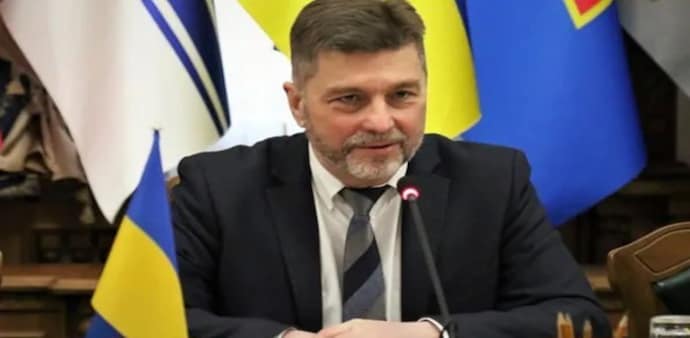
While the U.S. has slapped a tariff on India for buying Russian oil, Ukraine has said India is a "sovereign country" and "needs to defend its national interests" when it comes to purchasing crude from Moscow. Oleksandr Polishchuk, Ukraine's ambassador to India, clarified in an interview with ThePrint that Kyiv is not "pressurising" New Delhi over its oil purchases from Russia, and any concerns on the issue could be "discussed" bilaterally.
Polishchuk's comments come as India faces increasing pressure from the U.S. over its oil imports from Russia. Washington imposed an additional 25% tariff on Indian goods, effective August 27, in response to India's continued purchase of Russian crude. The total tariff on many Indian products entering the U.S. has now reached 50%.
Despite this, Polishchuk emphasised that Ukraine understands India's position. "It's not so easy to say how India should behave. We are not pressurising the Indian government. You (India) are a sovereign country. And you, of course, need to defend your national interests, but Ukraine as well, we need to defend our own national interests," he told ThePrint.
Polishchuk added that Ukraine's relationship with India would not be fundamentally harmed by India's oil trade with Russia, noting, "It is not a case which would directly influence our long (term) ties with India and you know, the current relationship with India. All such problems can be discussed bilaterally. And I’m personally very happy that our leaders have such regular communication."
While the U.S. officials have accused India of "profiteering" from the ongoing Ukraine war, policymakers in India argue that Washington's anger is not just about Russian oil. China, which is the largest buyer of Russian oil, continues to do so without facing similar penalties from the U.S. This discrepancy has raised questions about the real motivations behind the tariffs.
Scott Bessent, U.S. Treasury Secretary, almost confirmed this suspicion on Wednesday, when he stated, "This is a complicated relationship. President Trump and Prime Minister Modi have a very good relationship at that level. It's not just over the Russian oil." He acknowledged that there were other issues at play in the strained India-U.S. relations.
In fact, while the U.S. has been critical of India's oil purchases from Russia, it has been simultaneously engaged in its own energy negotiations with Moscow. Recent reports indicate that U.S. officials have been discussing energy deals with Russia, including a potential re-entry of ExxonMobil into Russia's Sakhalin-1 oil and gas project, as well as other energy-related initiatives.
These negotiations have raised eyebrows, especially considering the ongoing sanctions on Russia's energy sector. Critics argue that the U.S. stance on Russian oil is hypocritical, as it condemns India for doing business with Russia while engaging in its own dealings.
While the U.S. has slapped a tariff on India for buying Russian oil, Ukraine has said India is a "sovereign country" and "needs to defend its national interests" when it comes to purchasing crude from Moscow. Oleksandr Polishchuk, Ukraine's ambassador to India, clarified in an interview with ThePrint that Kyiv is not "pressurising" New Delhi over its oil purchases from Russia, and any concerns on the issue could be "discussed" bilaterally.
Polishchuk's comments come as India faces increasing pressure from the U.S. over its oil imports from Russia. Washington imposed an additional 25% tariff on Indian goods, effective August 27, in response to India's continued purchase of Russian crude. The total tariff on many Indian products entering the U.S. has now reached 50%.
Despite this, Polishchuk emphasised that Ukraine understands India's position. "It's not so easy to say how India should behave. We are not pressurising the Indian government. You (India) are a sovereign country. And you, of course, need to defend your national interests, but Ukraine as well, we need to defend our own national interests," he told ThePrint.
Polishchuk added that Ukraine's relationship with India would not be fundamentally harmed by India's oil trade with Russia, noting, "It is not a case which would directly influence our long (term) ties with India and you know, the current relationship with India. All such problems can be discussed bilaterally. And I’m personally very happy that our leaders have such regular communication."
While the U.S. officials have accused India of "profiteering" from the ongoing Ukraine war, policymakers in India argue that Washington's anger is not just about Russian oil. China, which is the largest buyer of Russian oil, continues to do so without facing similar penalties from the U.S. This discrepancy has raised questions about the real motivations behind the tariffs.
Scott Bessent, U.S. Treasury Secretary, almost confirmed this suspicion on Wednesday, when he stated, "This is a complicated relationship. President Trump and Prime Minister Modi have a very good relationship at that level. It's not just over the Russian oil." He acknowledged that there were other issues at play in the strained India-U.S. relations.
In fact, while the U.S. has been critical of India's oil purchases from Russia, it has been simultaneously engaged in its own energy negotiations with Moscow. Recent reports indicate that U.S. officials have been discussing energy deals with Russia, including a potential re-entry of ExxonMobil into Russia's Sakhalin-1 oil and gas project, as well as other energy-related initiatives.
These negotiations have raised eyebrows, especially considering the ongoing sanctions on Russia's energy sector. Critics argue that the U.S. stance on Russian oil is hypocritical, as it condemns India for doing business with Russia while engaging in its own dealings.