
Oil at $140, rupee near 100? Gita Gopinath warns India faces tough economic shock
The economist also downplayed fears around the rupee breaching 100 against the US dollar, saying policymakers should focus more on jobs, inflation and growth. “The relevant number is not the actual value of the exchange rate,” she said.
- May 21, 2026,
- Updated May 21, 2026 12:27 PM IST
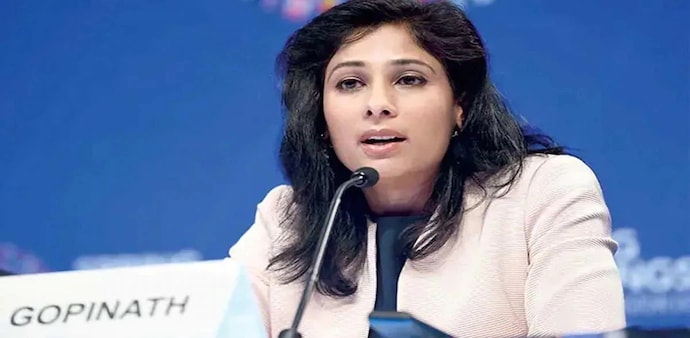
Economist Gita Gopinath has warned that India could face higher fuel prices, rising inflation and slower growth if the West Asia conflict continues into June, with crude oil potentially climbing to $140 a barrel.
Speaking to India Today TV, Gopinath said the crisis has evolved beyond rising prices into a broader supply shock affecting oil, LPG, LNG and fertilisers.
“We are certainly seeing that in India, which relies a lot on the Middle East for its fuel,” she said. “It’s not just about the prices, but it’s about the shortages.”
Her remarks come amid disruptions around the Strait of Hormuz, a key global energy route. Gopinath warned that even if tensions ease soon, supply chains could take “two to three months” to normalise.
Oil may hit $140
Gopinath said crude prices could surge further if disruptions persist.
“The estimates are that it’s going to take a lot more destruction in demand if prices have to stay at the $110 a barrel that we have right now,” she said. “It’s very likely that we’re looking, especially in June, at closer to $140 a barrel of oil.”
MUST READ | Historic low! Rupee at 100 against dollar soon? What's behind INR's free fall against USD?
For India, higher crude prices would raise transport, manufacturing and fertiliser costs, while also putting pressure on inflation and the rupee.
Fuel prices may rise
Gopinath suggested governments may not be able to fully shield consumers from the energy shock.
“Yes, having fuel prices go up at the pump will deliver the behavioural change that you need,” she said.
“The pain will have to be shared by the government having a slightly higher fiscal deficit, while at the same time some part of the price increase is passed through to households and companies.”
She warned that inflationary pressures are likely to intensify in the coming months. “We are entering a phase where inflation will keep creeping up,” she said.
Rupee at 100 not the key concern
The economist also downplayed fears around the rupee breaching 100 against the US dollar, saying policymakers should focus more on jobs, inflation and growth. “The relevant number is not the actual value of the exchange rate,” she said.
DON'T MISS | India staring at stagflation risk? How slow growth, weaker rupee to dent equity markets
The rupee has weakened from around 91 per dollar in February to nearly 97, but Gopinath argued that depreciation helps reduce imports during external shocks.
“When the currency depreciates, it helps you with the adjustment that you need, which is you cut back on imports,” she said.
She also cautioned against aggressive currency intervention despite India’s strong forex reserves. “If you try to intervene, all that happens is you lose your reserves,” she said.
Support for households, small firms
Gopinath said vulnerable households and small businesses may require targeted support if the crisis deepens.
“You will require more cash transfers to vulnerable households,” she said, while also backing guaranteed loans and liquidity support for small firms.
Despite the risks, she rejected suggestions that India was heading into a full-scale crisis, citing strong domestic demand, infrastructure spending and healthy forex reserves.
“If this conflict continues and we’re looking at oil at $140 a barrel and expected to stay there, it’s a problem not just for India. Frankly, it’s a problem for the world,” she said.
Still, Gopinath maintained: “This is definitely not a moment to panic.”
Economist Gita Gopinath has warned that India could face higher fuel prices, rising inflation and slower growth if the West Asia conflict continues into June, with crude oil potentially climbing to $140 a barrel.
Speaking to India Today TV, Gopinath said the crisis has evolved beyond rising prices into a broader supply shock affecting oil, LPG, LNG and fertilisers.
“We are certainly seeing that in India, which relies a lot on the Middle East for its fuel,” she said. “It’s not just about the prices, but it’s about the shortages.”
Her remarks come amid disruptions around the Strait of Hormuz, a key global energy route. Gopinath warned that even if tensions ease soon, supply chains could take “two to three months” to normalise.
Oil may hit $140
Gopinath said crude prices could surge further if disruptions persist.
“The estimates are that it’s going to take a lot more destruction in demand if prices have to stay at the $110 a barrel that we have right now,” she said. “It’s very likely that we’re looking, especially in June, at closer to $140 a barrel of oil.”
MUST READ | Historic low! Rupee at 100 against dollar soon? What's behind INR's free fall against USD?
For India, higher crude prices would raise transport, manufacturing and fertiliser costs, while also putting pressure on inflation and the rupee.
Fuel prices may rise
Gopinath suggested governments may not be able to fully shield consumers from the energy shock.
“Yes, having fuel prices go up at the pump will deliver the behavioural change that you need,” she said.
“The pain will have to be shared by the government having a slightly higher fiscal deficit, while at the same time some part of the price increase is passed through to households and companies.”
She warned that inflationary pressures are likely to intensify in the coming months. “We are entering a phase where inflation will keep creeping up,” she said.
Rupee at 100 not the key concern
The economist also downplayed fears around the rupee breaching 100 against the US dollar, saying policymakers should focus more on jobs, inflation and growth. “The relevant number is not the actual value of the exchange rate,” she said.
DON'T MISS | India staring at stagflation risk? How slow growth, weaker rupee to dent equity markets
The rupee has weakened from around 91 per dollar in February to nearly 97, but Gopinath argued that depreciation helps reduce imports during external shocks.
“When the currency depreciates, it helps you with the adjustment that you need, which is you cut back on imports,” she said.
She also cautioned against aggressive currency intervention despite India’s strong forex reserves. “If you try to intervene, all that happens is you lose your reserves,” she said.
Support for households, small firms
Gopinath said vulnerable households and small businesses may require targeted support if the crisis deepens.
“You will require more cash transfers to vulnerable households,” she said, while also backing guaranteed loans and liquidity support for small firms.
Despite the risks, she rejected suggestions that India was heading into a full-scale crisis, citing strong domestic demand, infrastructure spending and healthy forex reserves.
“If this conflict continues and we’re looking at oil at $140 a barrel and expected to stay there, it’s a problem not just for India. Frankly, it’s a problem for the world,” she said.
Still, Gopinath maintained: “This is definitely not a moment to panic.”