
'Old days of India signing on to anti-Israel resolution are over': Expert sees shift in New Delhi's stance on Middle East
New Delhi had not participated in the discussions on the SCO statement issued Saturday condemning Israel’s June 13 strikes on Iran
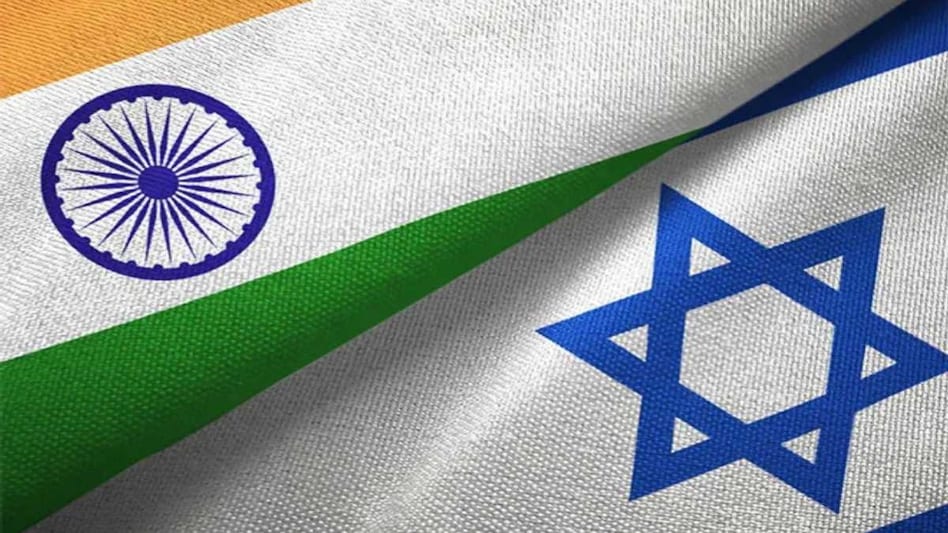
- Jun 15, 2025,
- Updated Jun 15, 2025 12:16 PM IST
India's decision to stay out of the Shanghai Cooperation Organization’s (SCO) condemnation of Israel's military strike on Iran has drawn attention from foreign policy analysts, with author and commentator Sadanand Dhume saying the move signals a broader change in India's Middle East posture.
"Nobody should be surprised that India refused to sign on to the Shanghai Cooperation Organization's condemnation of Israel’s attack on Iran,” Dhume said in a post on Saturday. "During India's recent conflict with Pakistan, Israel unequivocally stood with India. Israel is a major arms supplier to India. (This includes a degree of tech transfer and joint ventures between Israeli and Indian companies.)"
"In Iran's funding and arming of the terrorist groups Hamas and Hezbollah New Delhi sees echoes of Pakistan’s backing of Islamist terrorist groups that murder Indians,” Shume added. "India recognizes that a nuclear Iran led by ideologically driven mullahs would add more volatility to a volatile neighborhood."
While cautioning that India is unlikely to openly back Israel as strongly as the US might, he said India's policy has evolved: "This does not mean that India will publicly back Israel in the manner of a close Israeli ally like the United States. India has to juggle multiple interests in the Middle East, including ties with Tehran and the Gulf Arab states (some of which will be privately happy to see Iranian power clipped). But it does mean that the old days of India reflexively signing on to every anti-Israel resolution are over."
His remarks came shortly after India's Ministry of External Affairs (MEA) confirmed that New Delhi had not participated in the discussions on the SCO statement issued Saturday condemning Israel’s June 13 strikes on Iran.
In its statement, the MEA reiterated India's position: "The SCO has issued a statement on recent developments between Israel and Iran. India's own position on the matter had been articulated by us on June 13, 2025, and remains the same. We urge that channels of dialogue and diplomacy be utilised to work towards de-escalation and it is essential that the international community undertake endeavours in that direction."
The ministry added that External Affairs Minister S Jaishankar had also spoken to his Iranian counterpart, expressing "the deep concern of the international community at the turn of events” and urging the “avoidance of any escalatory steps and an early return to diplomacy."
India noted it had informed other SCO members of its position in advance and said: "Keeping that in mind, India did not participate in the discussions on the above-mentioned SCO statement."
The SCO statement had strongly condemned Israel’s military action, calling it a “gross violation of international law” and a threat to regional and global peace.
India's decision to stay out of the Shanghai Cooperation Organization’s (SCO) condemnation of Israel's military strike on Iran has drawn attention from foreign policy analysts, with author and commentator Sadanand Dhume saying the move signals a broader change in India's Middle East posture.
"Nobody should be surprised that India refused to sign on to the Shanghai Cooperation Organization's condemnation of Israel’s attack on Iran,” Dhume said in a post on Saturday. "During India's recent conflict with Pakistan, Israel unequivocally stood with India. Israel is a major arms supplier to India. (This includes a degree of tech transfer and joint ventures between Israeli and Indian companies.)"
"In Iran's funding and arming of the terrorist groups Hamas and Hezbollah New Delhi sees echoes of Pakistan’s backing of Islamist terrorist groups that murder Indians,” Shume added. "India recognizes that a nuclear Iran led by ideologically driven mullahs would add more volatility to a volatile neighborhood."
While cautioning that India is unlikely to openly back Israel as strongly as the US might, he said India's policy has evolved: "This does not mean that India will publicly back Israel in the manner of a close Israeli ally like the United States. India has to juggle multiple interests in the Middle East, including ties with Tehran and the Gulf Arab states (some of which will be privately happy to see Iranian power clipped). But it does mean that the old days of India reflexively signing on to every anti-Israel resolution are over."
His remarks came shortly after India's Ministry of External Affairs (MEA) confirmed that New Delhi had not participated in the discussions on the SCO statement issued Saturday condemning Israel’s June 13 strikes on Iran.
In its statement, the MEA reiterated India's position: "The SCO has issued a statement on recent developments between Israel and Iran. India's own position on the matter had been articulated by us on June 13, 2025, and remains the same. We urge that channels of dialogue and diplomacy be utilised to work towards de-escalation and it is essential that the international community undertake endeavours in that direction."
The ministry added that External Affairs Minister S Jaishankar had also spoken to his Iranian counterpart, expressing "the deep concern of the international community at the turn of events” and urging the “avoidance of any escalatory steps and an early return to diplomacy."
India noted it had informed other SCO members of its position in advance and said: "Keeping that in mind, India did not participate in the discussions on the above-mentioned SCO statement."
The SCO statement had strongly condemned Israel’s military action, calling it a “gross violation of international law” and a threat to regional and global peace.