
'One can't take Pakistan out of Bangladesh': Author sounds alarm as Yunus eyes the exit
Army Chief General Waker-uz-Zaman’s closed-door meet with senior officers reportedly carried a stern message about safeguarding national sovereignty and rejecting foreign interference—language that observers see as signalling a more assertive role for the military in civil affairs.
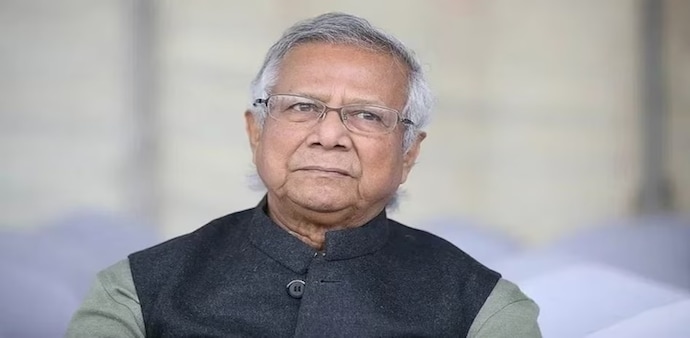
- May 24, 2025,
- Updated May 24, 2025 10:48 AM IST
Tensions are rising in Dhaka as a silent realignment reshapes Bangladesh’s power corridors. A reportedly closed-door military meet, a surprise bureaucratic shake-up, and whispers of resignation from interim leader Muhammad Yunus have pushed the country into a fresh phase of political volatility.
Amid this churn, author Sandip Ghose offered a cutting observation: “Bangladesh was created out of Pakistan, but one couldn’t take Pakistan out of Bangladesh.” His remark, posted on X, came in response to the unfolding events—an implicit warning that the country may be sliding back into a familiar pattern of military overreach and institutional erosion.
The signs are difficult to dismiss. Army Chief General Waker-uz-Zaman’s closed-door meet with senior officers reportedly carried a stern message about safeguarding national sovereignty and rejecting foreign interference—language that observers see as signalling a more assertive role for the military in civil affairs.
The abrupt removal of Bangladesh’s foreign secretary without explanation has only heightened suspicion of a deeper recalibration of authority at the top.
Yunus, the Nobel laureate who assumed leadership last year after a student-led uprising ousted Prime Minister Sheikh Hasina, is reportedly struggling to maintain control.
In a meeting with National Citizen Party leader Nihad Islam, Yunus is said to have offered to resign due to mounting resistance from political parties. “He was upset,” Islam said. “He feels blocked from implementing the reforms he promised.”
The political climate is turning sharper by the hour. The BNP and Jamaat-e-Islami have demanded early elections, the removal of interim advisers, and even a referendum on what is being called the “July Charter.” Hints of banning major parties like the Awami League have further fueled speculation of an authoritarian tilt.
Diplomats in Dhaka say the next 48 hours could prove pivotal.
Adding fuel to the fire, writer Taslima Nasreen has called for Yunus’s arrest, accusing him of enabling radical mobs, unleashing unrest, and jailing innocents. “Why should he be allowed to live in comfort abroad? He must be punished,” she posted.
Tensions are rising in Dhaka as a silent realignment reshapes Bangladesh’s power corridors. A reportedly closed-door military meet, a surprise bureaucratic shake-up, and whispers of resignation from interim leader Muhammad Yunus have pushed the country into a fresh phase of political volatility.
Amid this churn, author Sandip Ghose offered a cutting observation: “Bangladesh was created out of Pakistan, but one couldn’t take Pakistan out of Bangladesh.” His remark, posted on X, came in response to the unfolding events—an implicit warning that the country may be sliding back into a familiar pattern of military overreach and institutional erosion.
The signs are difficult to dismiss. Army Chief General Waker-uz-Zaman’s closed-door meet with senior officers reportedly carried a stern message about safeguarding national sovereignty and rejecting foreign interference—language that observers see as signalling a more assertive role for the military in civil affairs.
The abrupt removal of Bangladesh’s foreign secretary without explanation has only heightened suspicion of a deeper recalibration of authority at the top.
Yunus, the Nobel laureate who assumed leadership last year after a student-led uprising ousted Prime Minister Sheikh Hasina, is reportedly struggling to maintain control.
In a meeting with National Citizen Party leader Nihad Islam, Yunus is said to have offered to resign due to mounting resistance from political parties. “He was upset,” Islam said. “He feels blocked from implementing the reforms he promised.”
The political climate is turning sharper by the hour. The BNP and Jamaat-e-Islami have demanded early elections, the removal of interim advisers, and even a referendum on what is being called the “July Charter.” Hints of banning major parties like the Awami League have further fueled speculation of an authoritarian tilt.
Diplomats in Dhaka say the next 48 hours could prove pivotal.
Adding fuel to the fire, writer Taslima Nasreen has called for Yunus’s arrest, accusing him of enabling radical mobs, unleashing unrest, and jailing innocents. “Why should he be allowed to live in comfort abroad? He must be punished,” she posted.