
Operation Urja Suraksha: How India is protecting its energy lifelines amid West Asia tensions
The operation involves deploying multiple frontline warships to escort or guide merchant vessels carrying energy supplies to India, helping them navigate through potentially hostile waters.
- Mar 27, 2026,
- Updated Mar 27, 2026 2:55 PM IST
India has launched Operation Urja Suraksha, a strategic naval mission aimed at safeguarding the country’s critical energy supplies moving through the conflict-prone waters of the Middle East. The operation comes amid heightened tensions in West Asia that have raised concerns about disruptions to global oil and gas shipments.
What is Operation Urja Suraksha?
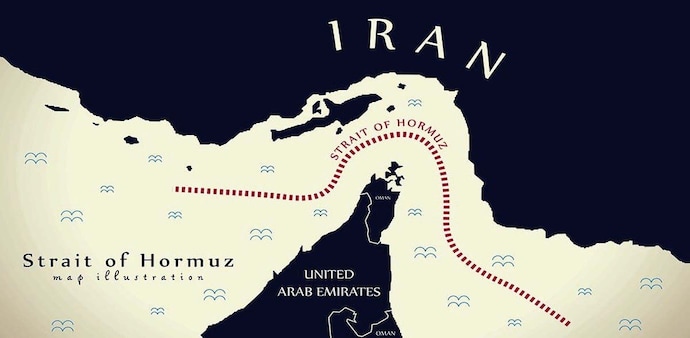
Operation Urja Suraksha is an Indian naval deployment designed to ensure the safe passage of India-bound oil, liquefied natural gas (LNG), and liquefied petroleum gas (LPG) tankers through the Strait of Hormuz, one of the world’s most important and sensitive maritime chokepoints.
Also read: Iran hails nations during 83rd wave of missile strike on Israel
The operation involves deploying multiple frontline warships to escort or guide merchant vessels carrying energy supplies to India, helping them navigate through potentially hostile waters.
Why the operation was launched
The mission was initiated as tensions escalated across West Asia, raising fears that commercial shipping routes could be disrupted. The Strait of Hormuz is particularly critical because a large share of India’s crude oil and gas imports pass through this narrow waterway connecting the Persian Gulf to the Gulf of Oman.
Any disruption in this route could threaten India’s energy security, affect fuel availability, and trigger price volatility. To prevent such risks, the Indian Navy moved to provide security cover for Indian-flagged ships and cargo vessels heading to Indian ports.
Naval deployment and operations
Under the operation, several Indian naval assets — including destroyers and frigates — have been stationed in and around the Gulf region. These warships maintain contact with merchant vessels and guide them safely after they clear the Strait of Hormuz.
The Navy also provides:
- Escort and protection for Indian-flagged tankers
- Navigation guidance through designated safe routes
- Maritime surveillance to detect potential threats
- Coordination with regional authorities to ensure secure transit
The presence of Indian warships helps reassure shipping companies and ensures that cargo ships carrying crude oil, LNG and LPG can safely continue their journeys to India.
Protecting India’s energy supply
India is heavily dependent on imported hydrocarbons, particularly from Gulf countries. A significant portion of these supplies travels through the Strait of Hormuz, making the route a strategic vulnerability during geopolitical crises.
By launching Operation Urja Suraksha, India aims to prevent disruptions to energy imports and maintain stable fuel supplies at home. The operation also reflects New Delhi’s broader strategy of using naval power to protect its economic and energy interests overseas.
Operation Urja Suraksha builds on earlier Indian naval missions in the region, such as Operation Sankalp, which was launched to safeguard commercial shipping during previous Gulf tensions.
India has launched Operation Urja Suraksha, a strategic naval mission aimed at safeguarding the country’s critical energy supplies moving through the conflict-prone waters of the Middle East. The operation comes amid heightened tensions in West Asia that have raised concerns about disruptions to global oil and gas shipments.
What is Operation Urja Suraksha?
Operation Urja Suraksha is an Indian naval deployment designed to ensure the safe passage of India-bound oil, liquefied natural gas (LNG), and liquefied petroleum gas (LPG) tankers through the Strait of Hormuz, one of the world’s most important and sensitive maritime chokepoints.
Also read: Iran hails nations during 83rd wave of missile strike on Israel
The operation involves deploying multiple frontline warships to escort or guide merchant vessels carrying energy supplies to India, helping them navigate through potentially hostile waters.
Why the operation was launched
The mission was initiated as tensions escalated across West Asia, raising fears that commercial shipping routes could be disrupted. The Strait of Hormuz is particularly critical because a large share of India’s crude oil and gas imports pass through this narrow waterway connecting the Persian Gulf to the Gulf of Oman.
Any disruption in this route could threaten India’s energy security, affect fuel availability, and trigger price volatility. To prevent such risks, the Indian Navy moved to provide security cover for Indian-flagged ships and cargo vessels heading to Indian ports.
Naval deployment and operations
Under the operation, several Indian naval assets — including destroyers and frigates — have been stationed in and around the Gulf region. These warships maintain contact with merchant vessels and guide them safely after they clear the Strait of Hormuz.
The Navy also provides:
- Escort and protection for Indian-flagged tankers
- Navigation guidance through designated safe routes
- Maritime surveillance to detect potential threats
- Coordination with regional authorities to ensure secure transit
The presence of Indian warships helps reassure shipping companies and ensures that cargo ships carrying crude oil, LNG and LPG can safely continue their journeys to India.
Protecting India’s energy supply
India is heavily dependent on imported hydrocarbons, particularly from Gulf countries. A significant portion of these supplies travels through the Strait of Hormuz, making the route a strategic vulnerability during geopolitical crises.
By launching Operation Urja Suraksha, India aims to prevent disruptions to energy imports and maintain stable fuel supplies at home. The operation also reflects New Delhi’s broader strategy of using naval power to protect its economic and energy interests overseas.
Operation Urja Suraksha builds on earlier Indian naval missions in the region, such as Operation Sankalp, which was launched to safeguard commercial shipping during previous Gulf tensions.