
Over 2 lakh fake ENO, Nescafé packets seized in Delhi crackdown: How the racket was busted
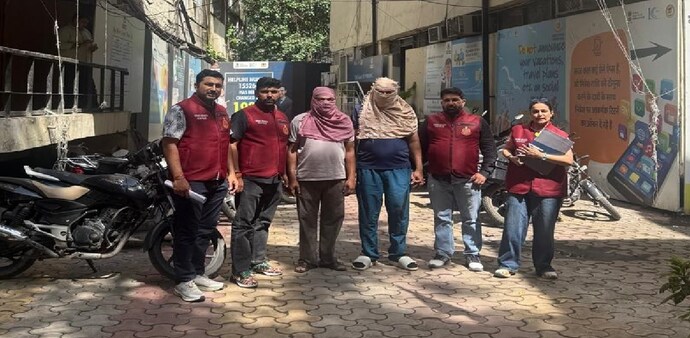
Police have arrested four individuals and are now tracing the broader distribution chain, which may extend beyond Delhi into other regions.
- Apr 23, 2026,
- Updated Apr 23, 2026 1:57 PM IST
A routine purchase of an antacid sachet or a cup of instant coffee may no longer be as harmless as it seems. A recent crackdown by the Delhi Police has exposed a large-scale counterfeit operation involving fake ENO and Nescafé products — raising serious concerns about food safety, consumer awareness, and the growing sophistication of illegal supply chains.
The racket was uncovered in East Delhi’s Madhu Vihar, where two rented flats were being used as illegal manufacturing units. What looked like ordinary residential spaces were, in reality, hubs of a well-organised counterfeit network.
During the raid, police found workers actively filling, sealing and packaging fake sachets designed to closely mimic well-known brands. The scale was significant — over 1 lakh fake ENO sachets and around 50,000 counterfeit coffee packets were seized, along with machinery and raw materials.
Authorities estimate the total value of seized goods at nearly ₹20 lakh, indicating a business that had already moved beyond small-scale duplication into structured distribution.
How the counterfeit chain worked
Investigators say the operation had been running for at least a couple of months and involved multiple actors — from on-site workers to a wider supply network.
The accused allegedly sourced cheap, substandard materials, repackaged them in branded-looking sachets, and pushed them into wholesale and retail channels. The packaging was convincing enough to make it difficult for consumers — and even retailers — to distinguish fake from genuine products.
Police have arrested four individuals and are now tracing the broader distribution chain, which may extend beyond Delhi into other regions.
What makes this case particularly worrying
This is not just a case of trademark violation — it is a public health risk. ENO is commonly used for acidity and digestion, while instant coffee is a daily staple. Counterfeit versions made with unregulated or chemical-laden ingredients could pose serious health hazards.
Officials recovered drums of acid and large quantities of loose coffee powder, raising concerns about what exactly went into these fake consumables.
The fact that such products may already have reached markets means unsuspecting consumers could have ingested them without any warning signs.
Experts say the economics are simple: high demand, low production cost, and large margins make everyday consumables an attractive target for counterfeiters.
While authorities continue their investigation, the case underscores the need for vigilance:
- Check packaging quality — poor sealing, faded print, or spelling errors can be red flags
- Avoid unusually cheap deals, especially in bulk purchases
- Buy from trusted retailers or verified platforms
- For products like coffee, basic home checks can help detect adulteration
This bust is part of a broader trend of counterfeit and adulterated food products entering Indian markets. From fake sauces to spurious packaged goods, enforcement agencies are increasingly encountering organised networks that exploit brand trust and weak oversight.
A routine purchase of an antacid sachet or a cup of instant coffee may no longer be as harmless as it seems. A recent crackdown by the Delhi Police has exposed a large-scale counterfeit operation involving fake ENO and Nescafé products — raising serious concerns about food safety, consumer awareness, and the growing sophistication of illegal supply chains.
The racket was uncovered in East Delhi’s Madhu Vihar, where two rented flats were being used as illegal manufacturing units. What looked like ordinary residential spaces were, in reality, hubs of a well-organised counterfeit network.
During the raid, police found workers actively filling, sealing and packaging fake sachets designed to closely mimic well-known brands. The scale was significant — over 1 lakh fake ENO sachets and around 50,000 counterfeit coffee packets were seized, along with machinery and raw materials.
Authorities estimate the total value of seized goods at nearly ₹20 lakh, indicating a business that had already moved beyond small-scale duplication into structured distribution.
How the counterfeit chain worked
Investigators say the operation had been running for at least a couple of months and involved multiple actors — from on-site workers to a wider supply network.
The accused allegedly sourced cheap, substandard materials, repackaged them in branded-looking sachets, and pushed them into wholesale and retail channels. The packaging was convincing enough to make it difficult for consumers — and even retailers — to distinguish fake from genuine products.
Police have arrested four individuals and are now tracing the broader distribution chain, which may extend beyond Delhi into other regions.
What makes this case particularly worrying
This is not just a case of trademark violation — it is a public health risk. ENO is commonly used for acidity and digestion, while instant coffee is a daily staple. Counterfeit versions made with unregulated or chemical-laden ingredients could pose serious health hazards.
Officials recovered drums of acid and large quantities of loose coffee powder, raising concerns about what exactly went into these fake consumables.
The fact that such products may already have reached markets means unsuspecting consumers could have ingested them without any warning signs.
Experts say the economics are simple: high demand, low production cost, and large margins make everyday consumables an attractive target for counterfeiters.
While authorities continue their investigation, the case underscores the need for vigilance:
- Check packaging quality — poor sealing, faded print, or spelling errors can be red flags
- Avoid unusually cheap deals, especially in bulk purchases
- Buy from trusted retailers or verified platforms
- For products like coffee, basic home checks can help detect adulteration
This bust is part of a broader trend of counterfeit and adulterated food products entering Indian markets. From fake sauces to spurious packaged goods, enforcement agencies are increasingly encountering organised networks that exploit brand trust and weak oversight.