
Ozempic gets India nod: Drug regulator approves Novo Nordisk’s blockbuster diabetes drug
Ozempic, marketed by Novo Nordisk in India, is primarily indicated for the treatment of type 2 diabetes. While it can lead to moderate weight loss as a secondary effect due to its action as a GLP-1 receptor agonist, it is not approved for obesity management.
- Sep 26, 2025,
- Updated Sep 26, 2025 9:44 PM IST
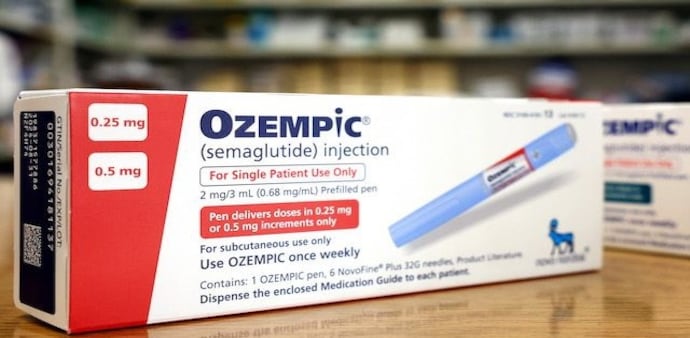
The Central Drugs Standard Control Organization (CDSCO) has granted approval to Novo Nordisk’s blockbuster drug, Ozempic (Semaglutide injection), for use in India. The approval, announced on September 26, allows Ozempic to be prescribed for Type 2 Diabetes as an adjunct to diet and exercise.
Delivered as an injectable solution, Ozempic (0.25mg, 0.5mg and 1mg) is a GLP-1 receptor agonist that improves glycaemic control. Clinical studies have also explored its effects on cardiovascular and kidney outcomes, and the therapy can be combined with other antidiabetic medications for comprehensive management, the drug regulator noted.
Ozempic, marketed by Novo Nordisk in India, is primarily indicated for the treatment of type 2 diabetes. While it can lead to moderate weight loss as a secondary effect due to its action as a GLP-1 receptor agonist, it is not approved for obesity management.
Novo Nordisk already markets Wegovy in India for obesity management, while Ozempic is indicated for type 2 diabetes. The entry of Ozempic strengthens Novo Nordisk’s position in the growing GLP-1 segment. The company advanced the Wegovy launch from 2026 to June 2025, responding to rising patient demand and improved global supply. Competition is intensifying following Eli Lilly’s launch of Mounjaro (tirzepatide) in March 2025, a once-weekly injectable approved for both type 2 diabetes and obesity that targets GLP-1 and GIP receptors.
Vikrant Shrotriya, India Managing Director of Novo Nordisk, highlighted the therapy’s clinical benefits and potential impact. “Ozempic has shown effectiveness in managing type 2 diabetes,” he said. “Clinical trials have also indicated weight loss benefits and reduced cardiovascular and kidney risks, making it a treatment option with multiple benefits for patient health.”
India faces a growing burden of non-communicable diseases, with 101 million people living with type 2 diabetes, 254 million overweight or obese, and cardiovascular diseases among the leading causes of death. Shrotriya noted that rising health awareness, urbanisation, and expanding healthcare infrastructure are expected to support the adoption of advanced therapies.
Novo Nordisk also markets Rybelsus, the oral form of semaglutide, alongside Wegovy for obesity. “From oral medication to advanced obesity care and now Ozempic for type 2 diabetes, cardiovascular disease, and chronic kidney disease, our portfolio is designed to meet diverse patient needs and support better health outcomes,” Shrotriya said.
He added that Ozempic’s profile, covering glycaemic control, weight reduction, and cardiovascular and kidney risk benefits, positions it as a preferred choice for healthcare providers. “While older drug classes like DPP-4 inhibitors, SGLT-2 inhibitors, and insulins will continue to be used, GLP-1 therapies are increasingly recognised for their broader benefits, in line with evolving treatment guidelines and patient requirements,” he said.
Globally, Ozempic is already widely recognised, with over 7.25 million users. “Familiarity among doctors and patients will support adoption in India through physician education, awareness programmes, and patient engagement initiatives,” Shrotriya said.
On the supply front, he confirmed that Novo Nordisk does not anticipate any constraints. The company is also exploring therapies for cardiovascular disease, kidney disease, metabolic dysfunction-associated steatohepatitis (MASH), and Alzheimer’s, aiming for prompt introduction in India.
Shrotriya highlighted that in several countries, semaglutide is included in insurance or government plans due to its clinical benefits. “We see a case for similar coverage in India wherever possible,” he said.
With the launch of Ozempic, Novo Nordisk aims to expand treatment options for type 2 diabetes and related conditions, supporting improved management of chronic diseases across the country.
Industry analysts say the approval could broaden treatment options for patients struggling to reach glycaemic targets, particularly those who cannot tolerate first-line therapies. India’s anti-obesity drug market, currently valued at Rs 3,000-3,500 crore, is projected to grow nearly eightfold to Rs 25,000 crore by 2030, according to estimates by IMARC.
The Central Drugs Standard Control Organization (CDSCO) has granted approval to Novo Nordisk’s blockbuster drug, Ozempic (Semaglutide injection), for use in India. The approval, announced on September 26, allows Ozempic to be prescribed for Type 2 Diabetes as an adjunct to diet and exercise.
Delivered as an injectable solution, Ozempic (0.25mg, 0.5mg and 1mg) is a GLP-1 receptor agonist that improves glycaemic control. Clinical studies have also explored its effects on cardiovascular and kidney outcomes, and the therapy can be combined with other antidiabetic medications for comprehensive management, the drug regulator noted.
Ozempic, marketed by Novo Nordisk in India, is primarily indicated for the treatment of type 2 diabetes. While it can lead to moderate weight loss as a secondary effect due to its action as a GLP-1 receptor agonist, it is not approved for obesity management.
Novo Nordisk already markets Wegovy in India for obesity management, while Ozempic is indicated for type 2 diabetes. The entry of Ozempic strengthens Novo Nordisk’s position in the growing GLP-1 segment. The company advanced the Wegovy launch from 2026 to June 2025, responding to rising patient demand and improved global supply. Competition is intensifying following Eli Lilly’s launch of Mounjaro (tirzepatide) in March 2025, a once-weekly injectable approved for both type 2 diabetes and obesity that targets GLP-1 and GIP receptors.
Vikrant Shrotriya, India Managing Director of Novo Nordisk, highlighted the therapy’s clinical benefits and potential impact. “Ozempic has shown effectiveness in managing type 2 diabetes,” he said. “Clinical trials have also indicated weight loss benefits and reduced cardiovascular and kidney risks, making it a treatment option with multiple benefits for patient health.”
India faces a growing burden of non-communicable diseases, with 101 million people living with type 2 diabetes, 254 million overweight or obese, and cardiovascular diseases among the leading causes of death. Shrotriya noted that rising health awareness, urbanisation, and expanding healthcare infrastructure are expected to support the adoption of advanced therapies.
Novo Nordisk also markets Rybelsus, the oral form of semaglutide, alongside Wegovy for obesity. “From oral medication to advanced obesity care and now Ozempic for type 2 diabetes, cardiovascular disease, and chronic kidney disease, our portfolio is designed to meet diverse patient needs and support better health outcomes,” Shrotriya said.
He added that Ozempic’s profile, covering glycaemic control, weight reduction, and cardiovascular and kidney risk benefits, positions it as a preferred choice for healthcare providers. “While older drug classes like DPP-4 inhibitors, SGLT-2 inhibitors, and insulins will continue to be used, GLP-1 therapies are increasingly recognised for their broader benefits, in line with evolving treatment guidelines and patient requirements,” he said.
Globally, Ozempic is already widely recognised, with over 7.25 million users. “Familiarity among doctors and patients will support adoption in India through physician education, awareness programmes, and patient engagement initiatives,” Shrotriya said.
On the supply front, he confirmed that Novo Nordisk does not anticipate any constraints. The company is also exploring therapies for cardiovascular disease, kidney disease, metabolic dysfunction-associated steatohepatitis (MASH), and Alzheimer’s, aiming for prompt introduction in India.
Shrotriya highlighted that in several countries, semaglutide is included in insurance or government plans due to its clinical benefits. “We see a case for similar coverage in India wherever possible,” he said.
With the launch of Ozempic, Novo Nordisk aims to expand treatment options for type 2 diabetes and related conditions, supporting improved management of chronic diseases across the country.
Industry analysts say the approval could broaden treatment options for patients struggling to reach glycaemic targets, particularly those who cannot tolerate first-line therapies. India’s anti-obesity drug market, currently valued at Rs 3,000-3,500 crore, is projected to grow nearly eightfold to Rs 25,000 crore by 2030, according to estimates by IMARC.