
PM Narendra Modi to convene meeting on March 15 to choose new Election Commissioner
This move comes in response to the vacancies created by the retirement of Anup Chandra Pandey and the unexpected resignation of Arun Goel.
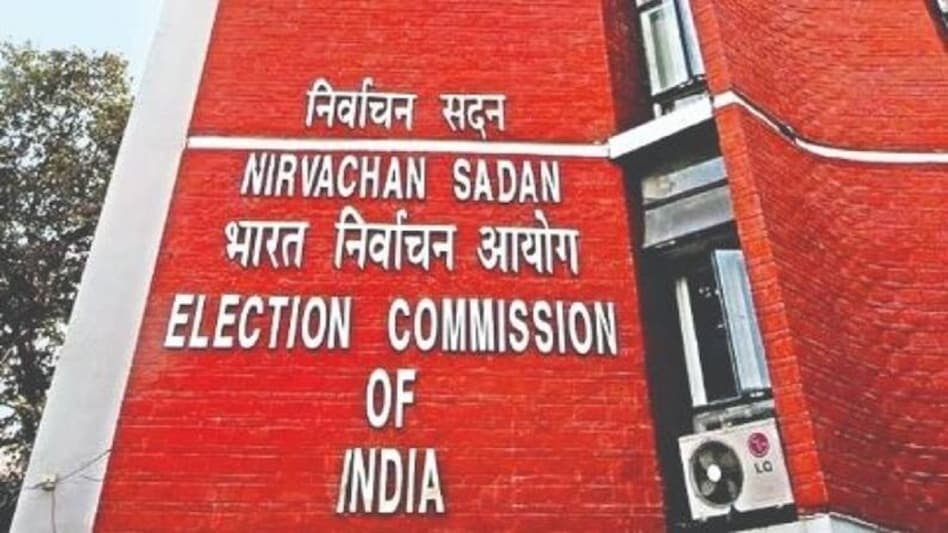
- Mar 10, 2024,
- Updated Mar 15, 2024 3:12 PM IST
Prime Minister Narendra Modi has scheduled a meeting on March 15 to finalize the appointment of two new election commissioners. This move comes in response to the vacancies created by the retirement of Anup Chandra Pandey and the unexpected resignation of Arun Goel. Officials anticipate that the new appointments will be confirmed during this meeting.
Arun Goel tendered his resignation on Friday, just ahead of the anticipated announcement of the Lok Sabha election schedule. President Droupadi Murmu accepted the resignation on Saturday, and the Law Ministry officially confirmed the departure. With Goel's exit, Chief Election Commissioner Rajiv Kumar is currently the sole member of the polling authority.
Subsequently, a selection committee led by the Prime Minister, along with a Union minister and the Leader of the Congress party in the Lok Sabha, Adhir Ranjan Chowdhury, will identify two individuals for the role of election commissioners. The President will then proceed to appoint the election commissioners. Sources indicate to PTI that the selection committee might convene on either March 13 or 14, with the appointments expected to be finalized by March 15.
Prior to the recent enactment of a new law governing the appointment of the Chief Election Commissioner (CEC) and Election Commissioners (ECs), the President appointed election commissioners based on the government's recommendation. Traditionally, the senior-most member was designated as the CEC.
According to Article 324, Clause 2 of the Constitution, the Election Commission comprises the Chief Election Commissioner and the number of other Election Commissioners determined by the President. Sources suggest that Arun Goel may have resigned for personal reasons, though details remain undisclosed.
Dissenting speculations, officials have refuted claims of discord between Arun Goel and Rajiv Kumar, stating that internal communication records, meeting minutes, and decisions demonstrate a lack of dissent from Goel. Goel, who resigned on Friday, did not participate in a crucial meeting between the Election Commission (EC), top officials from the Home Ministry, and the Railway Ministry to finalize the deployment and movement of central forces for upcoming poll duties across India.
As a 1985-batch IAS officer of the Punjab cadre, Goel joined the Election Commission in November 2022, with his tenure extending until December 5, 2027. He was on track to assume the role of Chief Election Commissioner (CEC) after the retirement of Rajiv Kumar in February next year.
Ashok Lavasa resigned as Election Commissioner in August 2020. Lavasa had often expressed dissenting views on several decisions related to model code infractions made by the Election Commission during the previous Lok Sabha elections. Historically, the Election Commission initially consisted of only one Chief Election Commissioner (CEC). However, it evolved into a multi-member body, with the CEC and two election commissioners appointed on October 16, 1989.
Their tenure was brief, ending on January 1, 1990. Subsequently, on October 1, 1993, two more election commissioners were appointed, establishing the framework of a multi-member Election Commission. Decisions within the commission are determined by majority voting.
Prime Minister Narendra Modi has scheduled a meeting on March 15 to finalize the appointment of two new election commissioners. This move comes in response to the vacancies created by the retirement of Anup Chandra Pandey and the unexpected resignation of Arun Goel. Officials anticipate that the new appointments will be confirmed during this meeting.
Arun Goel tendered his resignation on Friday, just ahead of the anticipated announcement of the Lok Sabha election schedule. President Droupadi Murmu accepted the resignation on Saturday, and the Law Ministry officially confirmed the departure. With Goel's exit, Chief Election Commissioner Rajiv Kumar is currently the sole member of the polling authority.
Subsequently, a selection committee led by the Prime Minister, along with a Union minister and the Leader of the Congress party in the Lok Sabha, Adhir Ranjan Chowdhury, will identify two individuals for the role of election commissioners. The President will then proceed to appoint the election commissioners. Sources indicate to PTI that the selection committee might convene on either March 13 or 14, with the appointments expected to be finalized by March 15.
Prior to the recent enactment of a new law governing the appointment of the Chief Election Commissioner (CEC) and Election Commissioners (ECs), the President appointed election commissioners based on the government's recommendation. Traditionally, the senior-most member was designated as the CEC.
According to Article 324, Clause 2 of the Constitution, the Election Commission comprises the Chief Election Commissioner and the number of other Election Commissioners determined by the President. Sources suggest that Arun Goel may have resigned for personal reasons, though details remain undisclosed.
Dissenting speculations, officials have refuted claims of discord between Arun Goel and Rajiv Kumar, stating that internal communication records, meeting minutes, and decisions demonstrate a lack of dissent from Goel. Goel, who resigned on Friday, did not participate in a crucial meeting between the Election Commission (EC), top officials from the Home Ministry, and the Railway Ministry to finalize the deployment and movement of central forces for upcoming poll duties across India.
As a 1985-batch IAS officer of the Punjab cadre, Goel joined the Election Commission in November 2022, with his tenure extending until December 5, 2027. He was on track to assume the role of Chief Election Commissioner (CEC) after the retirement of Rajiv Kumar in February next year.
Ashok Lavasa resigned as Election Commissioner in August 2020. Lavasa had often expressed dissenting views on several decisions related to model code infractions made by the Election Commission during the previous Lok Sabha elections. Historically, the Election Commission initially consisted of only one Chief Election Commissioner (CEC). However, it evolved into a multi-member body, with the CEC and two election commissioners appointed on October 16, 1989.
Their tenure was brief, ending on January 1, 1990. Subsequently, on October 1, 1993, two more election commissioners were appointed, establishing the framework of a multi-member Election Commission. Decisions within the commission are determined by majority voting.