
PM sets 3 reform pillars: Competitiveness, technology-led innovation, simpler rules
PM Modi asserted that reforms have directly benefited common citizens by reducing the role of intermediaries, improving connectivity through infrastructure expansion and lowering logistics costs.
- Feb 15, 2026,
- Updated Feb 15, 2026 9:36 PM IST
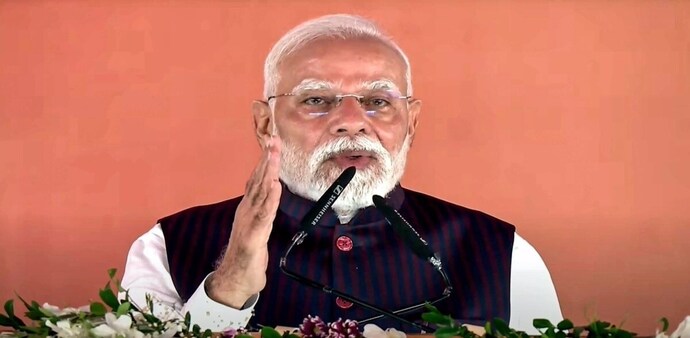
Prime Minister Narendra Modi on February 15 said his government’s reform push has delivered tangible benefits to ordinary citizens, outlining continued structural reforms, deeper innovation and simpler governance as the three key priorities for the next decade.
In an interview to PTI, Modi described the government’s reform trajectory as a “Reform Express” that has moved beyond incremental policy changes to what he called a broader systemic transformation.
“Our direction is clear,” Modi said, stressing that reforms would not be confined to a fixed number but guided by long-term national priorities. “First, we will continue structural reforms that improve competitiveness and productivity. Second, we will deepen innovation in technology, manufacturing and services. Third, we will simplify governance further so that citizens and businesses can operate with greater ease and trust.”
‘Constructive restlessness’ drives reform agenda
Asked whether he was satisfied with the progress achieved so far, the prime minister said he remains driven by what he termed a “constructive restlessness.”
“I am never fully satisfied. Public life demands a constant urge to do more, to improve faster, to serve better,” he said, adding that the government remains focused on achieving more for citizens and accelerating national development.
Reforms benefiting citizens, MSMEs and infrastructure
PM Modi asserted that reforms have directly benefited common citizens by reducing the role of intermediaries, improving connectivity through infrastructure expansion and lowering logistics costs.
He emphasised that reforms should not be viewed solely through an economic lens, noting that social-sector initiatives are equally significant.
Programmes such as the Aspirational Districts and Aspirational Blocks initiatives, he said, have helped transform regions previously considered underdeveloped, while the PM-JANMAN scheme focuses on particularly vulnerable tribal communities.
GST, FDI & legal changes highlighted
Citing examples of policy measures, Modi pointed to the Goods and Services Tax (GST) reform and changes in the definition of small companies as steps that have reduced compliance burdens for households and micro, small and medium enterprises (MSMEs).
He also highlighted foreign direct investment reforms, including permitting 100% FDI in insurance, saying these moves have expanded consumer choice, particularly for the middle class.
According to Modi, the government has scrapped several outdated laws and created dedicated ministries for sectors such as skill development, fisheries, cooperatives and AYUSH, enabling more focused policymaking.
Labour, digital & startup ecosystem reforms
The prime minister said long-pending labour reforms were initiated under his government to balance worker protections with business growth.
He credited India’s rise as a global digital leader to reforms in how citizens transact, especially through the Unified Payments Interface (UPI), which has transformed everyday financial activity.
“For our youngsters, reforms have created an ecosystem where aspiration is supported by opportunity,” Modi said, noting that India has emerged as one of the world’s leading startup ecosystems.
MSME support & global integration
The Prime Minister added that reforms have improved MSMEs’ access to credit, simplified taxation and strengthened their integration into global value chains. The government has also raised investment and turnover limits to allow growing enterprises to retain policy benefits as they scale.
“Reform is the commitment of this government,” he said. “We have moved from incremental adjustments to systemic transformation.”
Prime Minister Narendra Modi on February 15 said his government’s reform push has delivered tangible benefits to ordinary citizens, outlining continued structural reforms, deeper innovation and simpler governance as the three key priorities for the next decade.
In an interview to PTI, Modi described the government’s reform trajectory as a “Reform Express” that has moved beyond incremental policy changes to what he called a broader systemic transformation.
“Our direction is clear,” Modi said, stressing that reforms would not be confined to a fixed number but guided by long-term national priorities. “First, we will continue structural reforms that improve competitiveness and productivity. Second, we will deepen innovation in technology, manufacturing and services. Third, we will simplify governance further so that citizens and businesses can operate with greater ease and trust.”
‘Constructive restlessness’ drives reform agenda
Asked whether he was satisfied with the progress achieved so far, the prime minister said he remains driven by what he termed a “constructive restlessness.”
“I am never fully satisfied. Public life demands a constant urge to do more, to improve faster, to serve better,” he said, adding that the government remains focused on achieving more for citizens and accelerating national development.
Reforms benefiting citizens, MSMEs and infrastructure
PM Modi asserted that reforms have directly benefited common citizens by reducing the role of intermediaries, improving connectivity through infrastructure expansion and lowering logistics costs.
He emphasised that reforms should not be viewed solely through an economic lens, noting that social-sector initiatives are equally significant.
Programmes such as the Aspirational Districts and Aspirational Blocks initiatives, he said, have helped transform regions previously considered underdeveloped, while the PM-JANMAN scheme focuses on particularly vulnerable tribal communities.
GST, FDI & legal changes highlighted
Citing examples of policy measures, Modi pointed to the Goods and Services Tax (GST) reform and changes in the definition of small companies as steps that have reduced compliance burdens for households and micro, small and medium enterprises (MSMEs).
He also highlighted foreign direct investment reforms, including permitting 100% FDI in insurance, saying these moves have expanded consumer choice, particularly for the middle class.
According to Modi, the government has scrapped several outdated laws and created dedicated ministries for sectors such as skill development, fisheries, cooperatives and AYUSH, enabling more focused policymaking.
Labour, digital & startup ecosystem reforms
The prime minister said long-pending labour reforms were initiated under his government to balance worker protections with business growth.
He credited India’s rise as a global digital leader to reforms in how citizens transact, especially through the Unified Payments Interface (UPI), which has transformed everyday financial activity.
“For our youngsters, reforms have created an ecosystem where aspiration is supported by opportunity,” Modi said, noting that India has emerged as one of the world’s leading startup ecosystems.
MSME support & global integration
The Prime Minister added that reforms have improved MSMEs’ access to credit, simplified taxation and strengthened their integration into global value chains. The government has also raised investment and turnover limits to allow growing enterprises to retain policy benefits as they scale.
“Reform is the commitment of this government,” he said. “We have moved from incremental adjustments to systemic transformation.”